Traditional cover-up tattoos range from a single panther head to a full Japanese sleeve, and the deciding factor is how much old ink you are working with and where it sits on your body.
I have watched artists propose combining elements I would never have put together, a ship’s rigging threaded through flowers, a snake’s body becoming a wave’s curve.
[link-whisper-related-posts]1. Flowers Cover-Up Tattoo
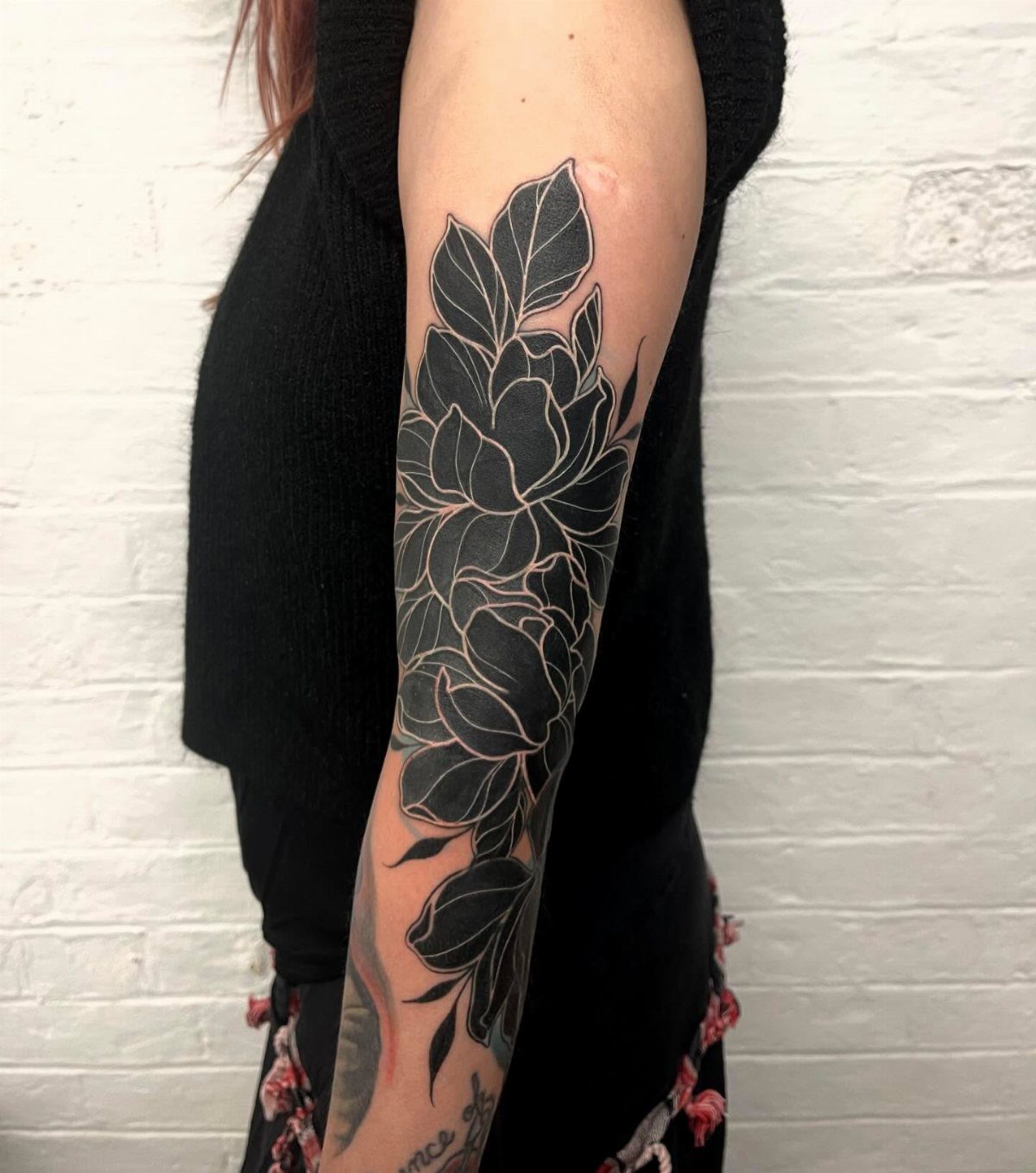
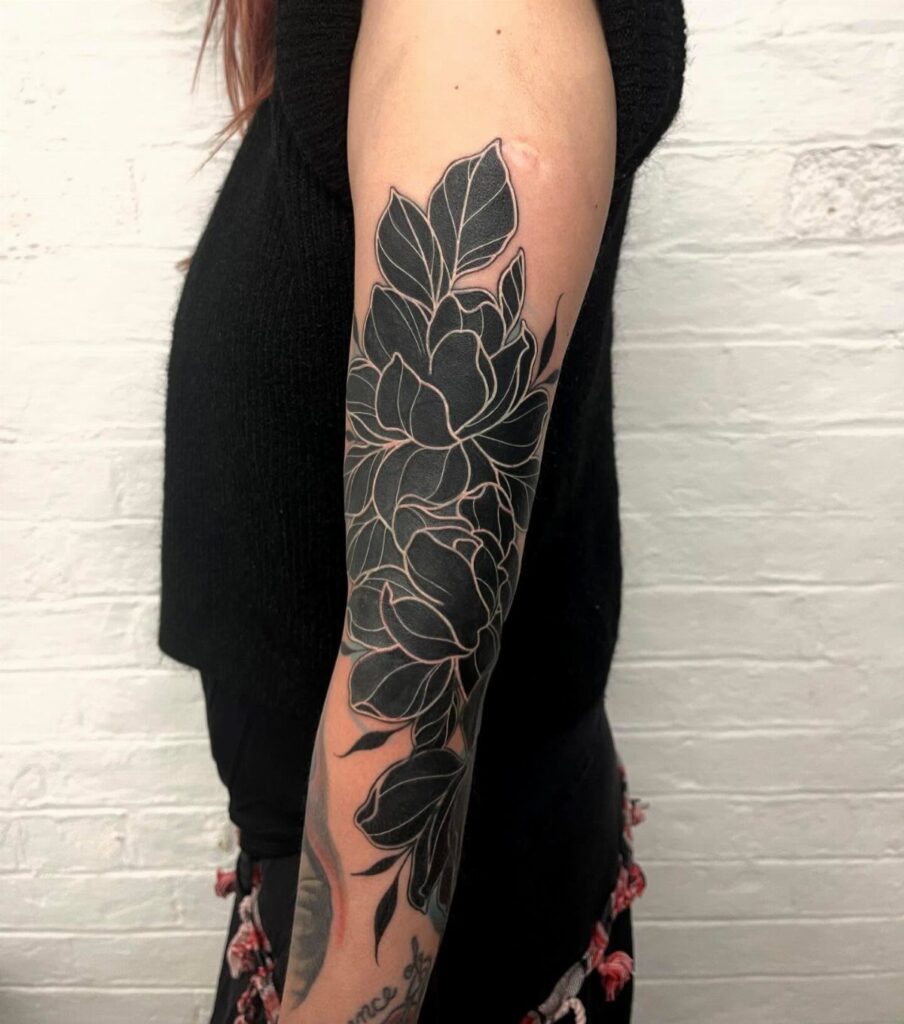
Petals overlap.
Leaves taper. Stems create direction.
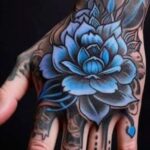
Roses, peonies, chrysanthemums, and lotus flowers work well over names, small symbols, faded script, and lighter tattoos.
Faded original ink gives you more room to work with because weaker pigment blends into the new design without fighting back.
Flowers bend to fit almost any old shape, and the finished piece reads as a single image instead of a patch slapped on top.

Strong Coverage: This tattoo cover up provides strong coverage for tattoos, blemishes, scars, birthmarks, and burn marks. It helps create a smoother, more even-looking skin tone with a natural finish.

【Barely-There Comfort】0.02mm ultra-thin material feels like second skin. Breathable fabric prevents itching during long-term wear - forget bulky bandages or cakey makeup discomfort.
2. Snakes
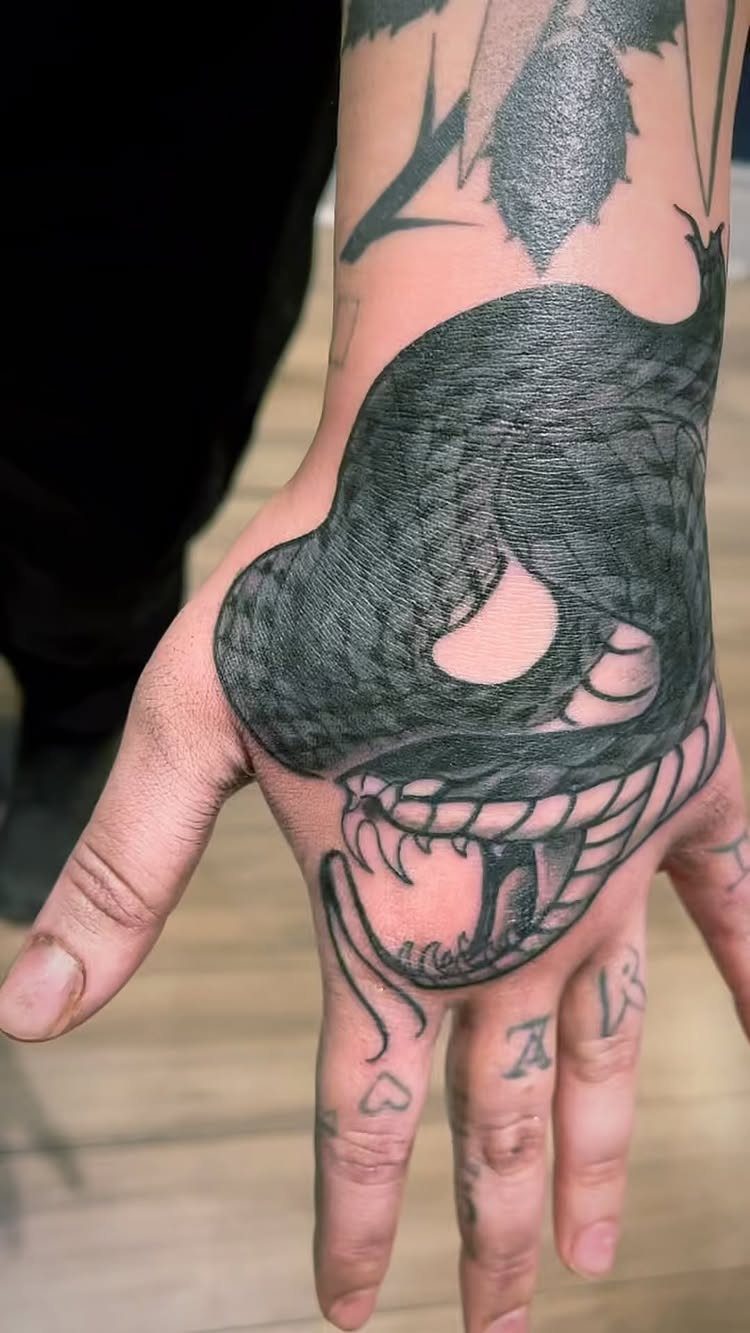
A snake coils, twists, and bends to follow whatever the body throws at it.
Scales help break up old lettering. The body curves around awkward spots, and you can stack flowers, skulls, or Japanese elements on top for a fuller sleeve.

【Powerful Coverage】: This tattoo cover-up is your se-cret weapon! It effortlessly conceals tattoos, scars, birthmarks, stretch marks, and more. Whether you're at a wedding, meeting, or working out, it boosts your confidence. No complicated process, just perfect skin in an instant, ready for any occasion.

Temporary Tattoo Sticker

Package:You will get 4 Sheets snake tattoo stickers for Halloween medusa cosplay costume
3. Traditional Ship Sleeve
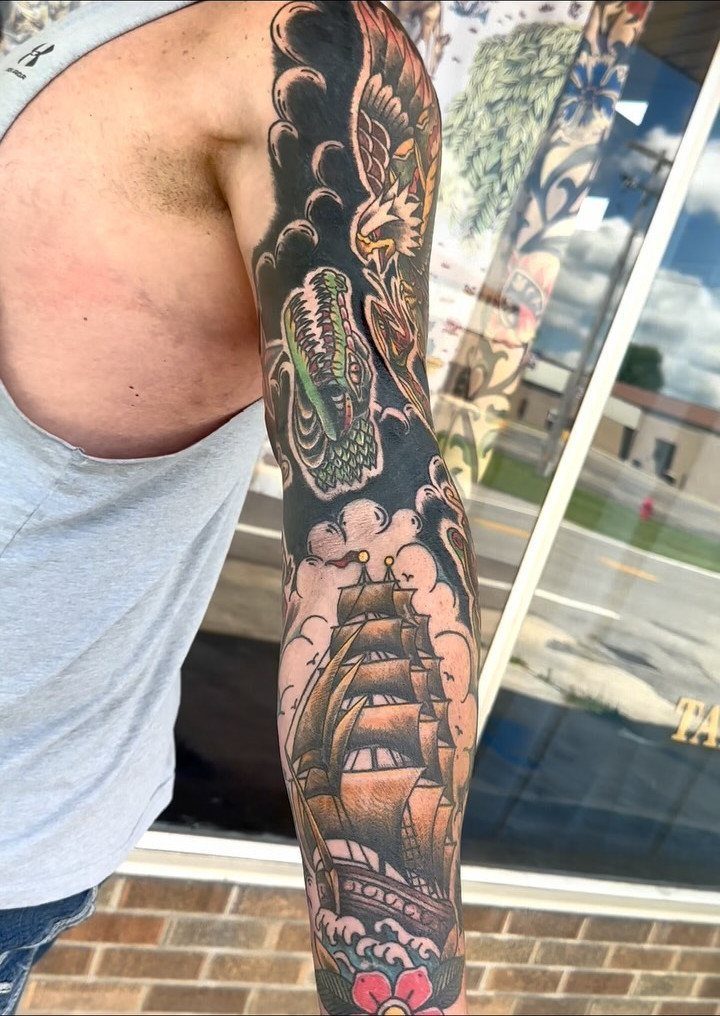
A traditional ship sleeve uses heavy black background shading and bold outlines to build a complete arm piece. The sailing ship anchors the forearm while supporting imagery, an eagle, or other American traditional elements fill the surrounding space.
This approach works best when the old tattoo is light enough to disappear under solid color and black fill, or when the artist can incorporate existing dark areas into waves, clouds, or the ship’s hull itself.
The bold style reads clearly from a distance and ages well because the heavy lines hold their shape over time.
Commit to the full sleeve, though. A ship isolated on a forearm with untouched old ink beside it looks like exactly what it is.

Looks Real and Seamless -- 92% nylon and 8% spandex,stretchable fabric material,These arm tattoo sleeves is easy slip on and off,you can feel comfortable and soft whenever you wear it. Reasonable price with great quality.

One Size Fits Most People, Measurement is approximately 15.4 inch long by 3.2 inch wide when not stretched. Unless you have really huge arms, these should fit comfortably because they are stretchable.

4. Bold Blackwork Bird
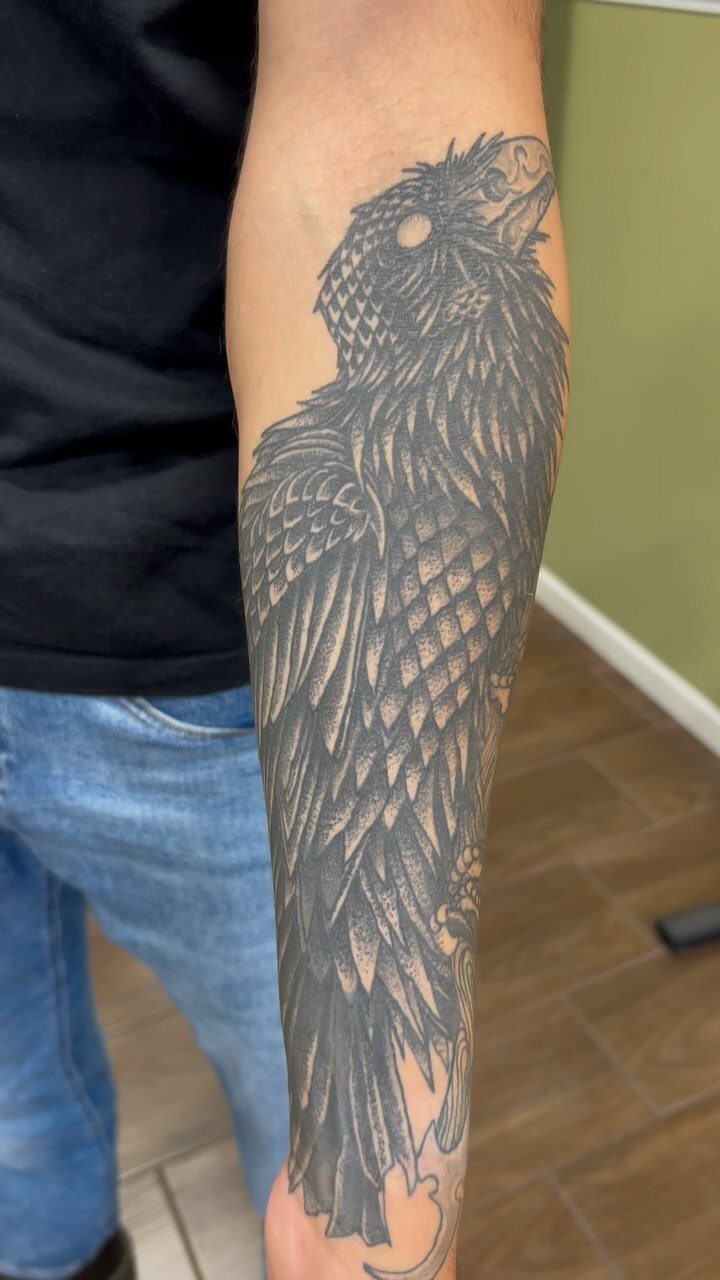
Dense feather shading turns a forearm into a solid blackwork piece. A raven or crow uses natural patterns, bold shapes, and heavy contrast to cover dark or complicated old tattoos that softer designs cannot hide.
Blackwork does not try to cover black with weak color. Going darker and heavier locks you in; future cover-up options shrink once you commit to this much black.
It can look powerful, clean, and intentional. Choose it with a clear head, not panic.

Made from the highest quality Oracal 651 Vinyl


5. Traditional Swallow Tattoos
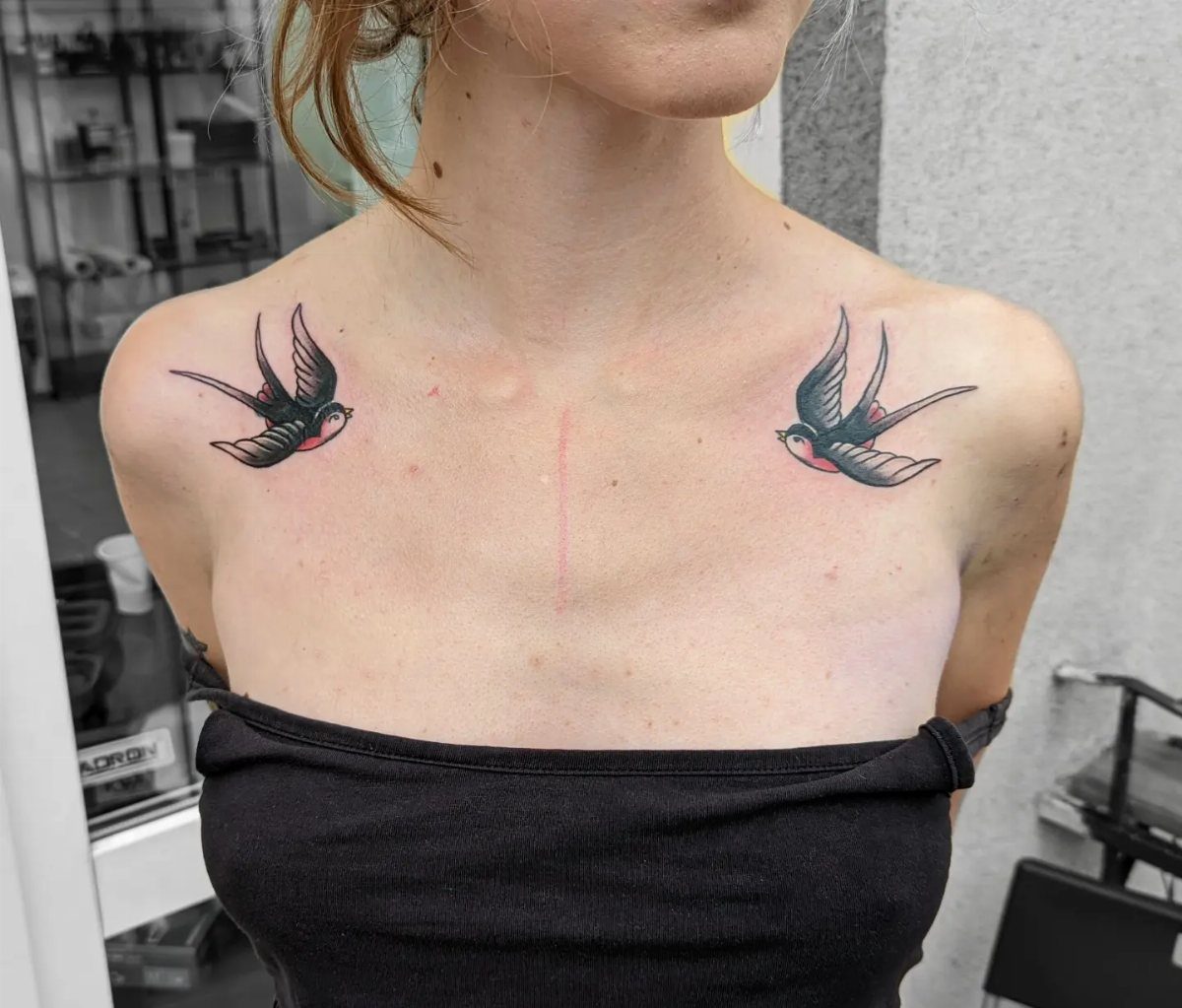
2 swallows placed across the collarbones read as a matched pair, a classic American traditional placement that draws the eye upward and balances the chest.
This works best when the old tattoo sits small and central enough that the birds’ bodies and spread wings can frame or overlap it.
The bold black, grey, and red ink provides coverage without the weight of a single large dark shape.
Check that your artist can mirror the design closely enough; mismatched swallows defeat the purpose of the symmetrical placement. Also consider collarbone pain levels and healing, since this area moves with every breath and shirt change.

REALISTIC SWALLOW STYLE ART: Ultra-fine printing with plant-derived gardenia ink creates bold, lifelike swallow style tattoos with detailed designs that mimic real ink. Our semi-permanent formula sits subtly under the skin for authentic body art applied w

DYNAMIC FLYING SWALLOW ART: Features a bold, detailed pair of soaring swallows capturing striking realistic depth and movement. This classic maritime and freedom-inspired motif is crafted using a digital hand-drawn fine line tattoo ensures crisp lines and flawless gradient shading to deliver intense black ink fills, intricate wing feather textures.
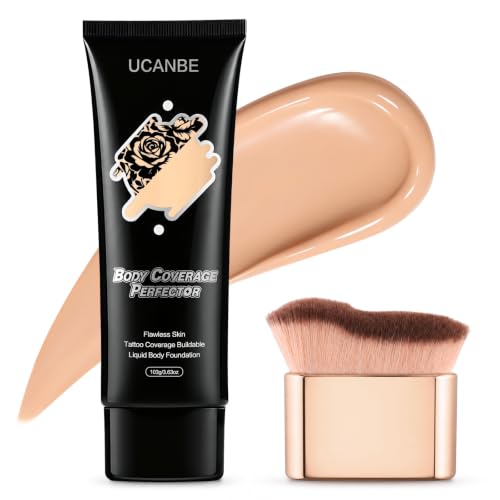
Buildable Full Coverage, Conceals Tattoos, Scars & Birthmarks Naturally - Achieve seamless full coverage to hide dark tattoos, surgical scars, birthmarks and uneven skin tone. This concealer blends flawlessly with your natural skin tone without gray, artificial mask-like finish. It supports layered application for deeper coverage—simply wait each thin coat fully dry before reapplication, zero cakey or patchy texture.
6. Traditional Japanese Sleeve Tattoo
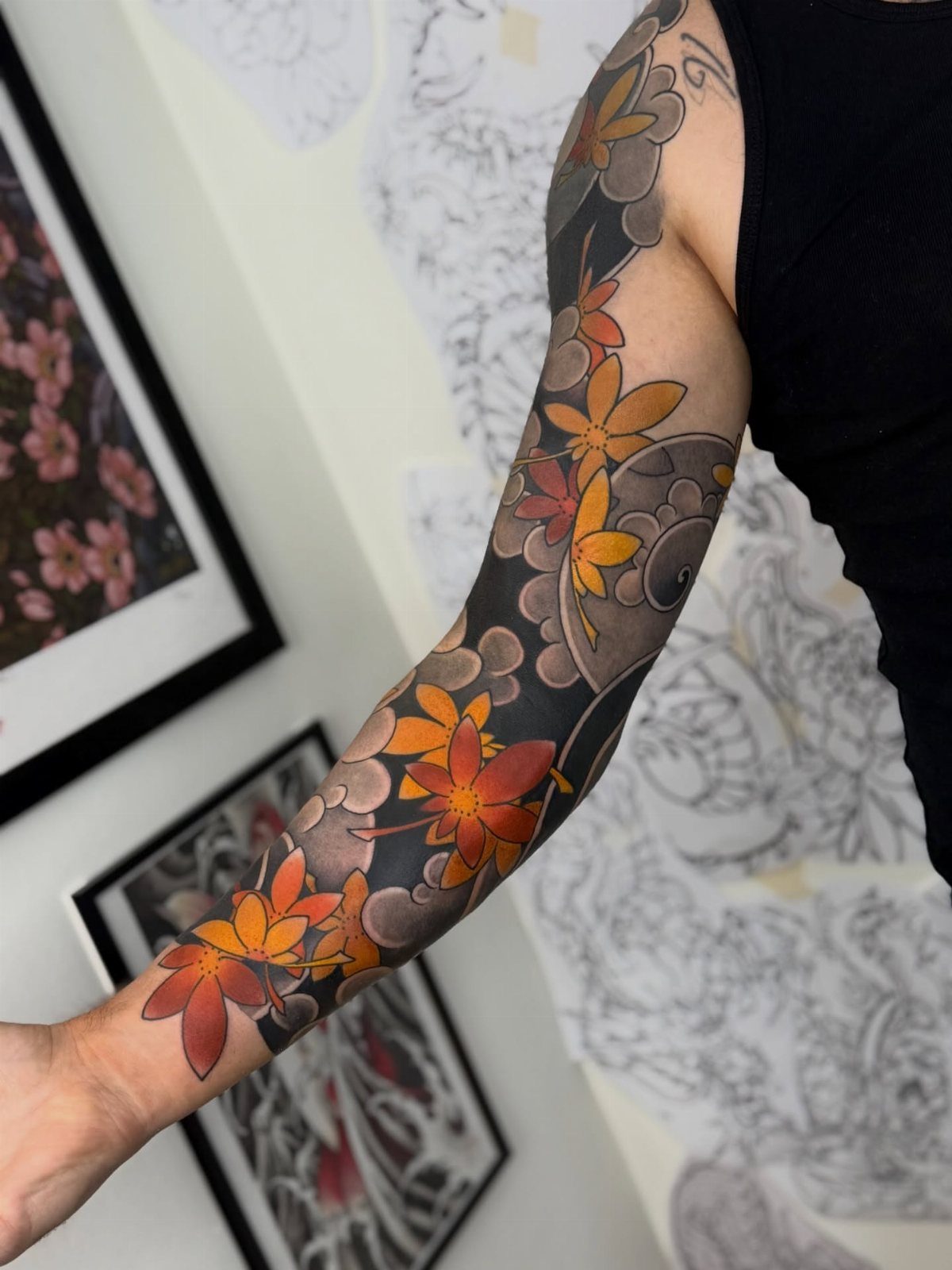
Dark swirling clouds and wind bars create a background that can absorb older tattoos underneath. Maple leaves, peonies, or other bright elements sit on top in orange, yellow, and red, giving the eye somewhere to rest besides the covered areas.
Japanese sleeves work because the composition flows. Dragons, koi, waves, and traditional background elements are arranged across the arm so no single spot demands attention.
The bold outlines and strong shading hold up over years, and the large scale means the artist has room to work around or over existing ink.
This is a full-commitment choice. A Japanese sleeve needs to be planned as one piece, not assembled image by image.

【Waterproof & Sweatproof Armor】Swim, workout, or dance worry-free! Our waterproof tattoo cover up makeup withstands pools, gym sessions and tropical humidity. Stays firmly placed through tears of joy and surprise rainstorms.

【Package】: 2 Piece outfits include 1 Piece cardigan and 1 Piece pants,Tank top is not included

【Waterproof and Durable】These tattoo cover-ups are designed with advanced adhesive technology, ensuring a secure fit even in the shower, during exercise, or during everyday activities.
7. Black and Grey Panther Tattoo
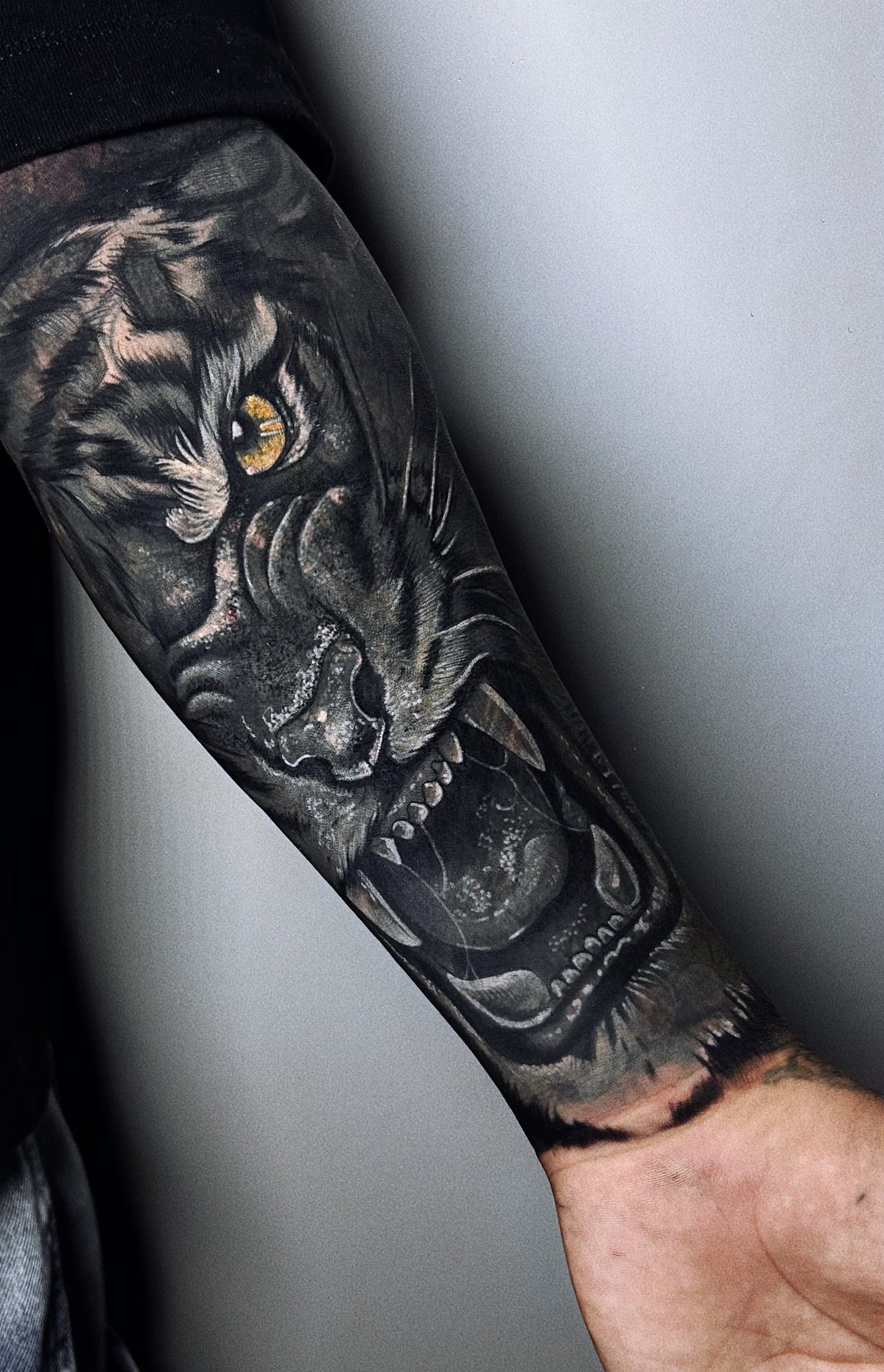
A panther’s face maps naturally onto a forearm because the muzzle, brow, and jawline follow the bone structure underneath.
Dense black and grey shading does the actual covering.
Deep shadows swallow old pigment while lighter grey gradients create the fur texture and muscle shape. A single bright point, like a yellow eye, pulls attention away from whatever sits beneath the dark surrounding areas.
This works best when the old tattoo sits in the center of the forearm where the panther’s face lands. Heavy black patches in the original ink become part of the panther’s natural shadows instead of problems to fight.
Commit to the full coverage.

🎃[10 Sheets Long Lasting Temporary Tattoos Snake] There are 10 Sheets Large Snake Temporary Tattoos For Men Women Kids Children Adults,You Can See Different Designs Including Black Rose Flower Sword Cobra Mamba Viper Serpent Skull Snake Tattoos Snakes.

【Fit & Comfort】Designed for a slim-to-standard build, with a flexible fit that works best for average-sized legs. They are not recommended for very large limbs or frames, as over-stretching may affect comfort, patterns can also stretch and deform, affecting visual effects

【Develops Fully in 48H】Your tattoo will initially appear silver before naturally darkening to a rich finish within 48 hours. For optimal results, avoid contact with bare skin (particularly the face) and cover the area with clothing during sleep to prevent transfer.
8. Traditional Japanese Koi Fish Tattoo
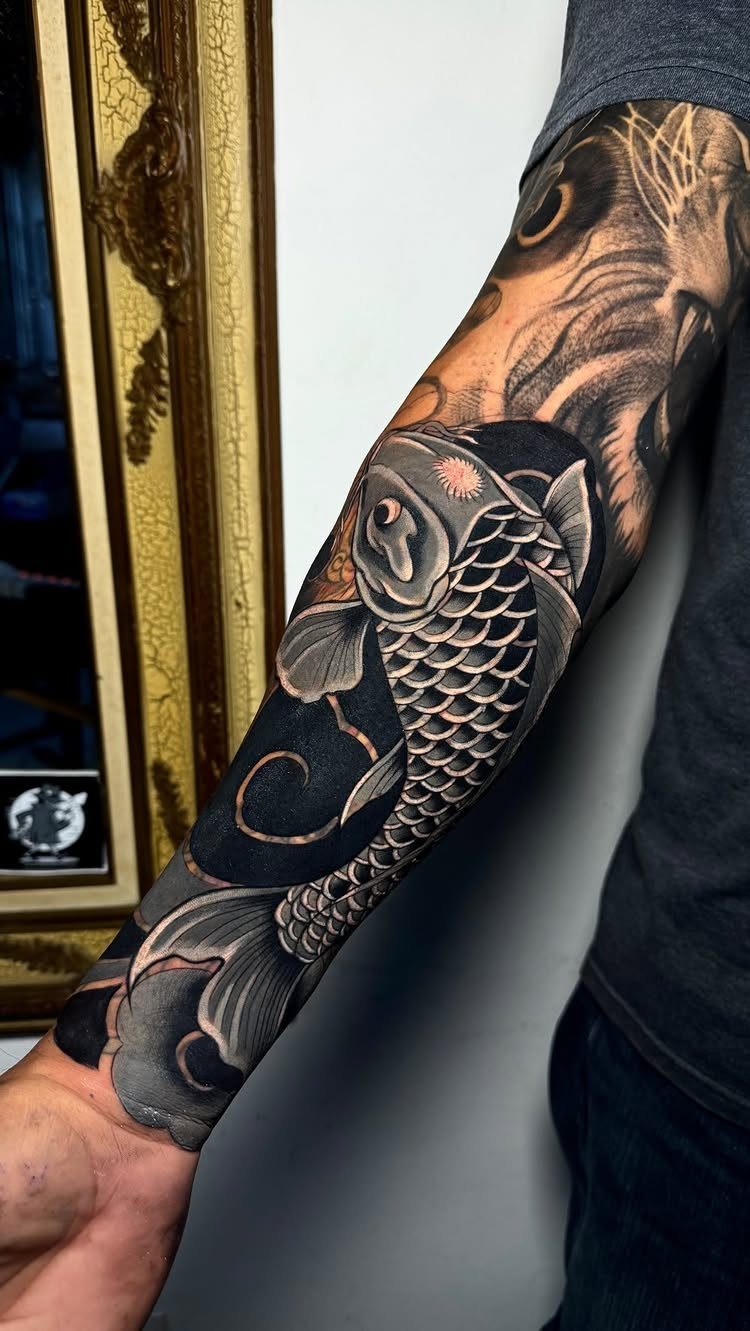
Koi fish swim upward. That motion gives the arm direction old tattoos often lack.
Dark water and swirling background fill the spaces around the fish, turning scattered or irregular old ink into part of a flowing composition.
The koi’s scales and fins add texture where the eye needs somewhere to land besides the covered areas.
Black and grey keeps the focus on line work and movement. Monochrome shading already provides plenty of coverage on its own before you add any color at all.
This suits arms better than smaller spots.
The fish needs room to curve, and the water needs space to flow around it. A koi crammed into a too-small area loses the motion that makes the cover-up convincing.
Plan the full sleeve or at least the full forearm. Water fragments without connection to a larger piece read as filler.

Swallow Birds Sailing Ship Distressed Vintage American Traditional Tattoo Flash Graphic.

77 sheets american traditional temporary tattoos,17pieces 7.48*3.74 and 60pieces 3.85*2.28,including sailor,anchor,snake,eagle,sailboat,sailor, pentagram,lighthouse,heart,swallow,flower,vintage roses,swallows,demon,butterflies,sword,skull,eagle,scorpion

[LARGE QUANTITY] There are 2 different size temporary tattoos with a large amount. Large size flower tattoo stickers size is 7.48 * 3.74 inch (19 * 9 .5cm) 17 sheets, small lovely tattoos‘ size is 3.9 * 2.3 inch (9.8 * 5.8cm) 60 sheets. Share and enjoy it with your family and friends
9. Traditional Tiger Head
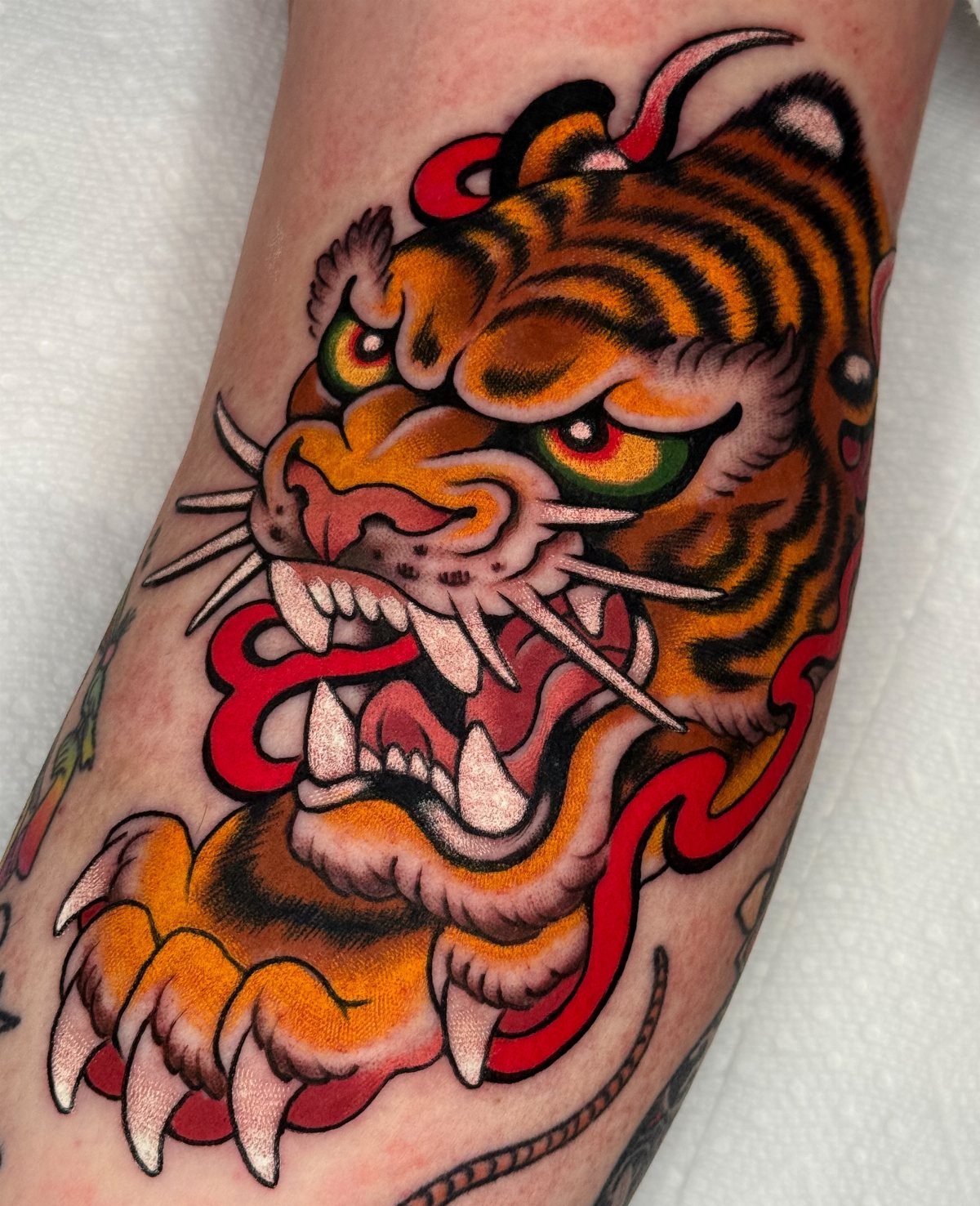
Stripes do the work. Orange and black bands break the eye’s path across old lines and shapes underneath.
A tiger head centers on the upper arm or forearm where the face fills the space without distortion.
The open jaw and bared teeth create natural dark areas that absorb heavier old ink, while the orange stripes pull attention to the surface pattern.
Flowers, leaves, or smoke built outward from the head turn a single isolated piece into a complete sleeve. A full sleeve gives the artist more room to work around existing pigment.
Meaning can ride along with coverage. A tiger aging from cub to adult fits the cover-up narrative without forcing it.
Check that your artist understands traditional color saturation. Faded orange eventually reads as pink, so plan the palette knowing where those bright tones will settle.

Deep raven black tattoo ink with a high pigment load that fills solid lines crisp and heals true dense coverage from the first pass without overworking the skin every single time without exception session after session
Made from the highest quality Oracal 651 Vinyl

10. Traditional Snarling Wolf Head
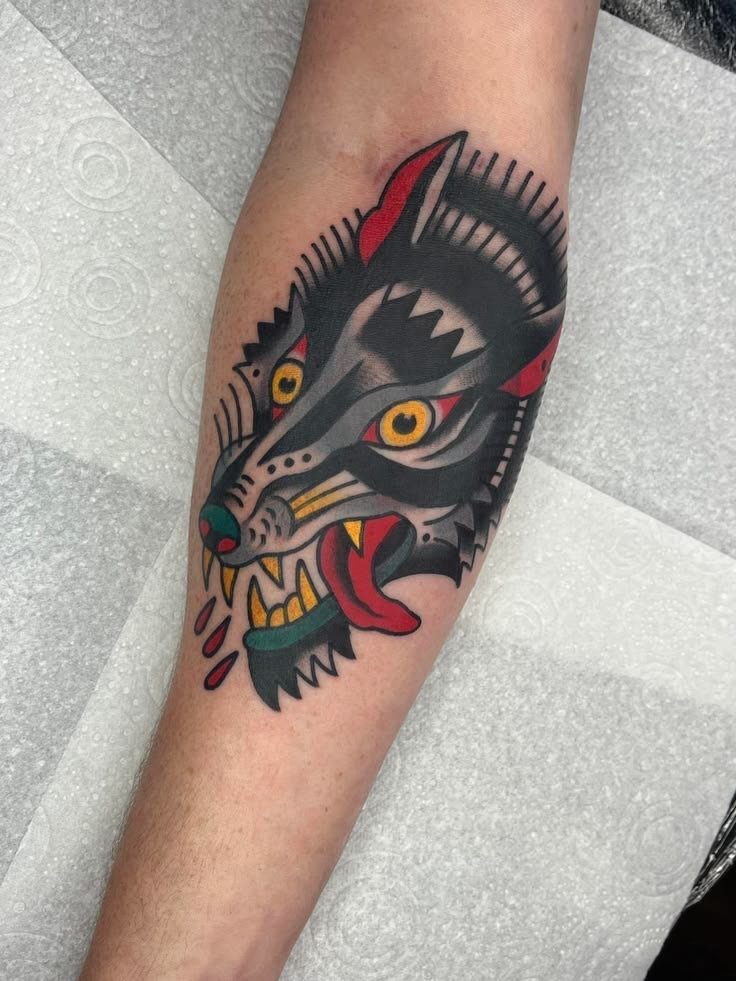
Fur texture hides a lot. The mane’s jagged edges and the muzzle’s shadowed planes create natural breaks where old lines disappear.
Bold black outlines lock the shape in place, while red and yellow accents give the eye color to follow instead of whatever sits underneath.
The snarl shows teeth and open mouth, dark spaces that swallow dense old ink without fighting it.
Let the ears, mane, and jawline wrap around the original tattoo’s shape rather than centering the head directly over it. A wolf dropped straight on top of a square old piece looks like a sticker.
This fits shoulders, upper arms, and calves where the head fills the curve of the muscle. Flat areas like the center of the forearm hold the muzzle shape without the distortion you’d get over joints or bone ridges.
Wolves carry less cultural baggage than some traditional animals. Choose it because the shape solves your cover-up problem, not for the symbolism.

VINTAGE SAILOR SWALLOW PAIR: Features a classic American traditional pair of soaring swallows, symbolizing freedom, voyage, and timeless return. This bold nautical design showcases a mirrored pair of flying birds with dynamic wing spans, split-tail silhouettes, bold feather textures, and authentic old-school sailor aesthetics.

Flawless Concealer for Full Coverage: This cream concealer delivers concealer full coverage that hides everything from stretch marks and scars to tattoos and bruises. Its rich, blendable texture provides the best tattoo cover up makeup results while feeling light and comfortable on the skin. Whether you’re looking for bruise cover up makeup or scar cover up makeup waterproof protection, this concealer makeup ensures smooth, natural-looking results that stay put all day.

【Natural & Breathable】The tattoo concealer patch is made of breathable, high-quality material,can let your skin breathe freely, refuse to be tight and stuffy,they have mild properties that do not irritate the skin and keep the application area dry.
Consultation Preparation
I bring reference images on my phone of styles that catch my eye, then listen when the artist points out something I had not considered.
An experienced cover-up artist often sees ways to use the old tattoo’s shape that would not occur to someone staring at the problem daily.
I have watched artists propose combining elements I would never have put together, a ship’s rigging threaded through flowers, a snake’s body becoming a wave’s curve.
The clearer you are about what you actually want to live with, the more useful their input becomes. Do not walk in expecting them to read your mind.
Professional Assessment
Only an artist who has done cover-ups regularly can judge whether your old ink will disappear under a given approach.
Photos sent by email help, but skin in person tells a different story. Faded grey ink behaves differently from dense black; a name written long enough ago sits at a different depth than one still settling in.
I have had artists tell me a design I wanted was technically possible, then show me exactly where the old lines would ghost through.
That honesty kept me from walking out with a piece that would have looked patched before it ever settled.
Ask specifically what they see happening at the edges, where new pigment meets old. That edge between old tattoo and new skin is where cover-ups live or die.
Healing and Aftercare
Cover-ups use more ink and more passes over the same skin than a fresh tattoo.
That means heavier plasma, longer weeping, and a thicker scab phase. Moisturize more often than you think necessary, thin layers every few hours, and keep clothing loose enough that fabric does not stick and pull.
Sun is the enemy you cannot negotiate with. Plan your timing so the healing weeks fall in a season you can keep the area covered, or commit to SPF 50 and physical blocking.
A cover-up that heals poorly lets the original ink creep back to visibility. The work is already hard; do not make it harder by rushing back to the beach.
Frequently Asked Questions
Is it more painful to get a cover-up tattoo?
A cover-up can hurt more, especially if the old tattoo left scarred skin. The sessions also run longer because the artist works more ink through the same area, sometimes with multiple passes.
Cover-up work usually weeps heavier plasma and forms thicker scabs than fresh ink, which tells me the skin is taking more abuse. Plan for longer sits and more aftercare attention than your first tattoo needed.
What is the cover for a tattoo called?
It is called a cover-up tattoo, or simply a cover-up.
The artist does not just place a new image on top; they use darker shading, bolder outlines, and the natural dark areas of the new design to make the old ink disappear into the composition.
A good cover-up reads as one intentional piece instead of a patch hiding a mistake.
What makeup is best for covering up tattoos?
Permanent tattoo cover-ups are a different subject from makeup that hides ink for a night out.
For concealing a tattoo temporarily with cosmetics, you would need a heavy-coverage stage or theatrical foundation matched to your skin, set with powder and sealant. That question sits outside what this page covers.