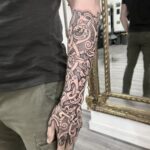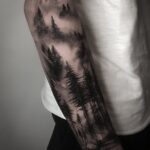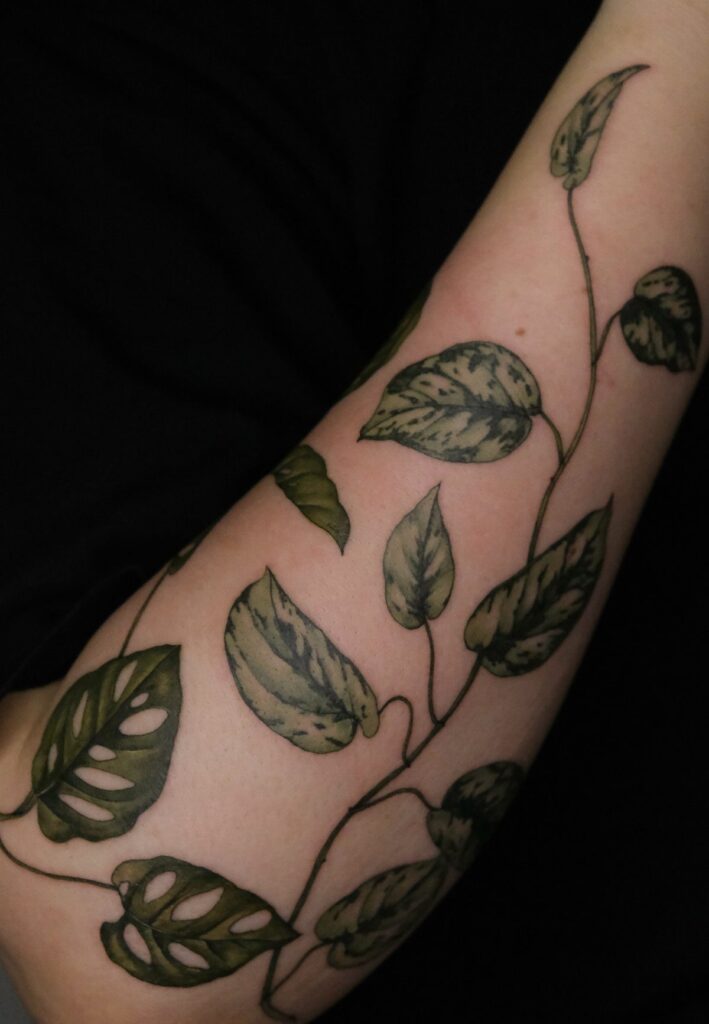
Nature tattoos on this list run from a single-needle fern at wrist scale to full sleeve ocean color that demands multiple sessions and months of healing.
The deciding factor is how much of your own story the piece needs to carry: bare branches for a season survived, a single wave for motion, a waxing moon for growth beginning.
A single wave on the ankle curves around bone in a way flat flash never can, but that spot also adds a week to healing from constant motion and shoe contact.
[link-whisper-related-posts]1. Wolf Animal Tattoo
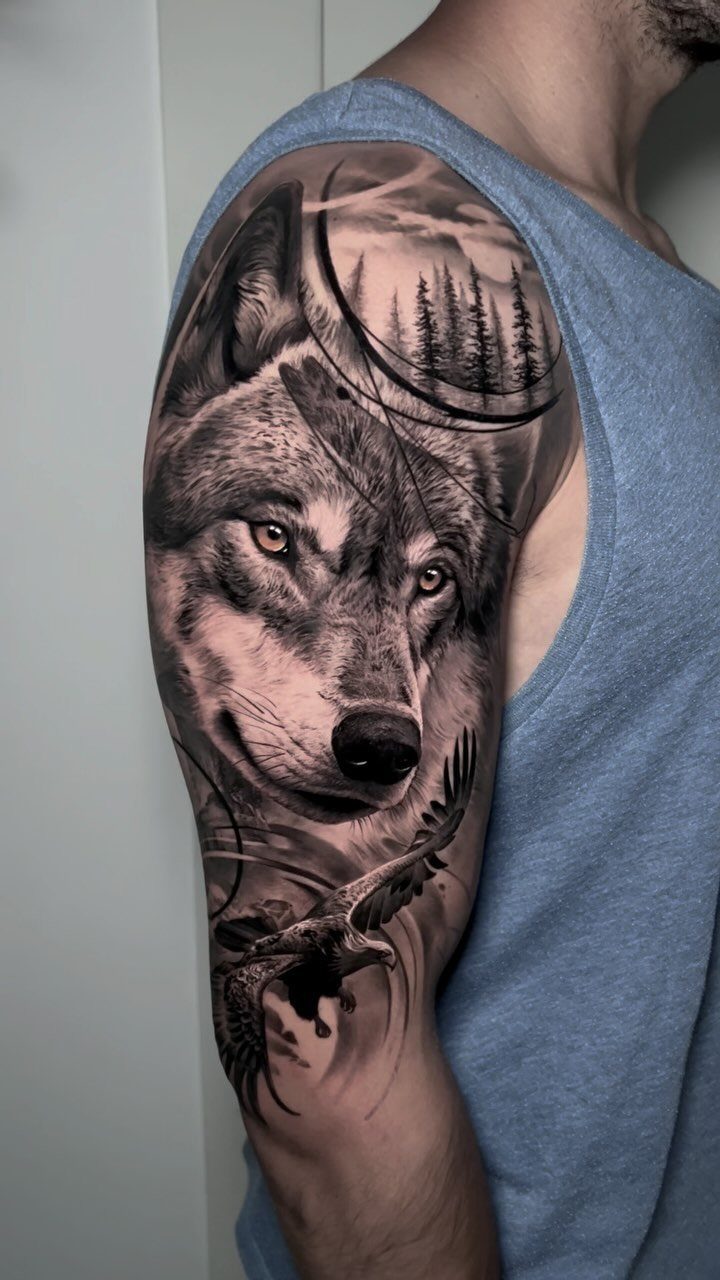
A wolf tattoo carries weight differently than most animal ink.
Wolf paired with pine forest and eagle layers meaning: wolf for loyalty, eagle for vision, the forest for grounding. That combination reads as biography, not decoration.
I like this approach for someone who wants their first large piece.
The black-and-grey realism keeps it readable at distance and ages cleaner than heavy color. Pain sits moderate on the upper arm, cost runs higher with this much detail and 3 elements to render.
Ask your artist how they handle fur texture over time. Solid black packs fade to blue-grey; planned negative space for highlights saves the definition.

34 Animal & Totem Designs – 6 jumbo A4 sheets featuring tigers, wolves, and tribal totems for bold, professional-looking body art.

32 Bold Animal Tribal Patterns – 4 large A4 sheets featuring Dragons, Wolves, Scorpions, Lions, and more, for a strong, edgy look with professional-quality stencils.

Striking Wolf Design – Intricate black-and-white sketch-style wolf art featuring close-up heads with piercing eyes, natural fern accents, and full-body running wolves. Captures raw power, speed, and untamed spirit.
2. Wildflowers Floral Tattoo
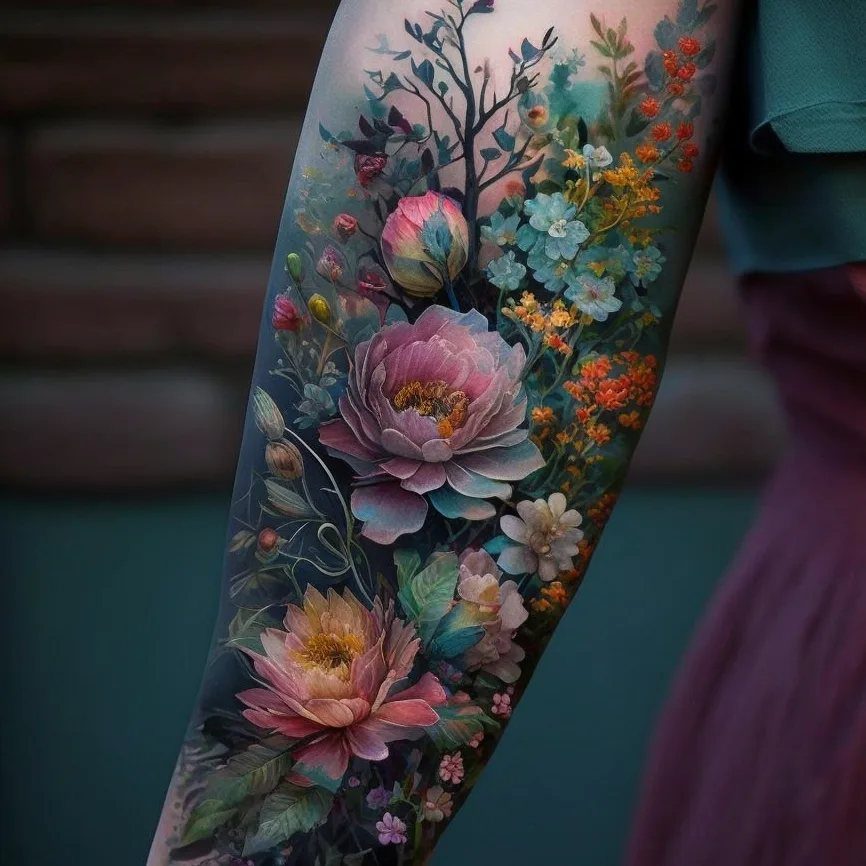
Wildflowers thrive where they shouldn’t, which is exactly why this design lands hard with people who have survived something.
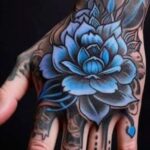
Peonies and blue blooms work at sleeve scale, but a single stem on a wrist or rib carries the same meaning quieter.
A lotus bud works for rebirth after difficulty. A marigold marks remembrance.
A sunflower mini fits the inner forearm and still reads "choosing light" years out. I would pick lavender for calm or a fern for endurance, something that matches the specific season I’m in.
Color saturation matters more than size here. Wildflowers need that vibrancy to register as living, not dead.

EAGLE TEMPORARY TATTOOS: Set of 100 mini temporary tattoos featuring team spirit designs including paw prints, footballs, foam fingers, and sports equipment in various colors. Select your design - tattoos measure approx 1" each and are printed 4 on sheet, 25 sheets in a pack.

Package Includes: 4 safari jungle animals temporary tattoo sheets; Total 140 tattoos in 140 different designs

Package Includes: 3 zoo animal temporary tattoo sheets, total 60 tattoos in 10 different designs. The sheets measures 7.8” X 9.8”.
3. Crescent Moon
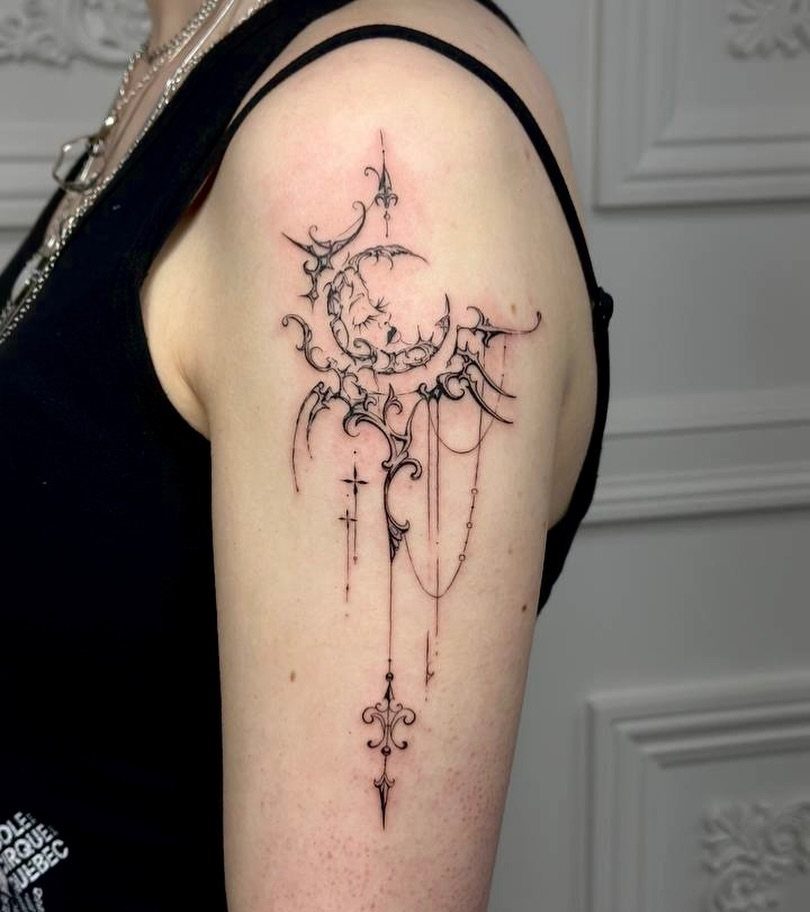
Sleeping face and gothic filigree push this well past basic moon iconography. Ornate treatment suits someone who wants their ink to feel artifactual, like jewelry pressed into skin.
For a simpler take, a clean crescent pairs with stars or a thin floral stem without crowding the shape. The waxing phase specifically signals growth, which is why I see it on people starting chapters rather than closing them.
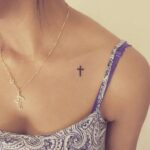
Placement flexibility is the real advantage: tucked behind the ear, or curved along a collarbone, the crescent follows body lines naturally.
Black ink holds; ornamental detail does not. If you want the filigree, plan for touch-ups.

🌸 LARGE 15x12 WILDFLOWER STENCIL — CRISP RESULTS EVERY TIME: Our precision-cut wild flower stencil delivers sharp, paint-bleed-free results on wood, walls, canvas, fabric, fences, and furniture. Made from premium 10mil PET — noticeably thicker and sturdier than standard 7mil stencils — so it lays flat and gives you professional results whether you're a beginner or experienced crafter.

Multi-Surface, Multi-Purpose Craft Stencils: Ideal for painting and decorating on walls, wood, furniture, fabric, paper, metal, glass, tile, and more—great for home decor, classrooms, offices, DIY gifts, and seasonal projects. These versatile botanical stencils are a must-have for every crafter.

**4 Wildflower Stencil Designs**: Includes 4 different wildflower stencils for painting, featuring delicate floral, leaf and plant patterns for DIY crafts, handmade cards, wood signs and home decor projects.
4. Sun Tattoos
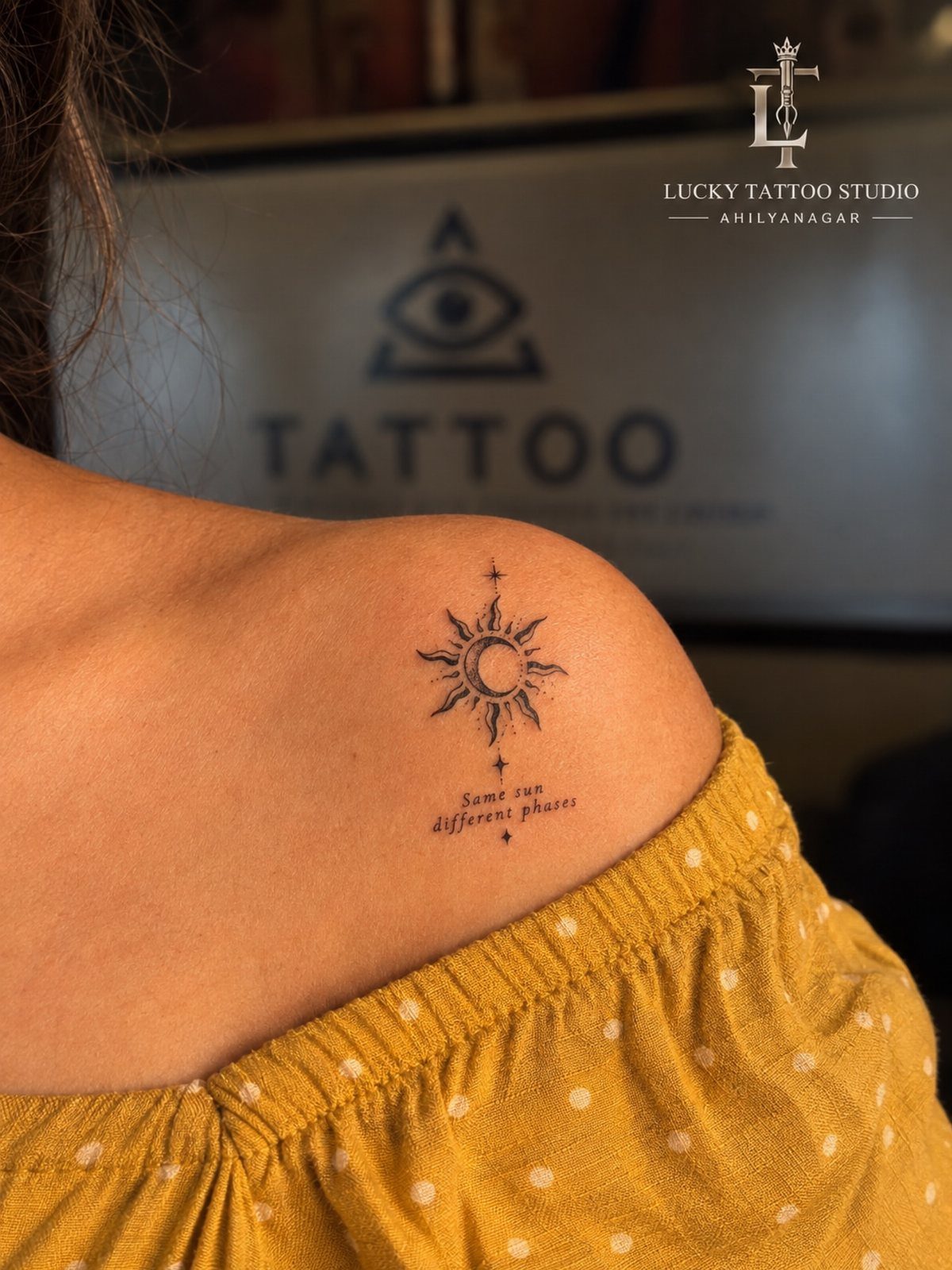
"Same sun different phases" gets at something geometric suns miss: the sun as relationship, not just symbol. A simple circle with rays reads clean and minimalist; Celtic interlacing adds spiritual weight for people who want that depth.
Warm colors carry the energy, but a black fine-line sun ages better on skin that sees sun itself.
I would add a moon or cloud only if the story needs it, not for decoration. Shoulder placement works for visibility control: shown in a tank top, hidden under a shirt sleeve.
Consider how the rays terminate.
Tapered points blur faster than blunt ends. Ask to see healed examples from your artist, not just fresh work.

🐳[200+ PCS 20 Sheets Small Tattoos in One Package!] - Original Brand of TASROI 3D Small Cute Tiny Bulk Hand Finger Temporary Tattoos For Women Men Adults Hand Finger Tattoos Temporary Contains 20 Sheets Water Transfer Cute Small Geometric Arrow Crescent Moon Sun Leaf Dots Chians Jewelry Pendant Tattoos For Finger Hands Ear Neck Tattoo Sticker.

Innovative Skin-Sync Technology: We don't just sit on the skin; we interact with it. By reacting organically with naturally occurring proteins in your skin's outermost layer (stratum corneum), our plant-based formula magically transforms from a transparent guide into a rich, ultra-realistic navy-black. It looks exactly like a healed, permanent tattoo—without the needles or depth.

Waterproof Tattoos: The temporary tattoos are waterproof and can be used for parties, events, or just for fun.
5. Single Wave
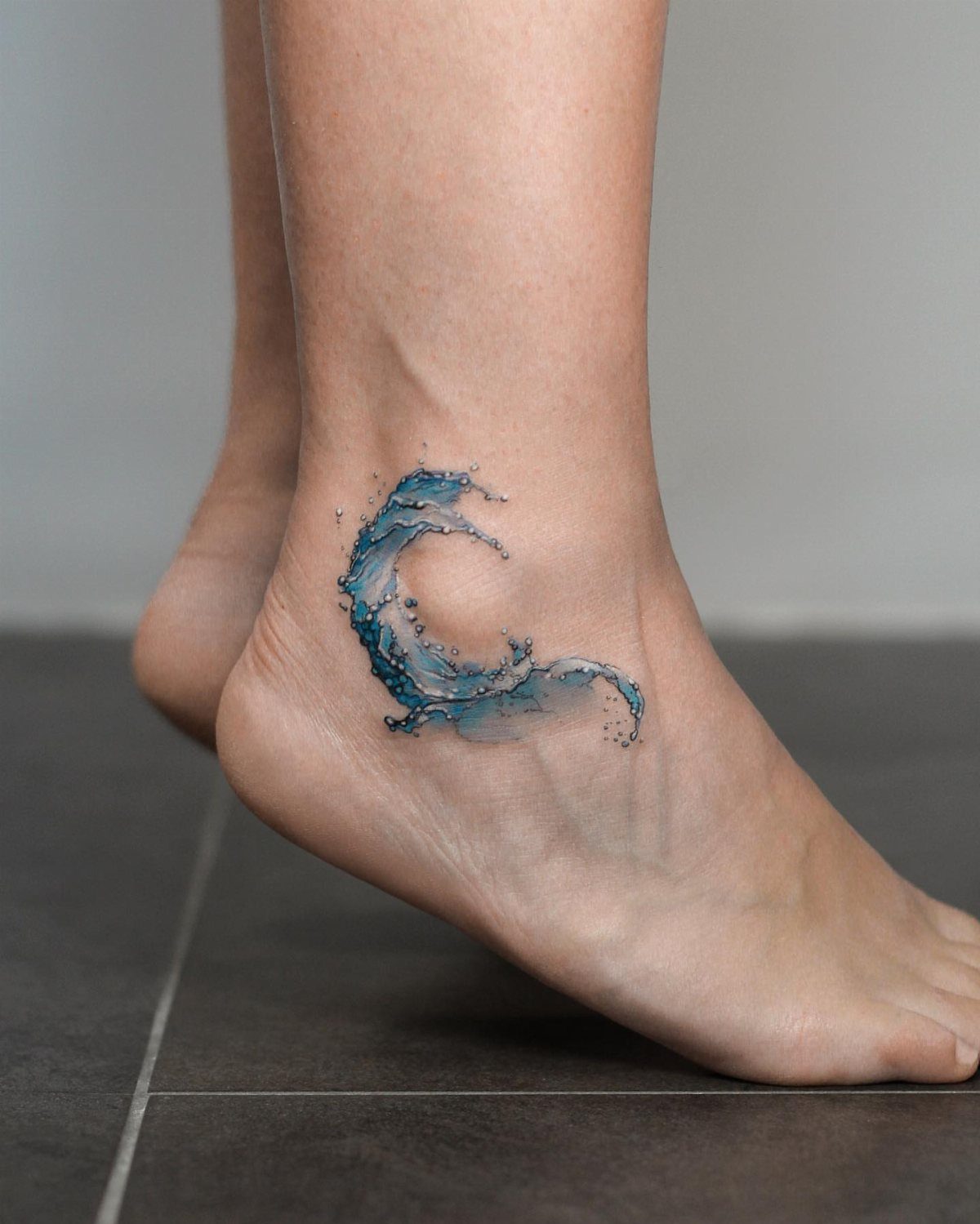
A single wave curves around bone differently than it sits flat on a thigh.
An ankle piece uses that curve, letting the crest break at the ankle bone itself. Watercolor blue keeps it fluid, but a black line version lasts longer with less maintenance.
The meaning here is specific: one wave is resilience, emotional fluency, getting back up. 2 waves shift to partnership and rhythm, a different commitment entirely.
I would choose one wave for a personal milestone, two for a shared one. Wrist or ankle sizing fits without dominating.
Healing on the ankle is slow; the skin moves constantly and rubs against shoes. Budget an extra week before the swelling settles.

Moon Phase Stencil: You will receive 10 pieces of painting stencils which have beautiful patterns in border theme. There are moon phase, mountain, sun patterns on the stencils. Our templates are suitable for you to make small border decoration by yourself.

About the Stencil: You will receive 11 Bohemian Sun Templates in 3 sizes and a plastic paint brush! The stencil is made of high quality PET Plastic with good flexibility, durability, professionally cutting, smooth edges, rounded edges and corners, can serve you for a long time.

SIZE - 4 sheets large gold sun moon star temporary tattoos with beautiful metallic designs, original brand of Briyhose fake tattoos for adults women girl, size is 8.27 * 5.83 inch (21 * 14.8cm) 4 Sheets tatoos kit, used for wrist, arms, half sleeves, forearm, shoulder, back, neck, hands, finger, ear, legs, thigh and any other part of your body skin.
6. Cluster of Leaves
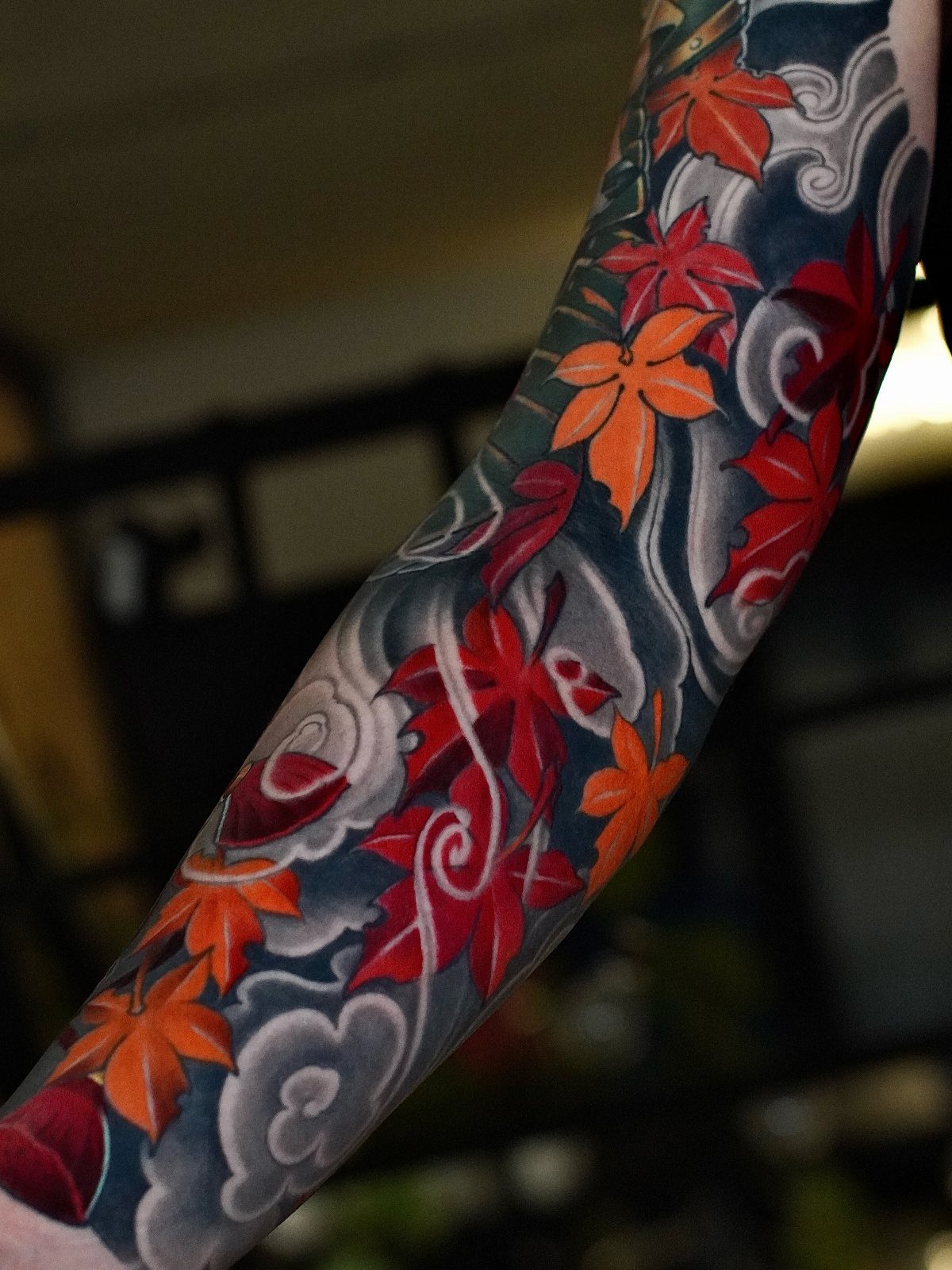
Japanese maple leaves swirling with waves and clouds borrow from a tradition where leaves signal seasons and impermanence. The red and orange pop against grey wash in a way single-color nature tattoos rarely manage.
For smaller work, a cluster of two or three leaves avoids the veined-overload that makes tiny leaf tattoos look like green blobs later.
I would ask the artist to render silhouette and edge, not internal structure. A ginkgo leaf stands alone for longevity; a fern frond carries quiet strength without needing companions.
Japanese-style background shading carries the composition.
That level of fill multiplies session time and cost against a standalone leaf cluster. Choose based on budget and pain tolerance, not just aesthetic preference.

✔[REALISTIC WOLF TEMPORARY TATTOO] Briyhose Wolf Tattoos Temporary Can Cover Your Body Parts Large. It Contains 8 Sheets 8.27 * 5.83 Inch (21 * 14.8cm) Realistic Half Sleeve Wolf Fake Tattoo Stickers For Adults Men Women Tatto Kit. You Can Share It With Your Family And Friends.

Package Comes with: you will receive 1 piece reusable painting stencil, which is A4 size 8.3 x 11.7 inches / 21 x 29.7 cm

★HIGH QUALITY LONG-LASTING TATTOOS-- look spectacular 24/7 for longer as our tattoos will last for several days. The fake tattoo can show your personality and express your ideas.Guaranteed to dazzle, our tiger animals tattoos stickers are perfect for men kids to get noticed wherever you are.
7. Tree Tattoos
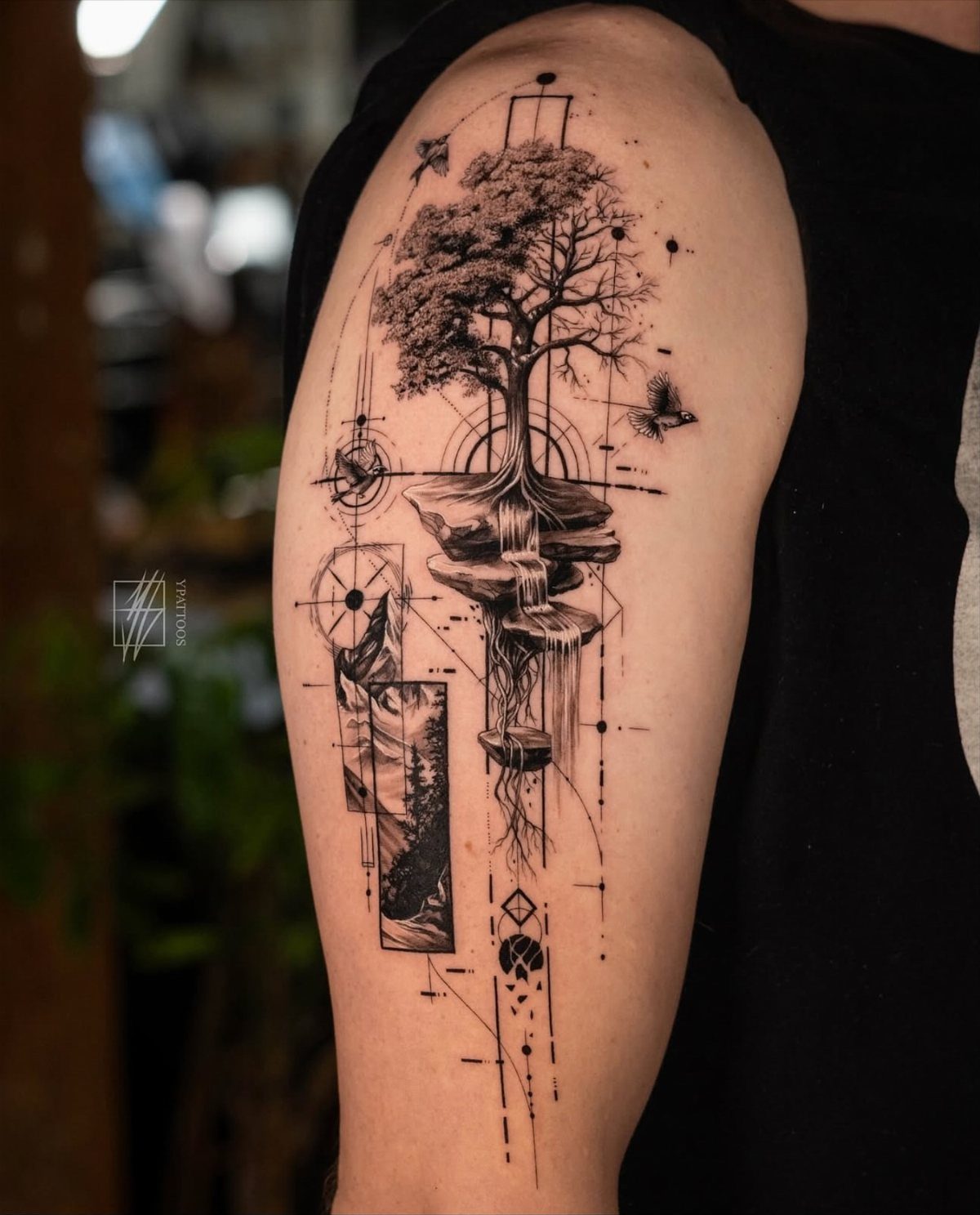
A bare branch silhouette reads differently than full canopy: the former marks a season of loss or waiting, the latter marks growth already achieved.
The tree on rocks with waterfalls ties endurance to movement, roots gripping stone while water passes through.
I would choose leafless branches for a memorial or a hard year survived, green canopy for a foundation I’ve built.
Geometric lines beneath the roots add structure without clutter; they also give the artist a grid to keep the trunk straight as skin ages and shifts.
Color in the flower pedals, if you add birth flowers for kids, needs saturation to last. Those details fade to ghosts without proper packing; the only way to keep them is a touch-up habit and sunscreen every day.

77 Temporary Tattoos: Waterproof temporary tattoos for adults & kids, featuring half-arm and small designs with bold lions, tigers, wolves, owls, and ravens for versatile styling

🦊 96 PCS PRE-CUT WOODLAND TATTOOS: 8 Sheets Cute Woodland Animal Jungle Forest Animal Pre-Cut temporary tattoo, total 96 PCS different designs tattoos stickers. The sheets measures 6.3 inch X 4.7 inch, one size fit all adult and kids. Can meet most of your needs. An affordable bulk back to school essential under $10, featuring easy to use pre-cut tattoos that make perfect classroom rewards and provide enough fun for up to 3 classrooms.

🐘 60 PCS JUNGLE SAFARI COLLECTION: Ignite your child's imagination with 5 large sheets (6.3 x 4.7 inches) featuring 60 vibrant, pre-cut jungle animal temporary tattoos. Perfect for kids who love wildlife, zoo animals, and nature adventures.
8. Fine Line Nature Tattoo
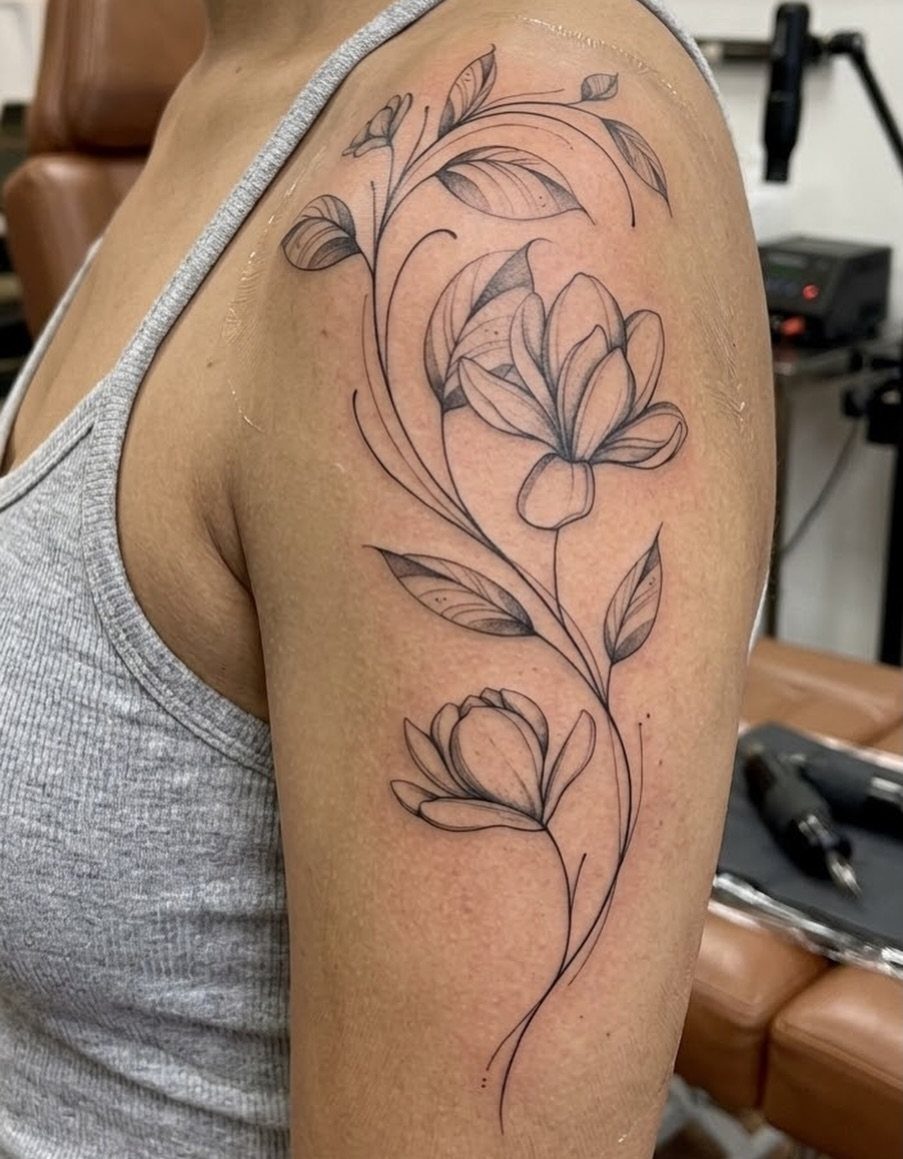
For my own skin, I would keep line weight above a single-needle threshold and let leaves suggest vein structure with 2 confident strokes rather than mapping every ridge.
A ginkgo or fern works here: their shapes read instantly even when the line softens.
A sun or moon added to a nature piece only works if the circle geometry is true from the first pass; wobbles do not age into character.
A slightly off circle ages into a lopsided mess no touch-up fixes cleanly. Ask to see healed fine line from 6 months back, not yesterday’s crisp post.

Package Includes: you will receive 9 pcs flower stencils for painting, measuring 11 x 14.5 inches, suit for your artistic needs, including renovating old furniture, creating decorative paintings, and creating handmade jewelry

Package Includes:These flower stencils for painting on wood includes 14 designs in various beautiful patterns, such as wildflower, butterflies, dandelion,mushrooms, and more.

【3-Size All-Round Stencil Set for All DIY Scenarios 】 Home Decor + Trendy Mini Crafts: This 20-piece kit has 3 sizes: 6 vertical large (11x14.5in) for tall walls, 6 horizontal large (16x11in) for wide murals & furniture, and 8 mini (3x6in) for delicate details. Nature motifs: wildflowers, layered leaves, winding vines, butterflies, hummingbirds, dragonflies, bees. Mini stencils are flexible, perfect for journals, scrapbooks, collages, cards, gift wrap. Durable, washable, reusable on wood, canvas, walls, fabric. All-in-one for both statement pieces and intricate finishing touches.
9. Mountain Landscape Tattoo
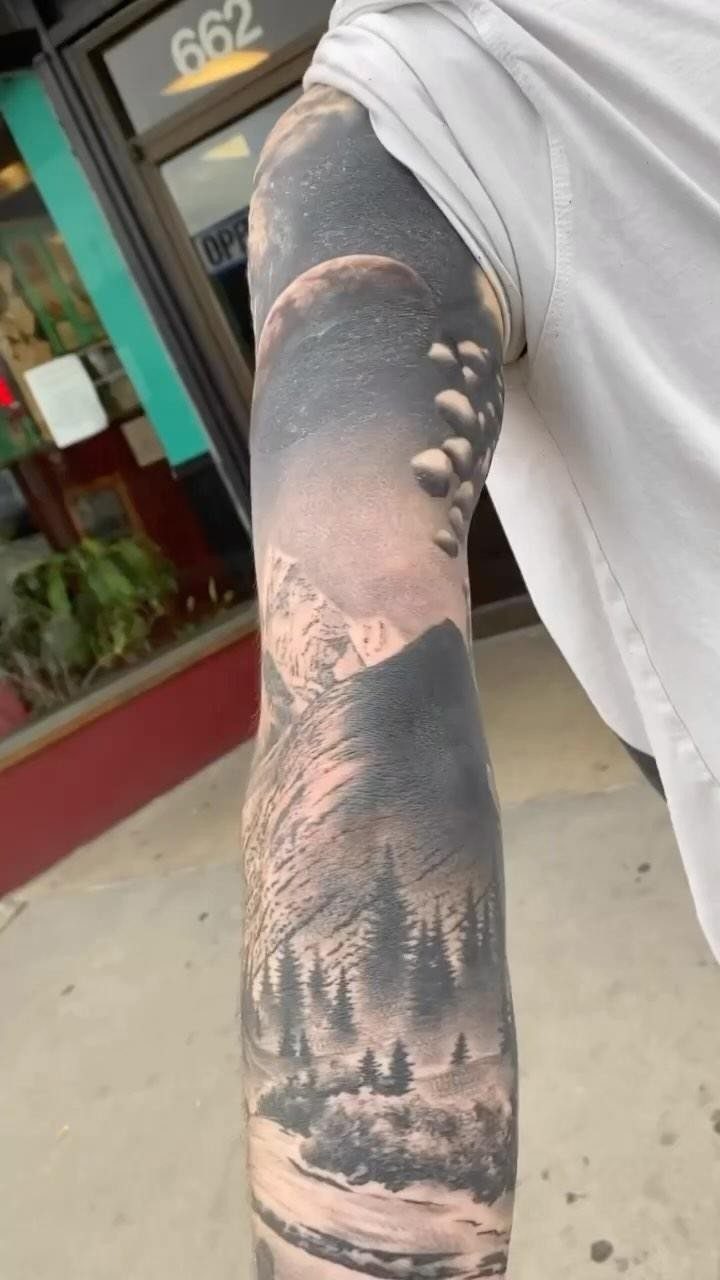
The moon and pines behind peaks add depth that a simple zigzag misses, but that depth costs sessions and skin real estate. A sleeve carries it; a forearm fragment reads as arbitrary scenery without the full composition.
I would pair water with mountains only if the story needs both: a home state with lakes, a trip where both mattered.
Otherwise the balance tips toward clutter. Black and grey realism keeps the values readable; color in sky or water demands more frequent refresh.
Blunt ray ends on any sun element last longer than tapered points. The same rule from sun tattoos applies here: termination shape determines how the line blurs.


This design shows a melting candle skull burning slowly with dripping wax beside a death moth and crescent moon, framed like a gothic skull badge with thorns, a flame skull accent, skeleton head details, and mystic occult art symbolism.

🐙[200+ Pattern 20 Sheets Black Crescent Moon Tattoos in One Package!]🐠 - Original Brand of Bilizar 3D Small Tattoos Cute Tiny Bulk Crescent Moon Temporary Tattoos For Women Adults. Crescent Tattoos Temporary Contains 20 Sheets Water Transfer Cute Small Crescent Temporary Tattoos Moon Tattoos For Hand Finger Ear Neck Temporary Tattoo Sticker.
10. Underwater Ocean Scene Tattoo
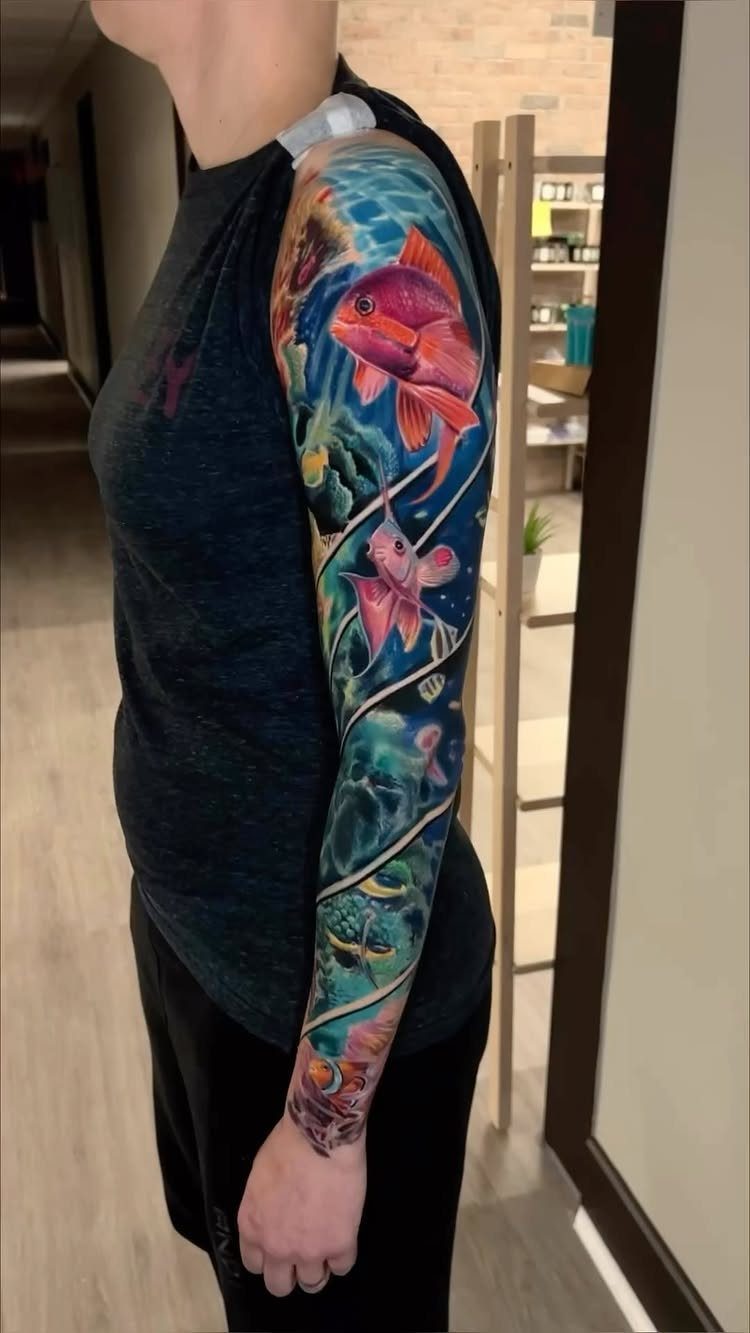
Full sleeve color of this density sits at the high end of commitment: multiple sessions and a healing period where the arm stays out of sun and water.
I would limit the palette to 3 main hues so the eye finds order.
Coral, fish, and water each need their space; overlapping warm and cool without plan muddies into grey-brown at a distance. A single focal creature anchors the composition better than scattered equal details.
Salt water and sun exposure after healing remain the enemy of saturated color. Budget for refresh sessions every few years if you live coastal.

What You Get: nature stencils for painting include 60pcs 3 x 3 inch small spray paint stencils with cloud, sun, boho sun, moon, stars, celestial patterns ect. Rich drawing style to create any DIY art projects, share your creativity and imagination with friends and family.

★【28 Sheets! Variety Outer Space Temporary Tattoos For Women Men Kids】--Contain More Than 500 Exquisite Designs COKTAK Brand Variety Waterproof Temporary Tattoos For Kids Boys Girls Teens Fashion Hot Popular Designs Tattoo Stickers in One Package.【Size】: 28 Sheets Cute Universe Small Temporary Tattoos Stickers For Kids aughters Son Children 10.5x6CM 4.1x2.3inch.

[Tattoos Stencils Kit]: 40 sheets Ramadan style tattoo stencils featuring moon,star, butterfly,floral,lamp design. Enough quantity and different pattern for you unleash your creativity and adorn yourself with beautiful henna designs. Variety of options to meet your every need.
Best Placements for Nature Tattoos
Small nature tattoos sit best where you can control who sees them and when.
The wrist, ankle, collarbone, and upper arm work because each spot trades off how visible it is against how much it bends or chafes on sleeves and collars.
For fine line work, the outer forearm, upper arm, calf, and upper back stay stable as skin shifts.
These zones keep lines crisp longer. Fingers, palms, foot tops, and the center of the ribs are high-motion and high-fade; the ink there blurs faster and needs more frequent refresh.
Sun exposure matters more than most people plan for.
Forearms catch light daily. If you want the tattoo to read sharp in year three, sunscreen becomes part of the routine.
Before you commit, tape a paper cutout of the design to the spot.
Snap a photo in daylight while you are walking around, then check whether the design stays readable at arm’s length. If the shape warps or disappears into a fold, adjust the size or placement before the needle touches skin.
Choosing a Nature Tattoo
A nature tattoo becomes yours when you stop copying what looks good on someone else and build from what you actually feel.
Start with the element that keeps pulling your attention: earth for plants and trees, water for waves and rivers, sky for moon and stars, or living creatures.
Then match it to the emotion you want the piece to carry: healing, freedom, devotion, courage, softness, growth.
The style locks it in. Fine line keeps it quiet and close to the body.
Dotwork adds texture and shadow without heavy ink. A micro-icon or minimal abstract works when you want the meaning private, readable only to you.
A generic tree becomes a specific marker of a hard year survived when you choose bare branches over full canopy.
A wave stops being decoration when you decide one wave means personal resilience and two mean partnership. The work is in the choosing, not the image itself.
Whether it’s simple nature tattoos or super realistic tattoos depicting components of nature, be it plants, animals, their habitats, natural geological structures, or phenomena, nature tattoo designs offer an array of opportunities to make an original and highly customized design.
Color vs Black & Grey
Black and grey carries nature tattoos with less maintenance and longer clarity. The high contrast suits mountains, animals, and line-only florals; the values stay readable as skin ages and ink settles.
Selective color adds life without the burden of full upkeep. One accent, a sun disk, a single petal, an animal’s eye, keeps the design grounded in the real world without demanding constant refresh.
Full color works for botanicals that need to read as living.
Saturation fades fast, and sun is the main reason why. Ultra-pastels on forearms or shoulders fade to ghosts; bolder pigments last but still need protection.
Black and grey for pieces where structure and form carry the meaning.
Color where the vitality of the thing itself matters. Sunscreen daily extends the life of either choice, but color demands the habit more.