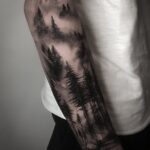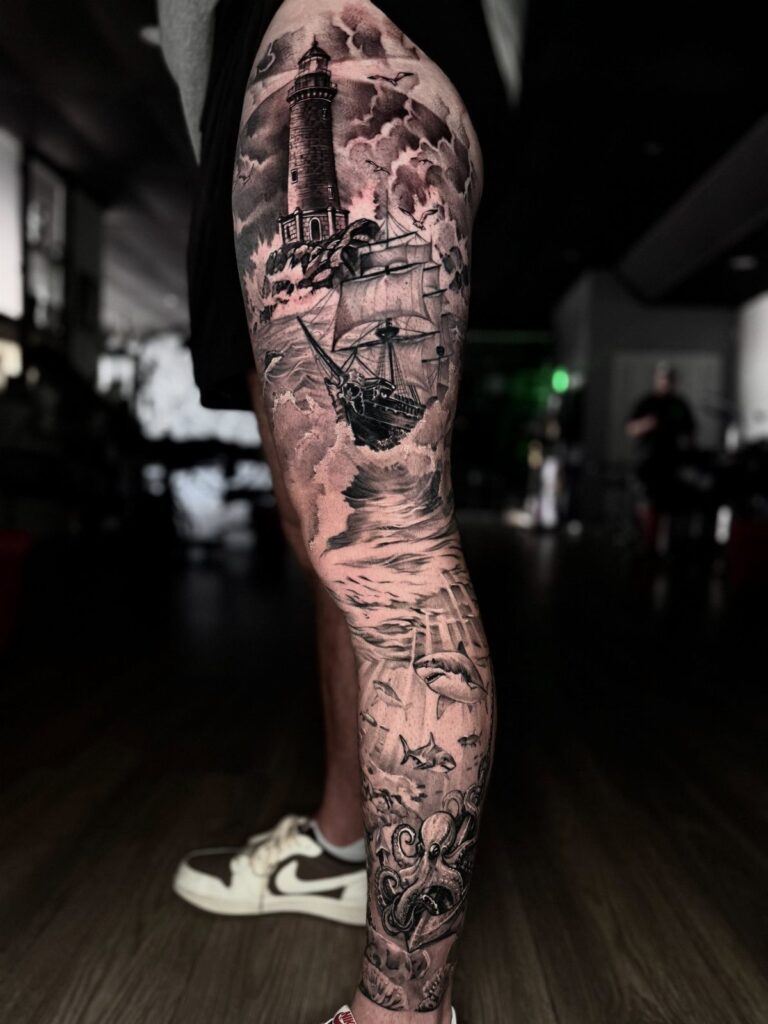
Ocean tattoos run from a single shell to a full sleeve, and the right choice depends on how much skin you want to cover.
The old family studios would recognize the same divide: small flash versus the long commitment of a tide that wraps from shoulder to wrist.
The blackwork in a sleeve reads sharper longer, while watercolor asks more of your artist’s saturation skills and your calendar both.
[link-whisper-related-posts]1. Ocean Sleeve Tattoo
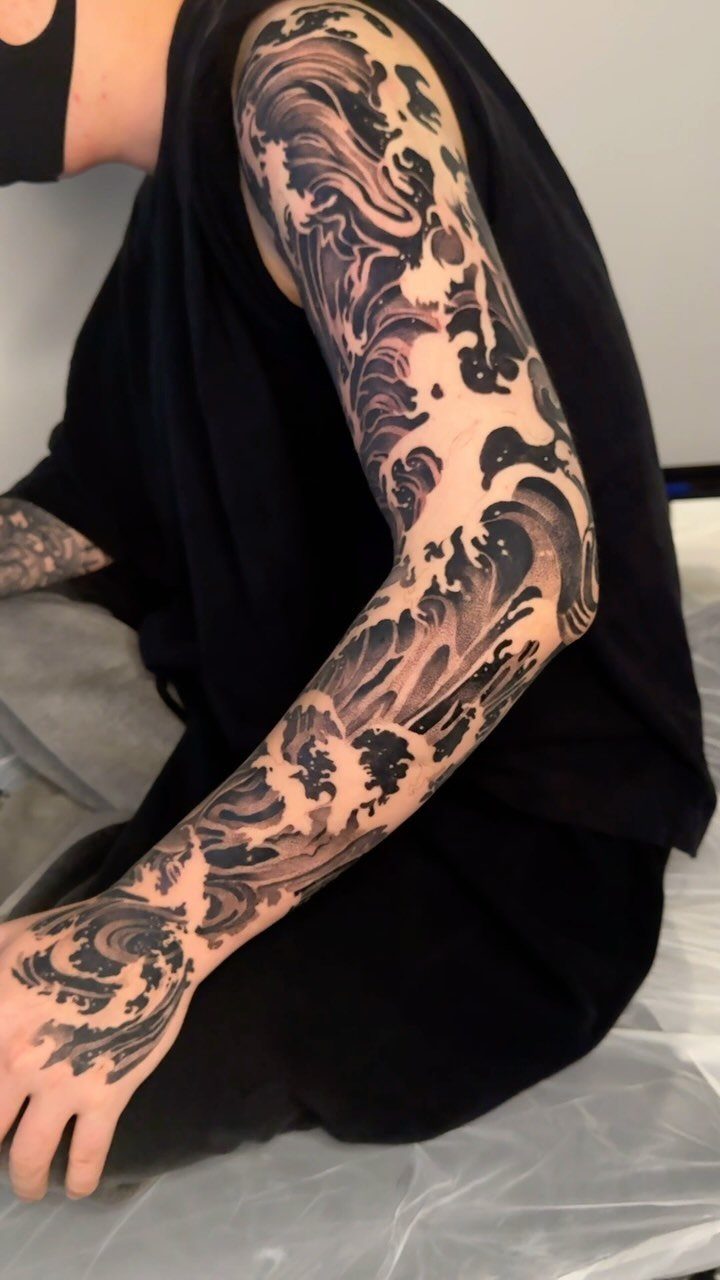
A full sleeve of ocean waves lets you carry the tide from shoulder to wrist, with room to weave in octopuses, jellyfish, or whatever else the current brings to mind.
The real commitment here is time. These pieces stretch across weeks or months of sessions, so I always tell people to plan it one appointment at a time rather than staring at the total calendar.
Blackwork reads sharper longer on large areas, though watercolor can work if you trust your artist’s saturation skills.

Dynamic Ocean Waves: These wave design painting stencils present four states of waves, slightly undulating waves, choppy waves, wavey waves and mountainous waves, can be individually decorated and in combination, it is a great image to show the grandeur and beauty of summer waves.

Beautiful Wave Design – Features flowing ocean waves, perfect for coastal, beach and sea-themed artwork.
2. Mermaid Ocean Tattoo
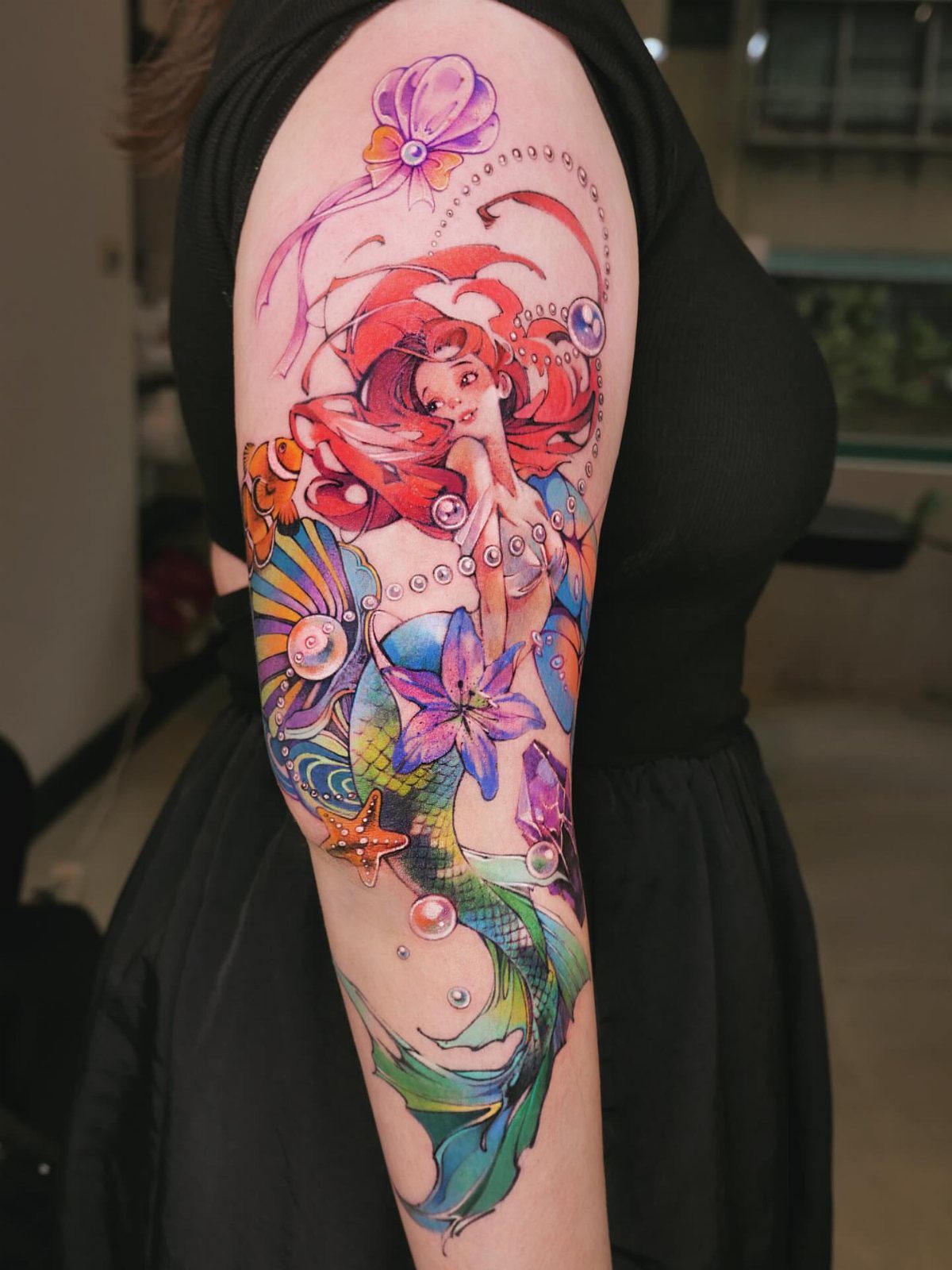
Mermaids sit at that crossroads of myth and personal meaning that keeps people coming back to ocean ink.
The ankle and rib cage are the placements that change the feel most, at least in my experience watching these settle on different bodies.
Ankle keeps it visible, a quiet flash of color when shorts or sandals come out. Rib cage hides it for work, hurts more for the bone proximity, but follows the body’s curve in a way that flatters the tail flow.
Seashells and starfish frame the figure without cluttering it. Red hair in a mermaid tattoo is a choice; cooler palettes read differently, more siren than sailor’s dream.


Mermaid Party Favors for Kids: 18 sheets (3.0×4.72 inches) with 108 glitter mermaid tattoos. These pre-cut temporary tattoos are ideal for mermaid goodie bag fillers and under the sea party accessories.
3. Ocean Scene Tattoo
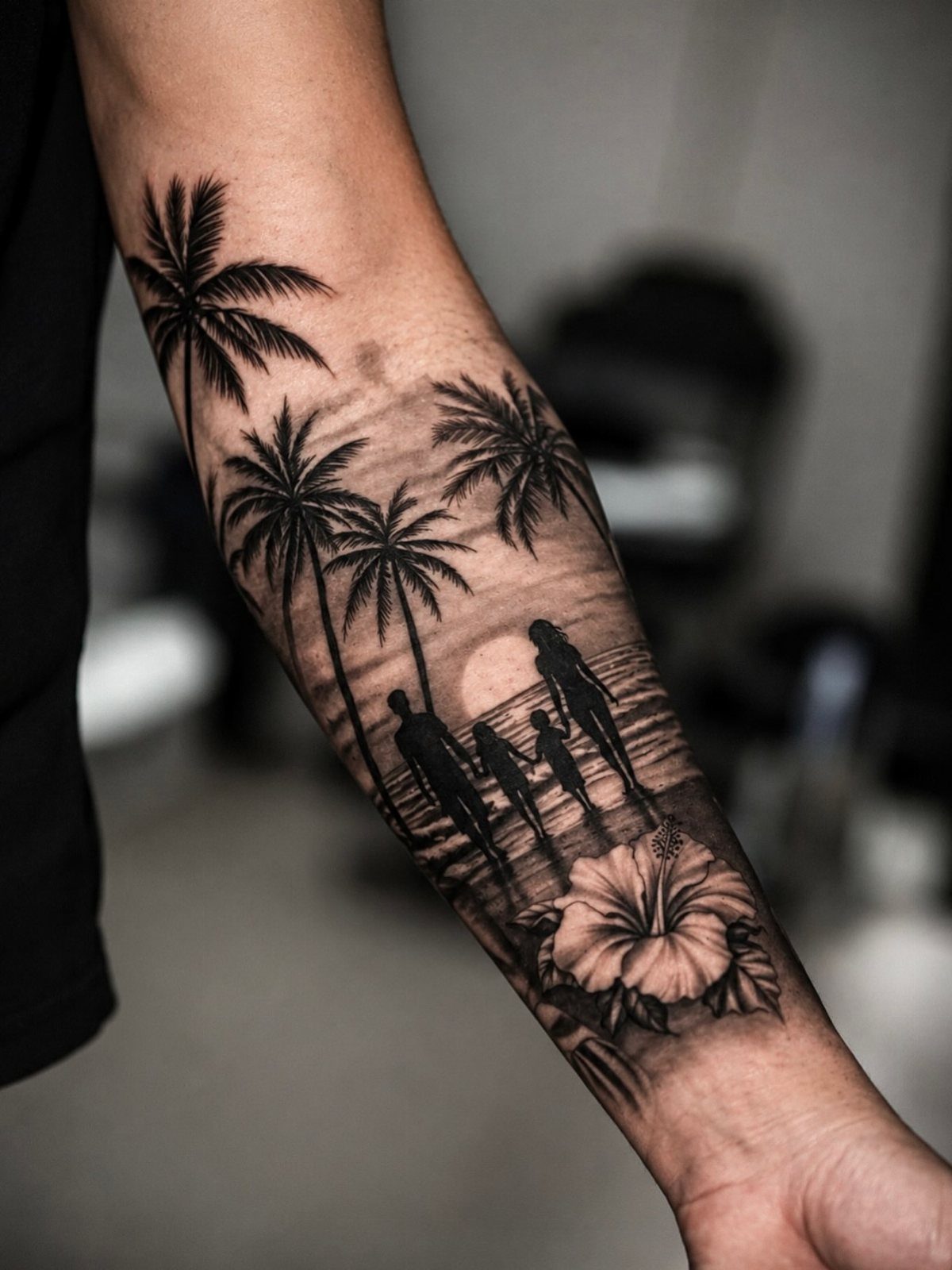
Some ocean tattoos want drama. This one wants the opposite: the still point of a beach at evening, figures small against the horizon.
Silhouette approaches keep faces from dating the piece, which matters for something meant to last decades.
Palm trees and hibiscus ground it geographically, though you could swap in whatever landscape matches your own memory. Black-and-grey execution reads as memory rather than snapshot, which suits the subject.
The forearm gives an ocean scene length to breathe. Inner arm would hide it more; outer arm turns it into a story you offer openly.

🌊 Complete Undersea World Collection: Dive into creativity! This 12-pack set features rolling waves, splashes, seashells, corals, seaweeds, and cute sea creatures to build your own vibrant ocean scene.

PACKAGE INCLUDES - 56pcs different styles sea ocean creatures stencils template. Multiple choices are provided for you.

Wave Theme: This template meticulously captures the authentic forms of surging waves and splashing spray, from gentle ripples to towering swells. Effortlessly infusing your living space with the ocean's dynamic and tranquil ambiance, it creates an immersive coastal atmosphere
4. Tribal Ocean Tattoo
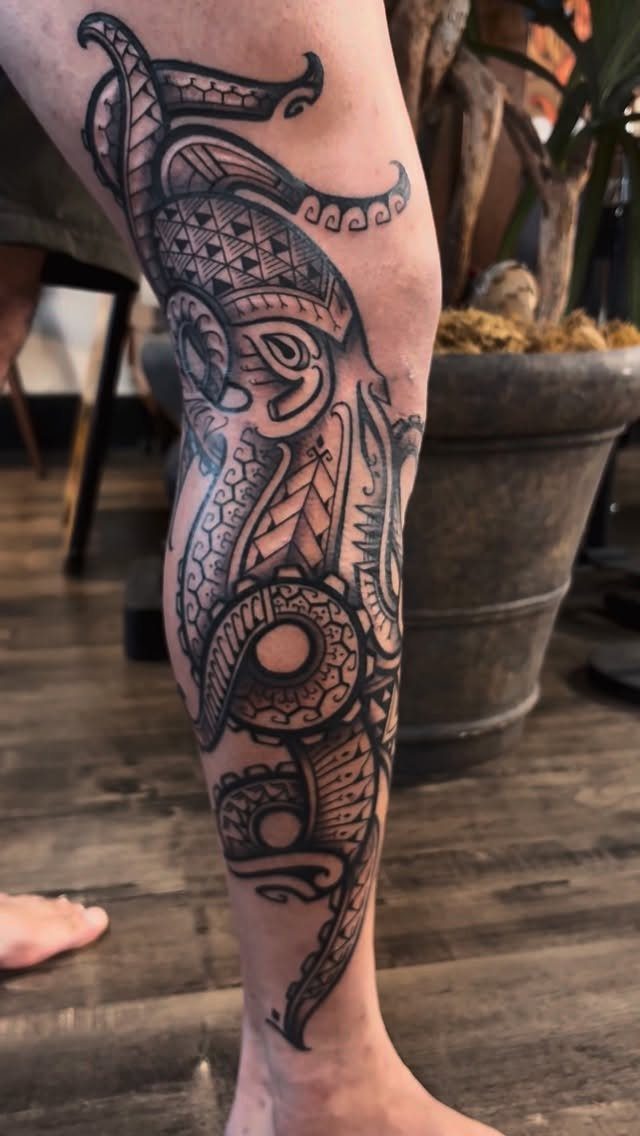
Polynesian and Hawaiian traditions treat these patterns as living connection, not decoration. An octopus stretching from thigh to calf follows the muscle in a way that makes the geometry feel organic, which is harder than it looks.
Sharks and turtles carry specific lineage meanings that waves alone do not.
If you are not from these cultures, I think the honest move is hiring an artist who is, or choosing imagery that speaks your own ancestry instead of borrowing weight that is not yours.
The tribal style can be adapted; the sacred content should not be.
Lower leg heals relatively well, though the calf back can swell and sit awkward with pants for a week.


Material: Made of Nylon 80% and Spandex 20% allowing for both comfort and flexibility. Quick-drying, flexible and elastic.

PRINT LONG SKIRT:Our women’s floral long skirt features a delicate ditsy print on a rich base, crafted with lightweight, flowy fabric for a breezy, feminine silhouette; perfect for elevating your summer wardrobe with a romantic touch
5. Black and White Ocean Tattoo
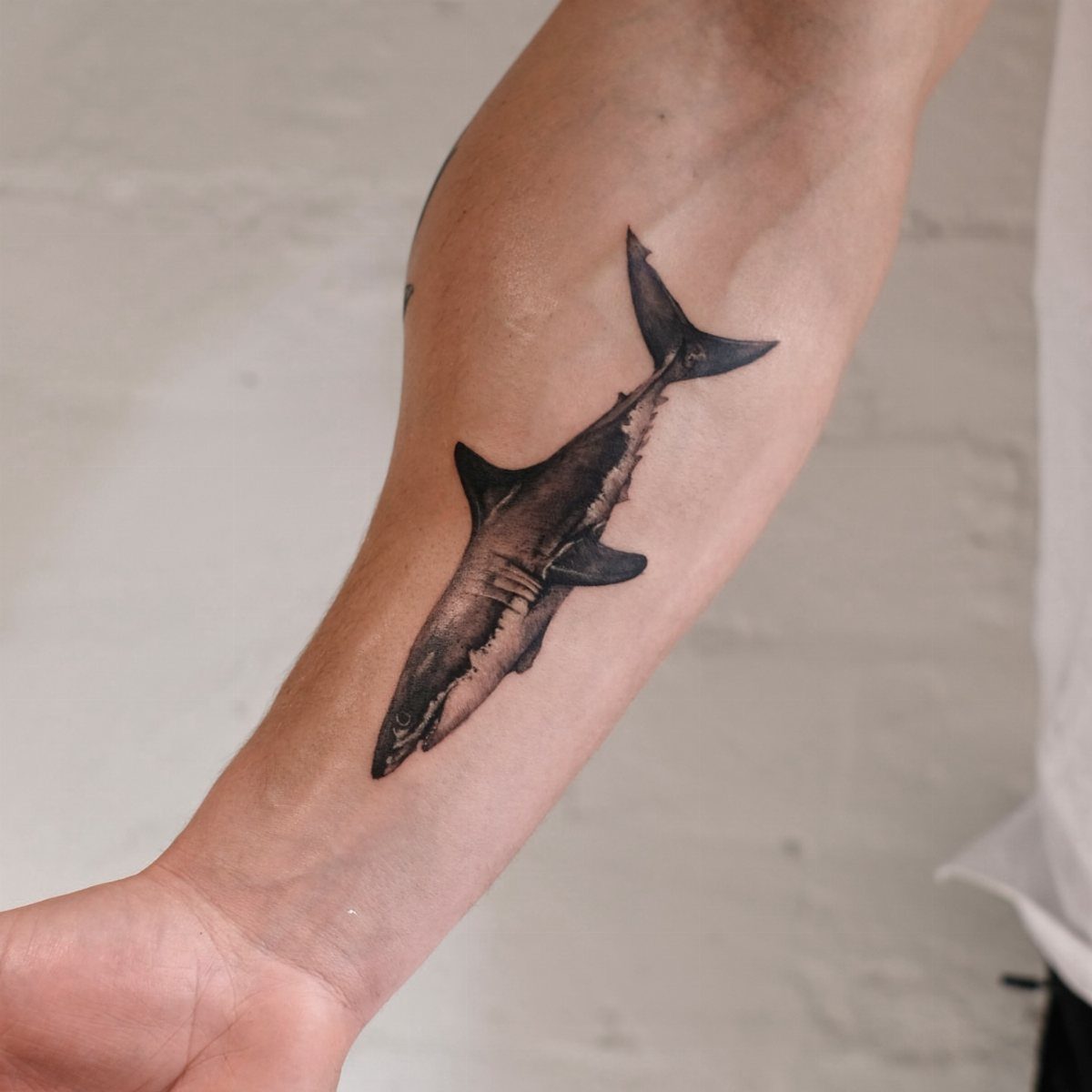
Stripped of color, an ocean tattoo lives or dies on its shading.
In black and white ocean work, the grey values have to carry depth that blue would normally handle, and the contrast needs to stay crisp as the piece ages.
This is where professional skill becomes non-negotiable.
Budget artists often save time on black-and-grey, which shows within a year as muddy patches where the water should recede. Forearm placement heals straightforwardly and lets you watch the detail daily, which I prefer for something this technically demanding.

DESIGN VARIETY: Select from 2 packs which include multiple Polynesian-inspired designs featuring sea turtles with tribal patterns, hibiscus flowers, and traditional sun motifs in black and metallic gold

✔[FULL SLEEVE TRIBAL TATTOO] Briyhose Tribal Full Arm Temporary Sleeve Tattoos Can Cover Your Body Parts Large. It Contains 4 Sheets 18.9 * 6.7 Inch (48 * 17cm) Long Sleeves Totem Tribal Fake Tattoo Stickers For Adults Men Women Tatto Kit. You Can Share It With Your Family And Friends.

✔[TRIBAL TOTEM TEMPORARY TATTOO] Briyhose Totem Tribal Temporary Tattoos Can Cover Your Body Parts Large. It Contains 8 Sheets 8.27 * 5.83 Inch (21 * 14.8cm) Realistic Tribal Fake Tattoo Stickers For Adults Men Women Tatto Kit. You Can Share It With Your Family And Friends.
6. Ocean Fishing Boat Tattoo
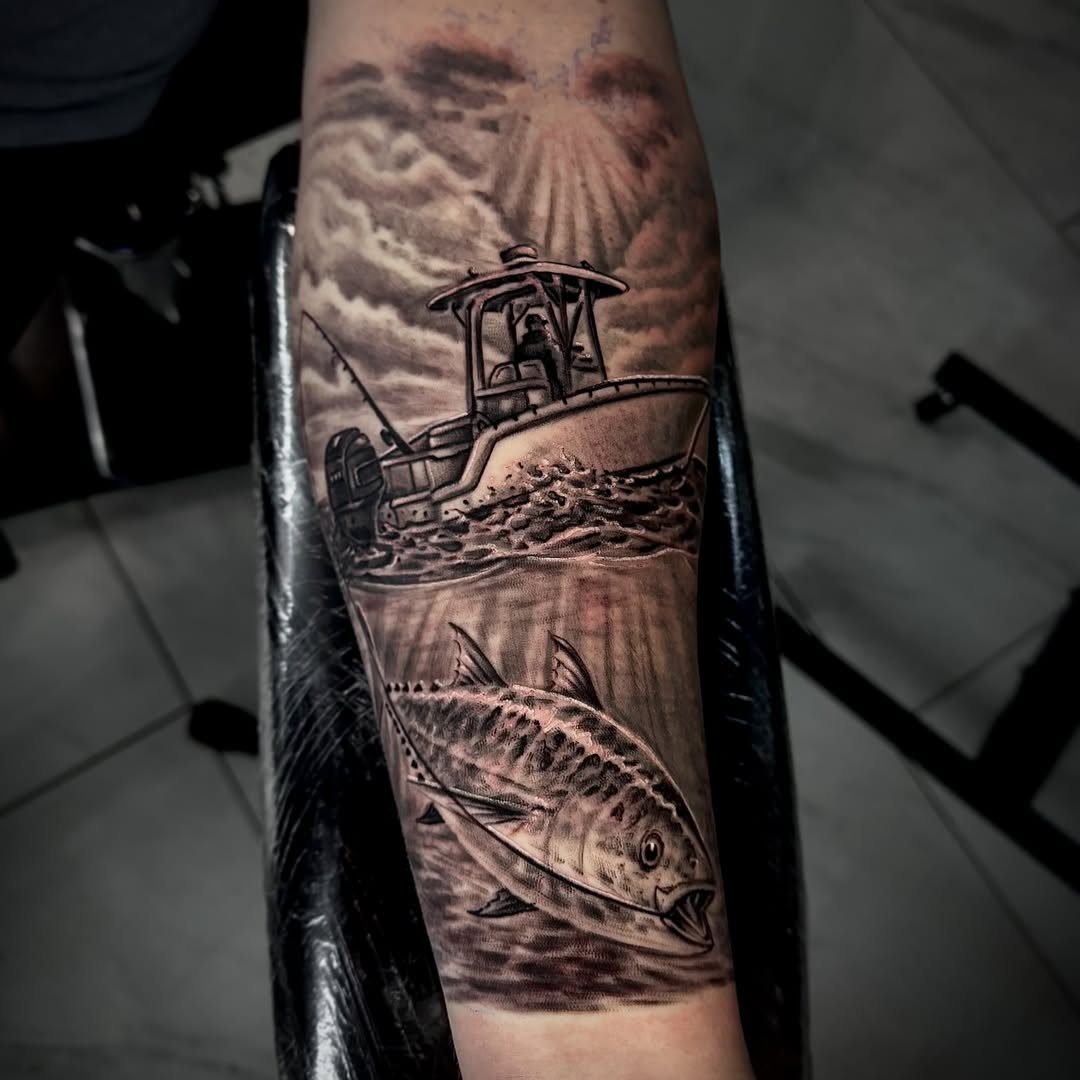
The split view in this design, boat above and tuna below, captures something fishing tattoos usually miss: the whole event, not just the catch.
The ocean fishing version differs from standard fishing ink by making the water itself the frame. That tuna suspended beneath the hull turns a hobby piece into something with weight, a moment between surface and depth.
Upper thigh, back, or chest give the vertical space this composition needs; forearm works for smaller boats but loses the scale shift that makes this effective.
Color would read more leisure, less ritual.
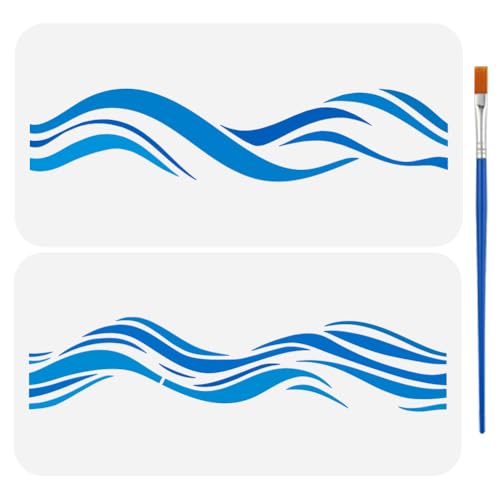
About the Stencil: You will receive 2 piece waves borders stencil and 1 piece plastic paint brush, the stencil is made of high quality PET Plastic with good flexibility, durability, professionally cutting, smooth edges, rounded edges and corners, can serve you for a long time. Size: Painting Stencils: about 11.8inch wide, 5.9inch long, Plastic Paint Brush: 6.3x0.28x0.2inch.

SAVE TIME AND MONEY - Why spend long hours and $$$ on a variety of Home Decor stuff? Our Reusable stencils are affordable and enables you to make DIY Masterpieces quickly and efficiently in just minutes, offering you more free time!

【Ocean Wave — Minimalist Summer Art】Ride the tide with these elegant ocean waves, sunset, moon, stars and palm tree motifs. Designed with delicate, fine-line detailing, these tattoos capture the freedom and serenity of the beach. Perfectly sized for discreet placements like the finger, hand, or wrist, they offer a realistic "vacation vibe." Non-reflective and waterproof, these tiny pieces are the ideal accessory for holiday trips, pool parties, or daily inspiration for ocean lovers.
7. Ocean Storm Tattoo
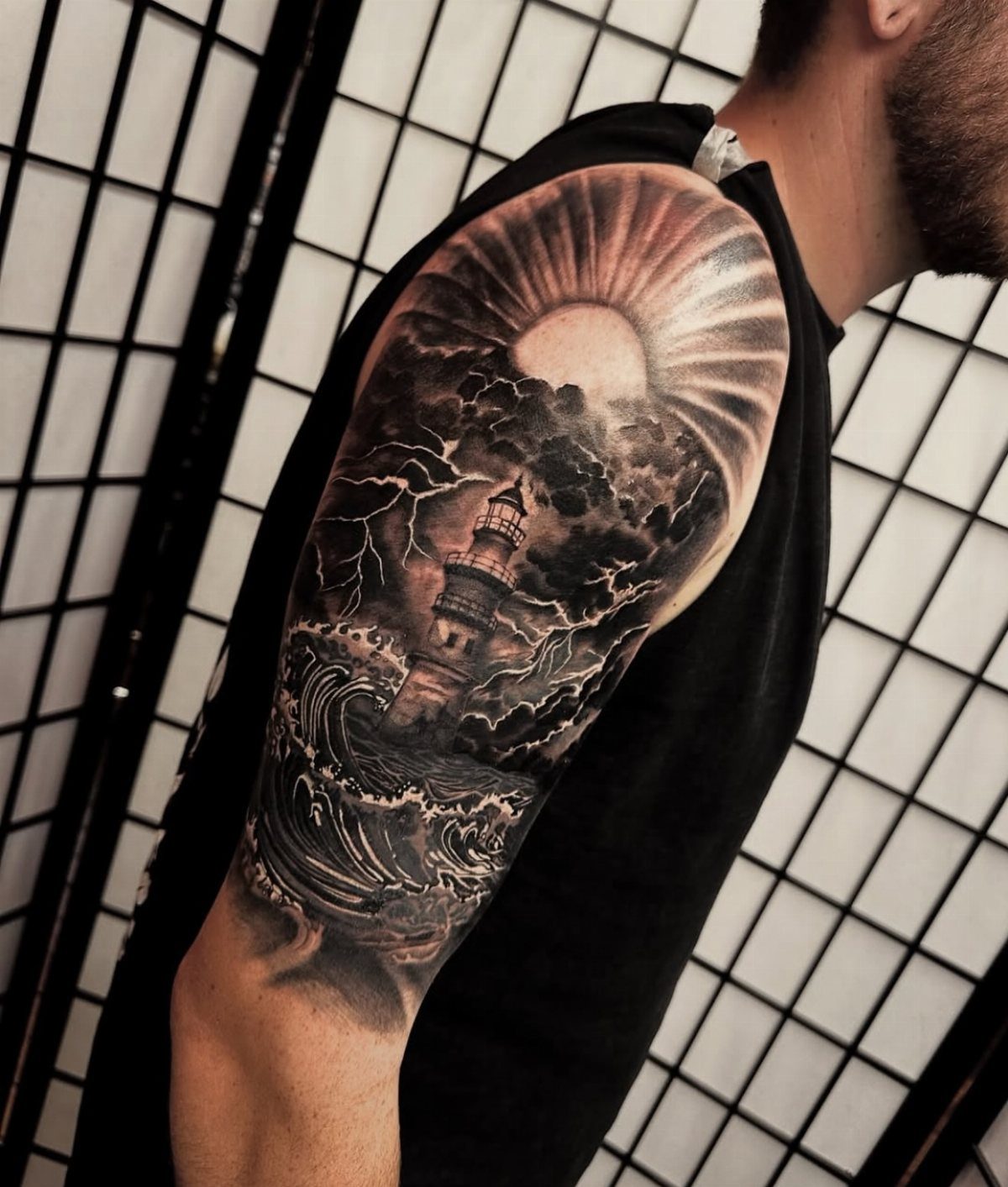
The lighthouse keeps it from reading as pure disaster; it gives the eye somewhere to rest and the story somewhere to turn.
Black-and-grey holds the drama better than color, which can slide toward illustration. Upper arm or thigh gives the vertical space the lightning needs to feel like it is actually falling.
This one hurts. The fill work is dense and the sessions run long, so I would plan around that, not around the image alone.

⚡Set Includes 74 Glitter Styles Tattoos for Kids Mermaid Birthday Decorations -- Super adorable and glitter temporary tattoos. This tattoo sticker set contains many unique mermaid elements that kids will like. Add an individual extra touch of fun to a children’s mermaid birthday party or event with CHARLENT tattoo stickers.

MADE IN THE USA SINCE 1990: For over 30 years Dynamic Color has produced professional tattoo ink in the United States, an established American brand artists built their work on long before most imported labels existed.

Under the Sea Magic: Turn any bestie into a mermaid with dreamy pastel tattoos that make your celebration pop with ocean vibes!
8. Realistic Ocean Tattoo
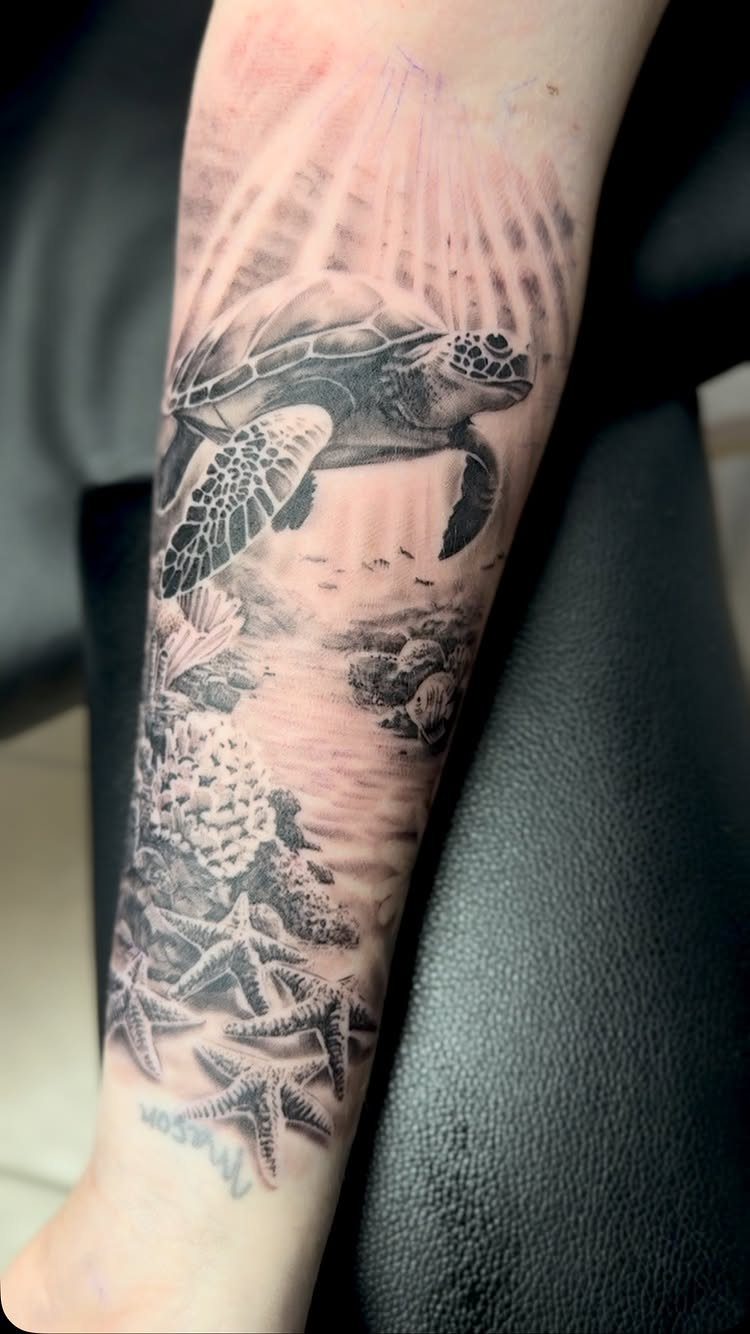
A sea turtle that looks like it could swim off the skin asks more of the artist than most subjects, and more of you in chair time.
The coral and sunbeams in the visible piece work because the contrast stays high; soft grey washes turn to mud faster on detailed work than on bold pieces.
I would check an artist’s healed photos, not just fresh ones, before committing to this level of realism. Forearm placement lets you watch how the linework settles, which matters when the detail is this fine.

Package Contents: You will receive 20 nautical stencils of different patterns, designed with a variety of sea animals, you can choose any pattern you like to complete your drawing

Versatile Art Stencil – Perfect for painting, scrapbooking, DIY decor, and ocean, nautical, or adventure-themed crafts.

Manta Ray Stencils: Plastic stencil is designed with manta ray patterns, which are creative, vivid and beautiful, and bring you a lot of artistic and nature atmosphere. Make your life full of vibrant and fun. Size is about 29.7x21cm/11.7x8.3 inch.
9. Japanese Ocean Tattoo
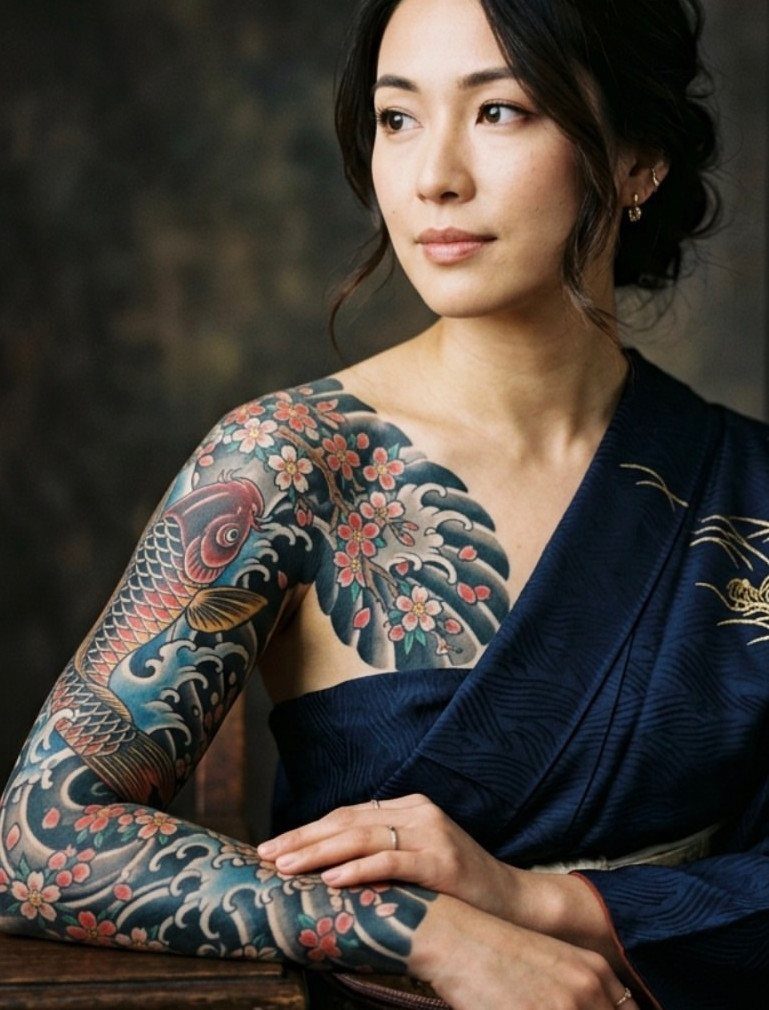
The wave pattern here is recognizably from the Hokusai lineage, which carries history whether you know the name or not.
Koi against that wave structure gives the composition its tension: the fish pushing upstream, the water pressing back. This style was built to be seen in sections, to wrap and reveal as the body moves.
Full sleeve and chest panel follow that logic, though a single back piece can work if the scale stays large enough for the line weight.
Color saturation in Japanese work is traditionally high; faded examples look like faded posters, so I would budget for touch-ups as part of the long-term plan.


Dramatic illustration of a Hawaiian volcanic black sand beach with a graceful palm silhouette, capturing the moody, awe-inspiring atmosphere of Hawaii's most unique and iconic coastal scenery.
10. Colorful Sea Turtle Tattoo
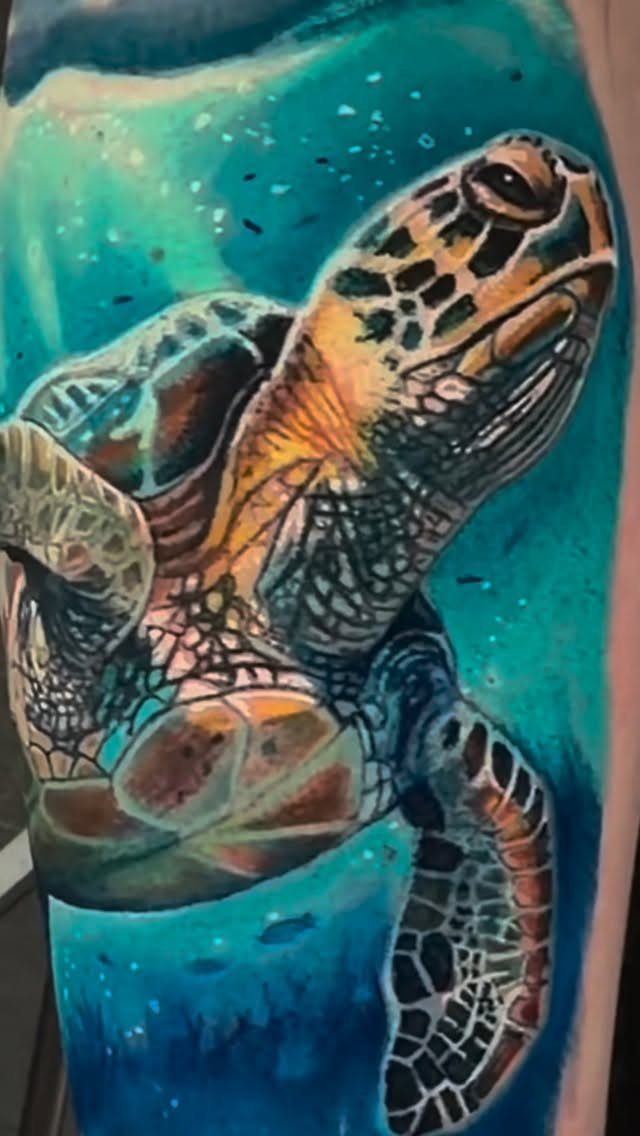
Turquoise against skin tone is the gamble here; on some complexions it pops, on others it competes.
The shell pattern in the visible piece is dense enough that a little fading will not kill the read, which is the main thing to check before committing to color this bright.
A sea turtle carries the obvious meanings, long life and easy movement, but the color choice is what makes this version personal. I would bring reference photos of the exact blue you want; "turquoise" covers too much ground.

Ocean blue tribal Hawaiian octopus design great for tropical island vacations to paradise. Polynesian tattoo style octopus design for ocean animal lovers and island or beach lovers.


👑 [FESTIVAL & PARTY READY] Instantly elevate your look! Our 18 extra-long tribal and boho designs easily wrap around arms, wrists, or ankles, making you the center of attention at music festivals, concerts, or holiday parties.
11. Vibrant Stingray Tattoo
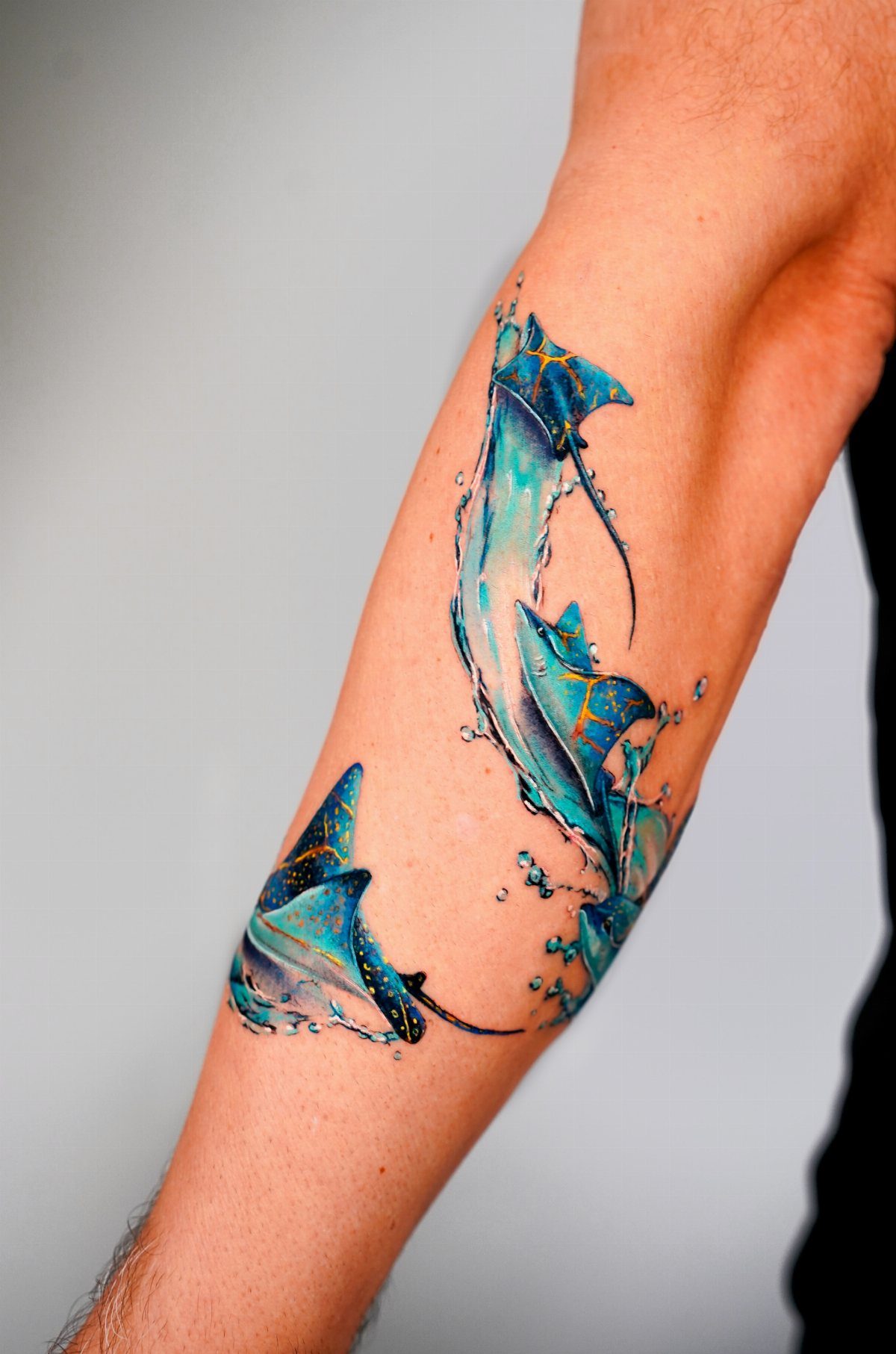
2 stingrays in motion solve the static problem that single-animal tattoos often face; the pair gives the composition its direction.
The water splashes in this piece are doing real work, bridging the negative space without cluttering it.
Blue and teal on a lighter grey background read as depth rather than decoration, which is harder to pull off than it looks. Forearm keeps the glide visible; calf would wrap the curve but lose the horizontal flow.
I would ask to see how this artist handles the transition between the ray’s body and the splash detail before booking.
12. Octopus Tentacle Forearm Tattoo
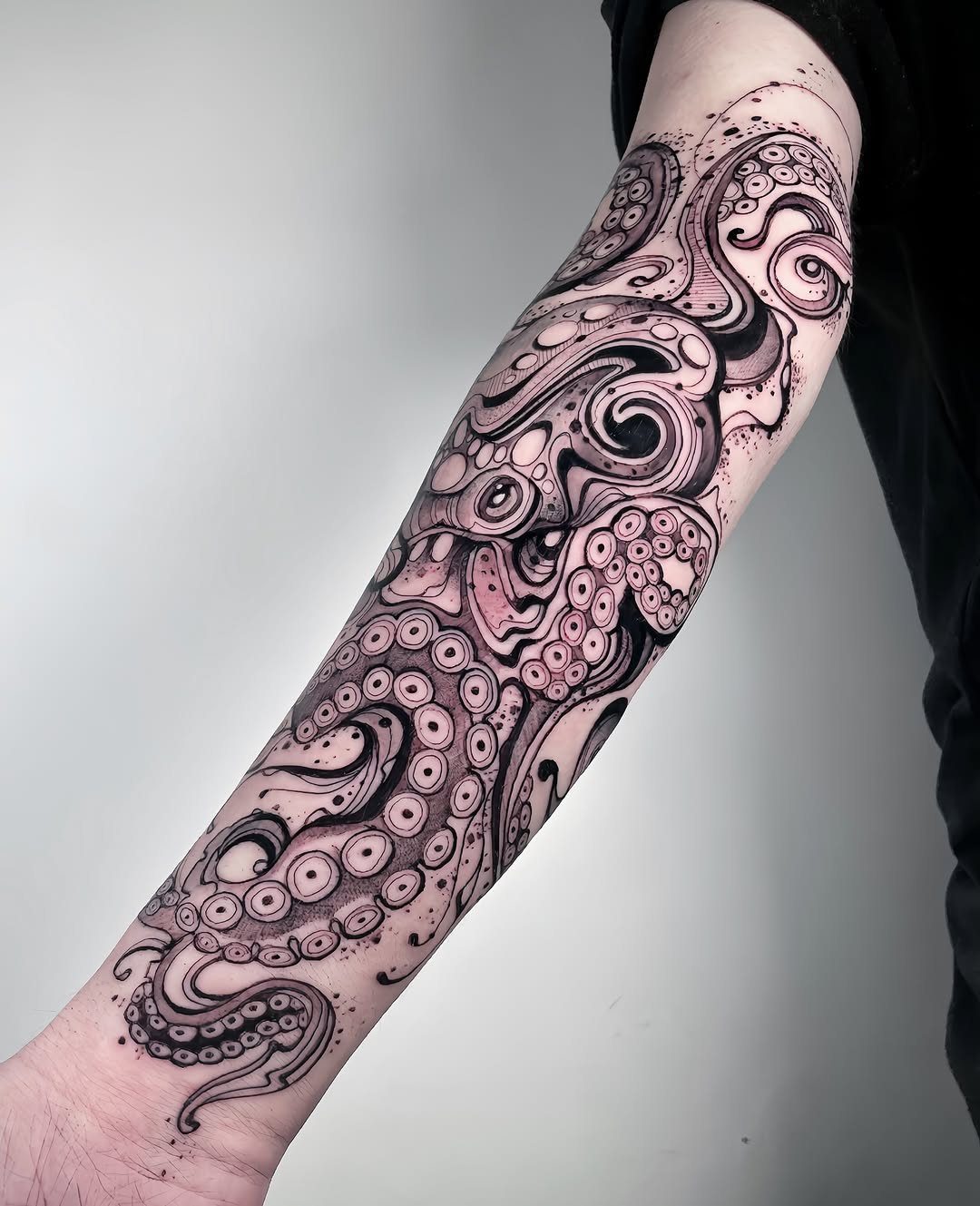
Dotwork shading on tentacles has to be consistent; uneven stippling turns texture into mistake fast, and the whole forearm is a lot of surface to keep even.
The suckers are the detail that shows skill here, each one a small ellipse with its own shadow, repeated dozens of times.
Black and grey keeps the focus on that repetition rather than distracting with color shifts. Full forearm coverage means committing to the weight of it; a partial wrap would read as emerging from somewhere, which is a different piece entirely.
I would plan for 2 sessions minimum, more if the dotwork is dense, because rushing stippling shows.
Meaning of Ocean Tattoos
An ocean tattoo can mean renewal, adventure, or simply that you belong near water. The meaning shifts with which element you choose: waves read as change, deep water as mystery, shoreline as threshold.
Cultural weight matters here. Polynesian ocean patterns carry specific spiritual meaning, journey and afterlife both, which is why I think borrowing them without lineage sits wrong.
Japanese wave tradition has its own grammar, koi against current, the Hokusai lineage visible even to people who never learned the name. That history is part of what you wear.
Some people choose ocean ink now for environmental awareness, which is newer as a motivation but no less real.
If the meaning is only aesthetic, that is honest too. Just know which you are choosing before the needle starts.
Choosing Placement
Horizon lines need flat ground. The upper back, chest, or outer thigh give a straight edge for the eye to rest on, which matters when your design includes a distant meeting of water and sky.
Curved areas like the shoulder cap or calf distort that line in ways that read as error even when the tattoo is technically clean.
Tall compositions, lightning over water or a lighthouse beam, want vertical space.
The upper arm from shoulder to elbow, or thigh from hip to knee, let the eye travel the way the design intends. Forearm turns vertical into horizontal; the same lighthouse reads as sideways, which can work but changes the subject.
Movement follows the body. A swimming turtle or ray should point the way the limb actually moves, or the composition fights itself every time you walk.
I check this by holding the stencil and moving the joint through its range before any ink goes in.
Cost and Size Considerations
Small ocean work, a single shell or minimal wave, runs shorter in chair time and costs less.
A sea turtle the size of a quarter loses its shell pattern to blur within a few years; detail is the first thing to go when you shrink the canvas.
Large pieces scale differently. A sleeve or full back scene spreads the hourly rate across many sessions, but the total adds up.
Black-and-grey heals more predictably than color saturation, which means fewer touch-ups and lower lifetime cost, something I factor in when people ask about watercolor ocean pieces.
An octopus tentacle in consistent stipple can run twice the hours of the same shape in blackwash, and artists price by time.
Ask whether the quote is per session or for the finished piece; ocean sleeves often run long enough that the difference matters.
Healing affects placement cost too. Areas that swell or rub, calf back or inner arm, may need an extra touch-up session built into the budget.
Frequently Asked Questions
What does an ocean tattoo symbolize?
Renewal, adventure, the pull of water you cannot explain: an ocean tattoo carries whichever of those fits the person wearing it.
A single wave stands for what keeps changing; deep water keeps its secrets; the shoreline marks the place where one thing becomes another.
The symbol turns on what you pick out of the whole, and lately some people add ocean ink to say something about where the environment stands now.
Is it frowned upon for a non-Hawaiian to get a Hawaiian tattoo?
In Polynesian and Hawaiian practice, these patterns hold active meaning; they are not a look you put on.
If these are not your lineages, the straight choice is paying an artist who holds them, or finding imagery from your own people rather than shouldering meaning that was not made for you.
Tribal styling can be borrowed and reshaped; what carries sacred weight cannot.