An angel and demon tattoo can be a fine-line chest piece or a multi-session sleeve in black and grey realism that asks serious time and healing discipline.
What decides which of these 8 designs is yours is whether you want the conflict visible from across a room or kept private enough that a shirt still covers it.
[link-whisper-related-posts]1. Winged Angel Descending Upon Fallen Demon
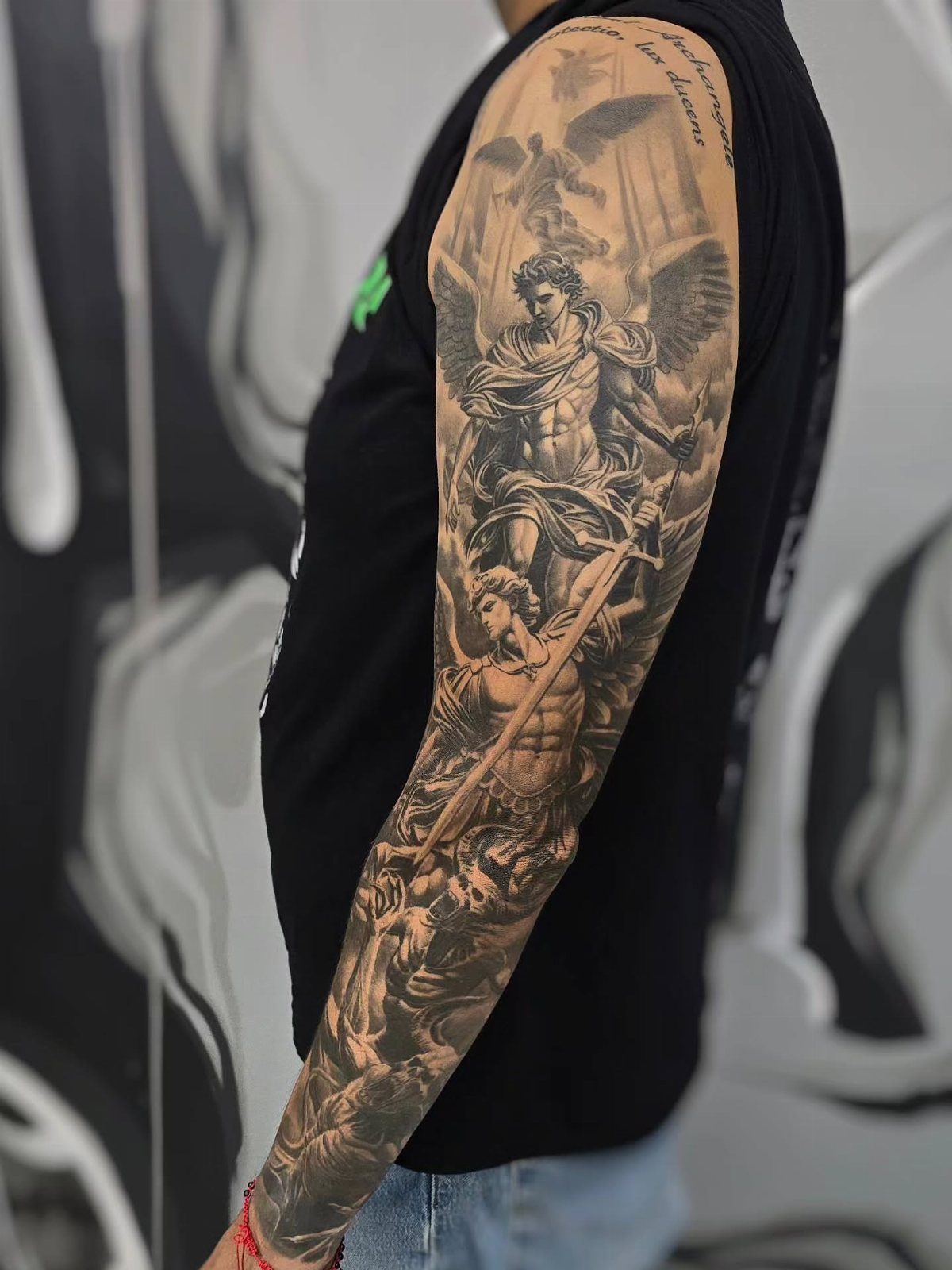
Black and grey realism works best when you want the weight of a story without the distraction of color.
A winged angel descending on a fallen demon reads like a single frozen moment from a larger narrative, which is why the sleeve format suits it: the composition needs room for the clouds to swirl and the sword to read as an action, not a symbol floating in space.
The Latin text near the shoulder is a choice that either locks the piece to a specific meaning or lets it stay ambiguous.
I would place any lettering high enough that a short sleeve still covers it for work, or skip it entirely and let the figures speak.
The clouds and birds around the main scene keep the eye moving so the arm does not feel like a static diorama.
Pain sits high on this one.
The inner bicep and ditch will take hours of needle time for the soft transitions that make realism work. Budget for multiple sessions; rushing the shading leaves a muddy grey where you wanted atmosphere.

VERSATILE TATTOO INK COLOR SET: Our vinrant tattoo ink color set features four shades of gray tattoo ink—Light, Light Medium, Medium Dark, and Dark. Ideal for blending and mixing, this professional tattoo ink simplifies your color palette, saving time for artists.
PACKAGE CONTENTS: There are 3 packs black temporary tattoo ink, 103 patterns tattoo stencils and one pin included in this comprehensive kit

Light medium and dark greywash shades cover the full range needed for smooth shading transitions and layered depth in black and grey work
2. Heart-shaped Angel and Demon
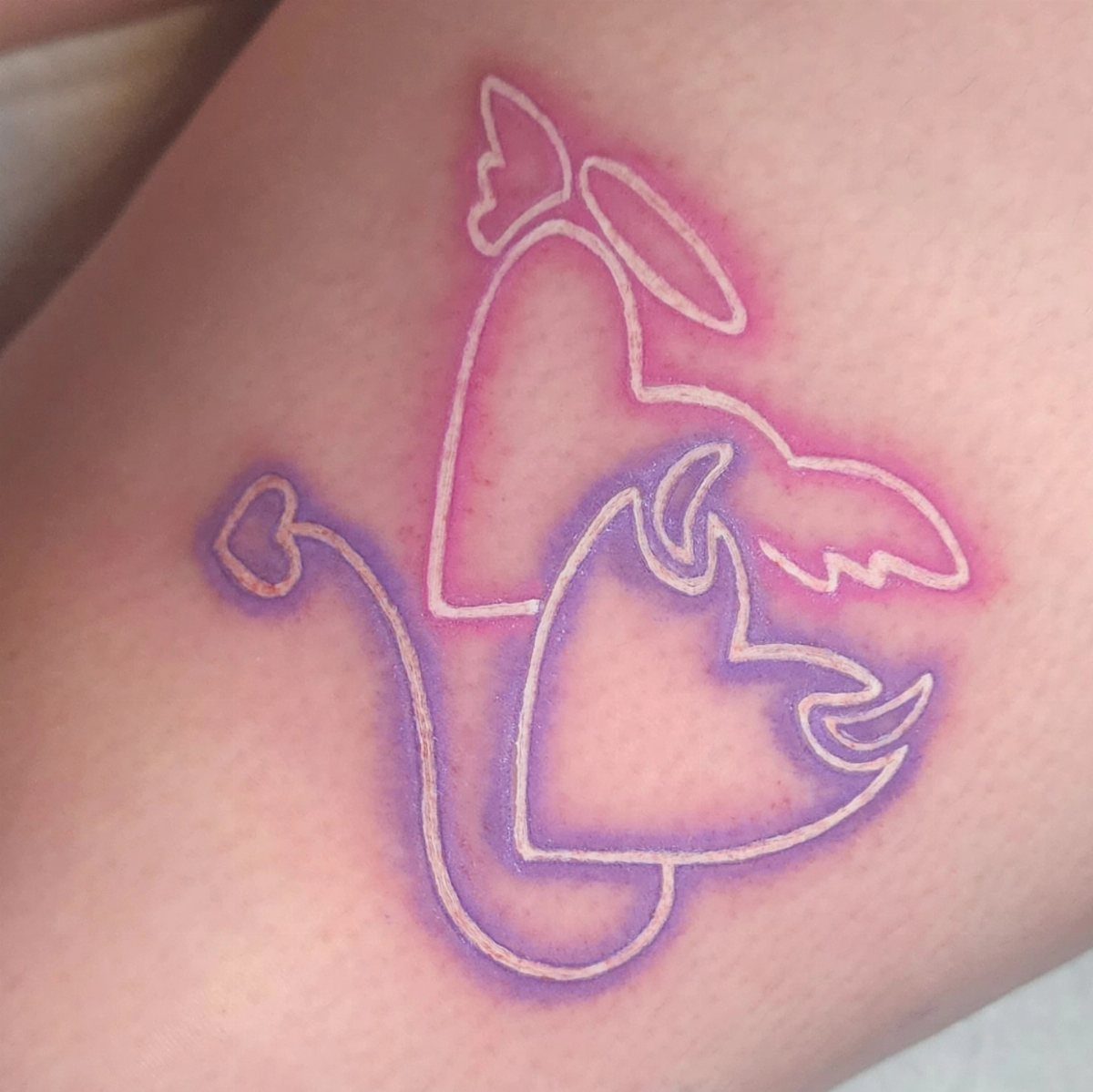
A heart-shaped split reads as relationship ink more than spiritual battle, which changes who asks about it and what they assume.
The white ink with pink and purple neon shading keeps the symmetry that makes the heart shape recognizable from a distance; lose that balance and it becomes 2 separate figures struggling inside a frame.
White ink with neon shading is the detail that makes this version work for the reader who wants something visible under blacklight or in dim rooms.
The halo, horns, and tail are small enough to simplify if the design starts feeling crowded on a wrist or ankle. I would keep the wings as the largest elements; they carry the silhouette from across a room.
This scales smaller than most angel and demon pieces, which matters for a first tattoo or for placement where a large black and grey piece would not fit.
The trade is that the fine lines in the neon shading may soften faster than heavy blackwork, so plan for touch-ups.


Halloween Face Tattoos: You will get 2 sheets Black White Angel Face Tattoos and 2 sheets Black white Diamond stickers Tattoos for Kids Adults, in 2 different designs. Our Angel Face Stickers are most suitable for festival, Halloween, or Christmas.

Innovative Skin-Sync Technology: We don't just sit on the skin; we interact with it. By reacting organically with naturally occurring proteins in your skin's outermost layer (stratum corneum), our plant-based formula magically transforms from a transparent guide into a rich, ultra-realistic navy-black. It looks exactly like a healed, permanent tattoo—without the needles or depth.
3. Abstract Angel and Demon
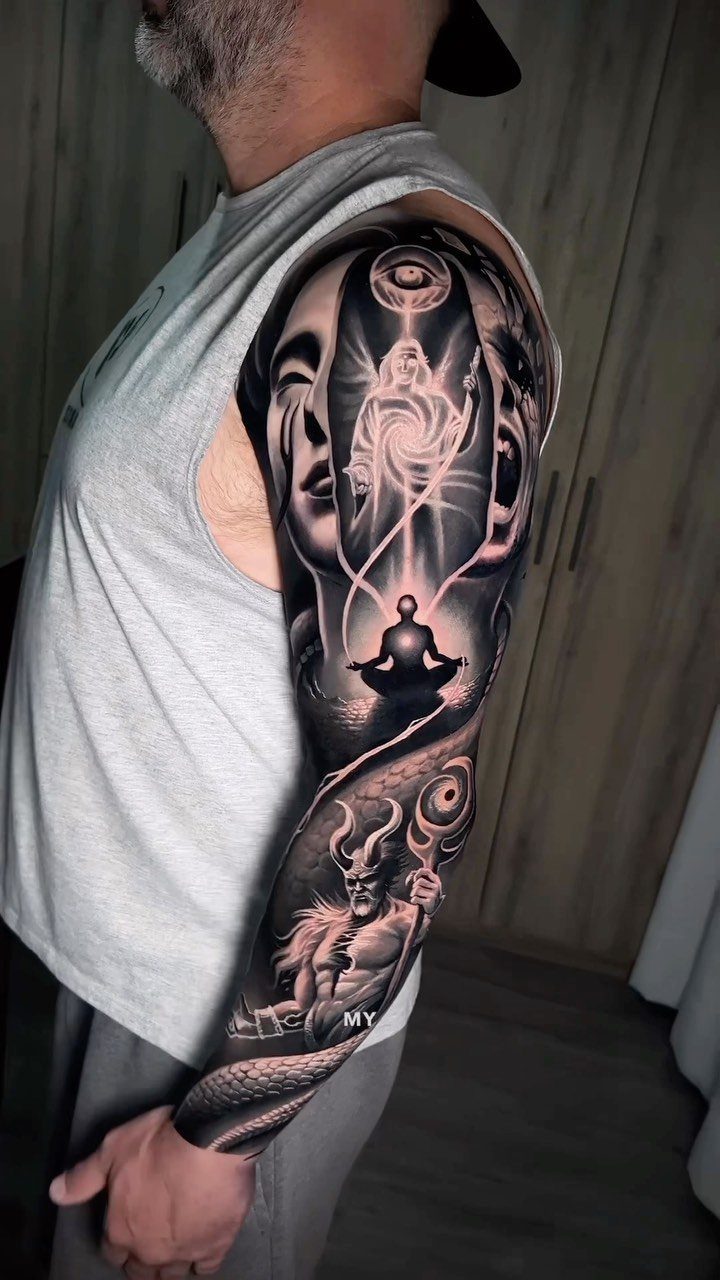
Abstract treatment lets you carry the theme without explaining it to everyone who sees your arm.
A wispy, glowing line-art style reads closer to energy or spirit than figure, which suits anyone who wants the idea of duality without the literal angel-with-sword imagery.
A full sleeve of this type needs the black background to make the white glow; without that negative space, the ethereal quality dissolves into grey confusion.
A meditating silhouette can anchor the design so the abstract figures do not float without context.
I would ask the artist about their experience with white ink over black; not every shop mixes the pigment density right, and a second pass is common.
The glowing effect also means this piece changes under different lighting more than traditional work, which some readers will love and others will find unpredictable.

Innovative Skin-Sync Technology: We don't just sit on the skin; we interact with it. By reacting organically with naturally occurring proteins in your skin's outermost layer (stratum corneum), our plant-based formula magically transforms from a transparent guide into a rich, ultra-realistic navy-black. It looks exactly like a healed, permanent tattoo—without the needles or depth.

PROTECTS YOUR NEEDLES: Unlike hard plastic caps that can blunt your needle tips upon contact, our caps are made of food-grade soft silicone. This elasticity acts as a cushion, ensuring your needles stay sharp throughout the entire session, perfect for delicate lining and shading

PROTECTS YOUR NEEDLES: Unlike hard plastic caps that can blunt your needle tips upon contact, our caps are made of food-grade soft silicone. This elasticity acts as a cushion, ensuring your needles stay sharp throughout the entire session, perfect for delicate lining and shading
4. Fallen Angel Tattoo
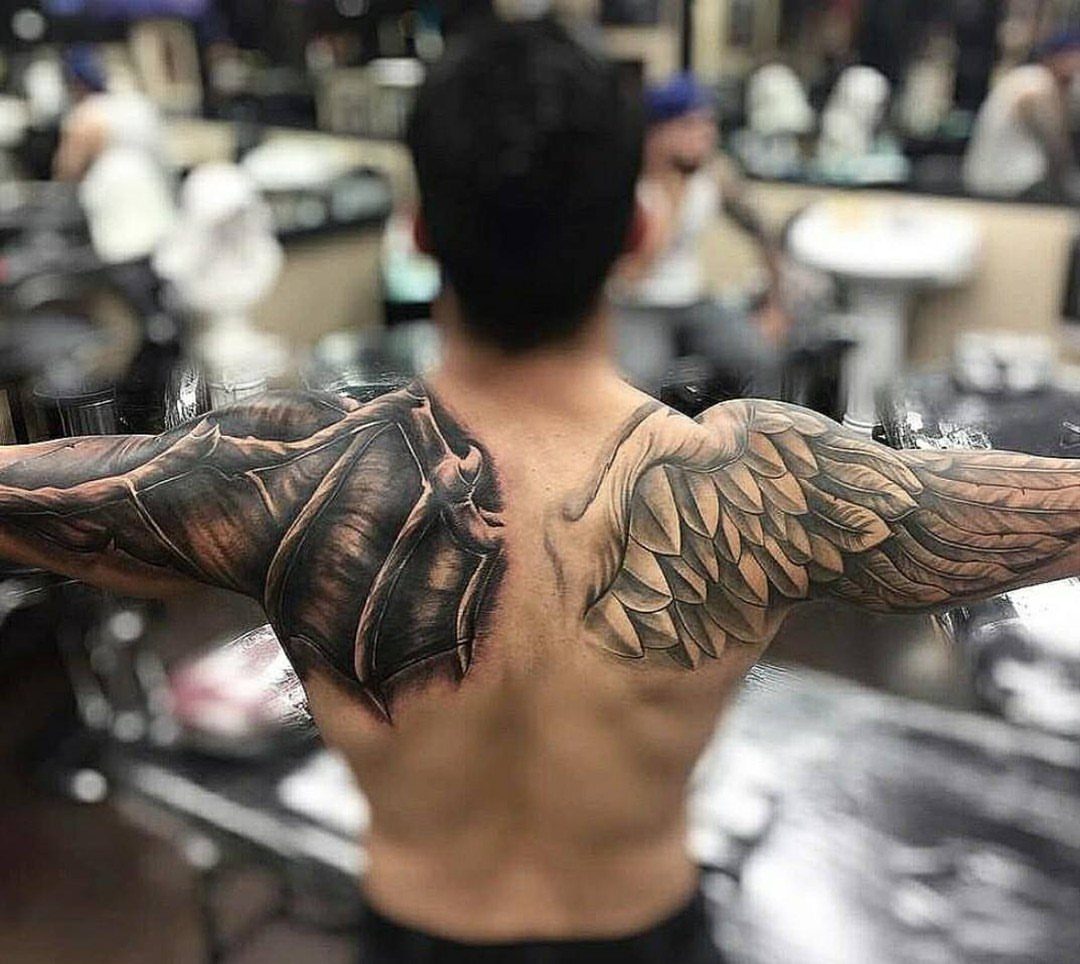
The dark bat wing on the left and the feathered angel wing on the right across the back and arms turns the fallen angel concept into a pairing rather than a battle.
Black and grey ink carries the melancholy better than color would; the water line gives the artist a natural place to shift from detailed wing feathers to softer, darker shapes.
Back placement works because a horizontal water line follows the natural break between shoulder blades, and outstretched arms let the wings extend onto the upper arms for a larger composition.
I would check how the design reads with arms at your sides, since most of life is not spent stretching for display.
The darker theme here draws readers who feel the fallen angel story personally rather than as mythology.
That connection lasts longer than trend appeal, but it also means living with a piece that asks questions you may not want to answer in every summer shirt.

UV & BLACKLIGHT-REACTIVE COLORS – The 8 fluorescent shades appear bright in daylight and fluoresce under compatible UV or blacklight. They do not glow in complete darkness without a UV or blacklight source.

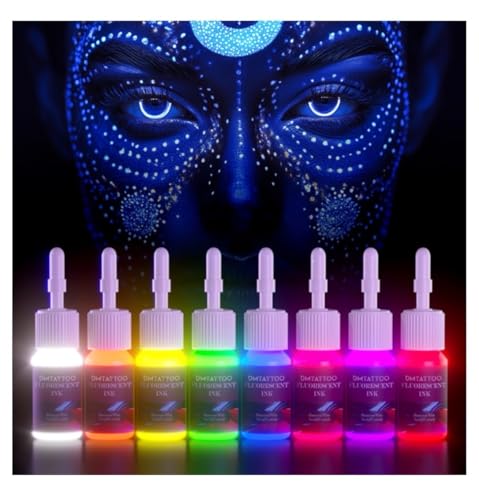
PROFESSIONAL QUALITY: Each bottle of permanent tattoo ink in this colorful pack of tattoo accessories is made of high pigment content that will safely dye and tint your skin pigment the way you want. The ink will only last if the tattoo is done correctly with a needle that properly and safely penetrates the dermis layer of the skin.
5. Split Figure Tattoo
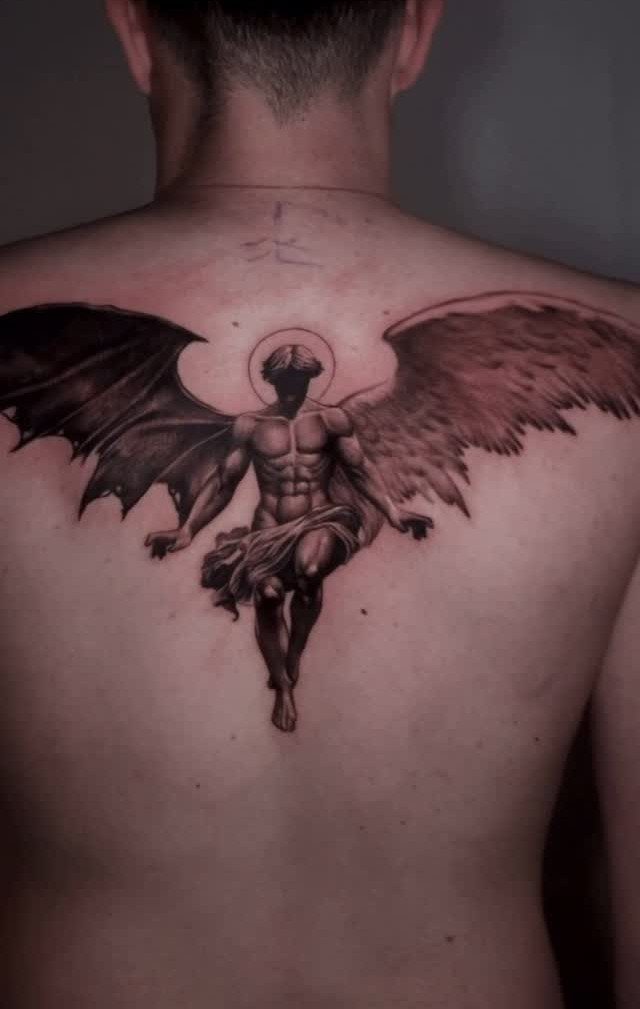
A single figure split down the middle is the most direct way to wear duality.
One feathered wing and halo against one dark, textured wing with no halo means the design must resolve at the center line or the figure looks like two separate tattoos colliding.
A sketch style keeps the edges soft enough that the merge feels intentional rather than failed realism.
Back placement gives the vertical split a natural spine to follow, which centers the composition even when the figure itself is asymmetrical.
I would ask the artist to design with the client’s specific back width in mind; a narrow split on a broad back loses impact, and too wide a figure on a narrow frame wraps awkwardly onto the sides.
The halo reads as an afterthought in some versions of this design.
I prefer it integrated into the hair or held as a separate element rather than floating, which can look like a ring toss mistake on an otherwise solid piece.

Package Contains Halloween tattoos stencils total 3 Sheets. Self-adhesive Henna stencils with various patterns. Only has tattoo template, no tattoo ink

183PCS Different Styles Tattoos Stencil: Our temporary tattoo stencils forkids comes with 183 temporary tattoo stencils painting set design such as flowers, cats, hearts, skulls, dinosaurs, fruits, deer, scorpions, Hannah, unicorns, whales, cars, rainbows, telescopes, ships, too fast, astronauts, pirates, letters, stars and more Style in 12 sheets A5 size. Perfect for festivals, parties, or daily fashion.

Clean, Flawless Transfers: Your artwork will look so clean once transferred to the skin with the Stencil Stuff gel! Gentle on the skin, Stencil Stuff transfer solution helps you achieve clear and sharp tattoo stencil transfers every time!
6. Angel and Demon Portrait
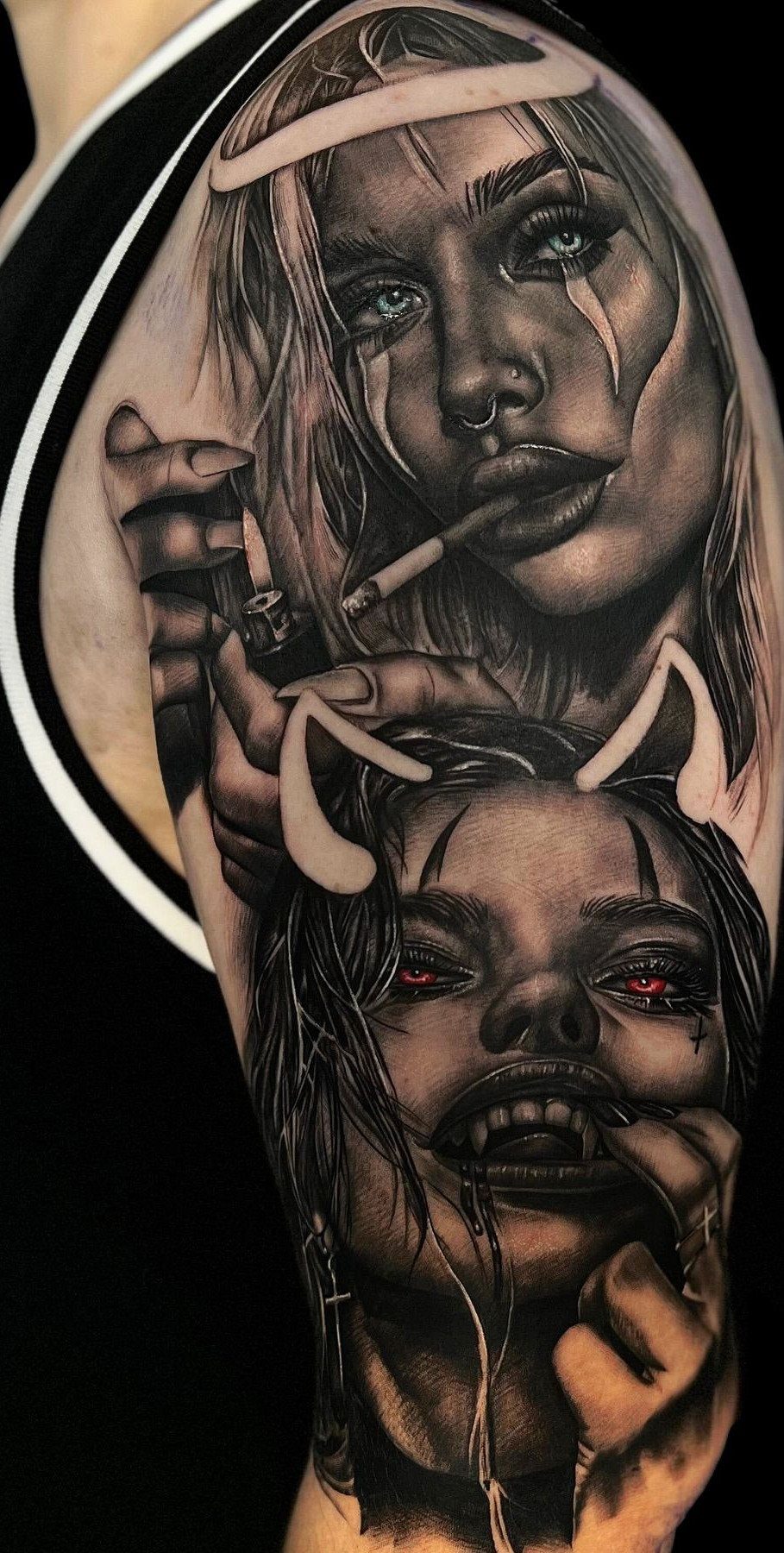
Portrait style demands an artist who specializes in faces; the angel and demon here are close enough to human that bad proportions read immediately as wrong rather than stylized.
Black and grey realism with swirling clouds behind gives the background something to do so the portraits do not look like cutouts pasted on skin.
Small details like a cigarette and fangs shift the tone from sacred to street. I would decide early whether you want reverence or irony; mixing them without intent makes the piece feel uncertain.
The clouds can be rendered heavy or light, and that choice determines whether the faces emerge from darkness or sit in open air.
Upper arm placement keeps the portraits at a scale where the features remain readable; moving this to a forearm or calf compresses the detail and loses the subtle expression work that makes portraiture worth the investment.

Variety Pattern Selection: This set of body face paint stencils contains 192 pcs Halloween theme patterns in 12 sheets. Includes witches, skeletons, black cat, pumpkin, ghost, Mulled Wine, broom, vampires, jack-o-lanterns and the more allow children to give full play to their imagination and fill in patterns freely

1.100% new brand and high quality. Color stability, pure color, durable and safe,with a formula containing a high concentration of pigment, long duration, make your tattoos have a great texture.

MADE IN THE USA — Black Magic Stencil Primer is manufactured in the United States by a professional tattoo supply brand with over 30 years in the industry.
7. Split Arm Angel and Demon
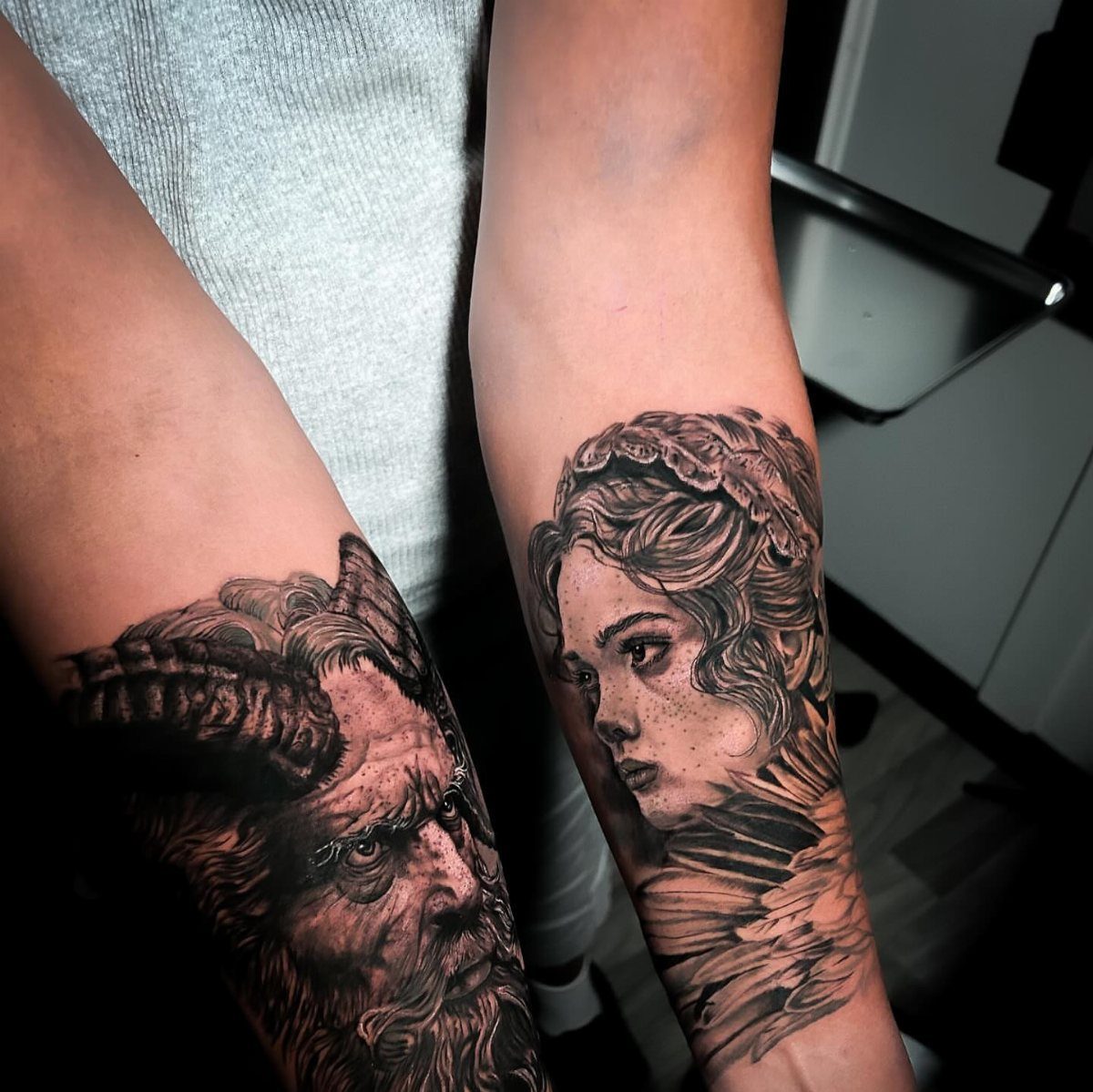
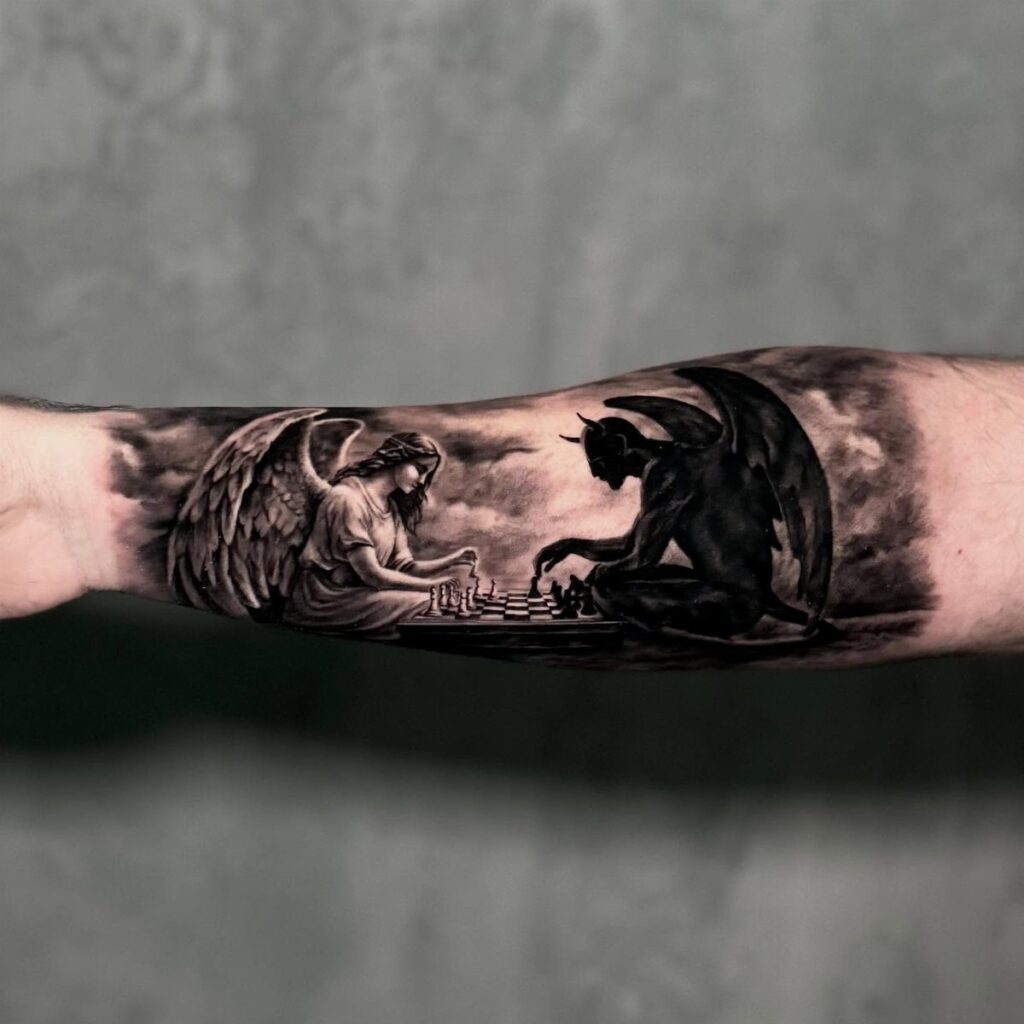
Matching inner forearms turn the wearer into their own diptych. The angel sits on one arm, the demon on the other, and the reader controls when either half is visible by how they turn their wrists.
Black and grey realism keeps both figures readable at the distance where forearms are usually seen.
I would mirror the lighting direction so the shadows fall consistently whether the arms are together or apart; crossed arms then read as one scene, separated arms as two characters in conversation.
The inner forearm hurts more than the outer, and 2 sessions means healing both sides at once or spacing them weeks apart. Plan shirt sleeves around the aftercare if your work demands long sleeves.
Waterproof Tattoos: These temporary tattoos are waterproof and can be used for parties, events, or just for fun.

Design Variety: Collection includes multiple unique angel and demon themed temporary tattoo designs featuring detailed gothic and celestial artwork

【Your Story Continues: The Power of a Semicolon】Semicolon tattoo designs are a symbol of silent fight. This small semi-permanent tattoos set is a quiet commitment to continue your story. Each sheet features delicate symbols of resilience: angel and devil wings paired with semicolon hearts, ECG lines, and celestial motifs, all rendered in fine minimalist lines. Created for anyone navigating depression, anxiety, loss, or simply seeking a token of inner strength, these tattoos are a wearable whisper of hope and a statement that your story isn’t over.
8. Symmetrical Chest Tattoos
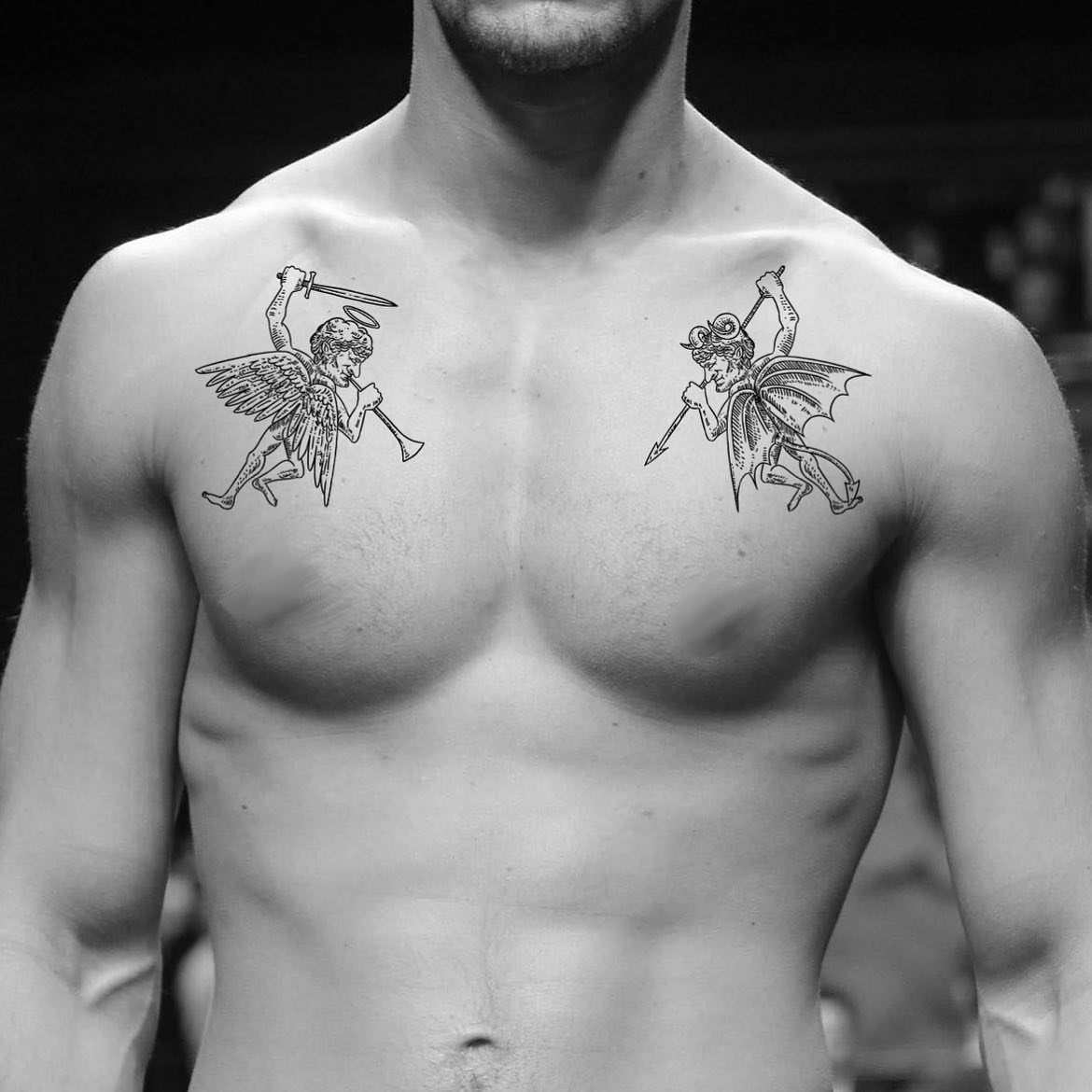
Small fine-line work on the chest stays hidden under most shirts and emerges deliberately.
An angel on the left, demon on the right, each with wings extending toward the sternum, creates a composition that pulls the eye to center without demanding it.
Fine line needs a light hand and a steady one; the chest moves with breath, so the artist must stretch the skin and work fast in the sharpest detail zones.
I would ask to see healed fine-line work from their portfolio, not fresh photos, since this style ages faster than bold traditional.
The sword and horn details visible in the angel figure shift the tone toward active conflict rather than passive duality.
That choice reads as more masculine in most social readings, which suits some readers and narrows others. A halo and tail without weapons softens the same layout if that fits better.
Healing on the chest means sleeping on your back for a stretch, which some people manage easily and others find impossible. The alternative is accepting some ink loss on the side you roll to, with touch-up after healing.

Temporary – with LaDot you don't need to make a decision for life. The waterproof ink lasts up to 3 days on the skin depending on skin type

PERFECT PRACTICE PARTNER: Ten precision 0.5 mm ballpoint pen cartridges designed for tattoo beginners to practice linework, shading, and hand control on paper or practice skin using their tattoo machine.

FITS YOUR PRACTICE PEN – No adapters needed. Compatible with any precision training pen that accepts snap-in cartridges with 3.5 mm stroke length or less. Pen not included.
Design Styles for Tattoos
Fine-line has entered this territory more recently, though the delicacy works against the theme’s natural weight. I would reserve it for smaller pieces or secondary details, not the main figures, unless the design deliberately leans ethereal rather than confrontational.
Abstract treatment asks the most of the viewer and the artist both. Ask whether your artist builds the black first or works around the light elements, since the sequence changes how the healed piece reads.

MADE IN THE USA SINCE 1990: For over 30 years Dynamic Color has produced professional tattoo ink in the United States, an established American brand artists built their work on long before most imported labels existed.

Vibrant 7-Color Tattoo Glow Set:Feature: 7 striking fluorescent tattoo shadows that shine brightly under ultraviolet light. Ideal for professional tattoo art, body design, and nail art, offering bold and long-lasting brightness

MADE IN THE USA SINCE 1990: For over 30 years Dynamic Color has produced professional tattoo ink in the United States, an established American brand artists built their work on long before most imported labels existed.
Symbolism of Angel and Demon Tattoos
The duality reading is almost unavoidable with this pairing, which means the wearer chooses whether to lean into it or complicate it.
A descending angel over a fallen demon suggests hierarchy and judgment; matching portraits on forearms suggest conversation or coexistence without resolution.
The mirror-image fallen angel turns the conflict inward, which reads differently to someone who knows the wearer than to a stranger at a pool.
Religious iconography carries its own freight.
Halos, swords, and crosses activate specific associations for viewers with church backgrounds, even when the wearer intends something personal or secular. I would strip those elements if the spiritual language is not yours to claim.
An angel and demon tattoo will often make people assume you are wrestling with inner conflict or duality; that is not a reason to avoid it, but it is worth deciding in advance whether you want to explain or deflect those assumptions.

171 PCS Different Styles Halloween Tattoos Stencil: Our hallloween temporary tattoo stencils sheet comes with 171 different hallloween design such as pumpkin lamps, black cats, skulls, wizards, witch hats, ghoost, witch, Spider Web, Skeleton more halloween Style in 12 sheets A5 size. Perfect for couple halloween party and decoration.

【 575+ Fun Assorted Tattoo Stencils 】-The ChurlChurl tattoo stencils collection includes 575 high quality stencils with multiple themes. enjoy cute trendy tattoo stencil designs like butterflies, words, flowers, symbols, totem, Egypt style patterns and more.

【All-in-One Starter Kit】 Features 80 stencils, including 3 Pairs of Hand Designs + 1 Pair of Large Arm Stencils for bold art. Includes 4 cones (2 Black, 1 Brown, 1 Dark Red), White Sketch Pen & Full Prep Kit. All in 1 box—perfect for beginners & activities with kids!
Placement Ideas for Tattoos
Sleeve placement lets the narrative unfold as the arm moves, which matters for action compositions like the descending angel.
The full circumference also means the design must work from every angle; a strong front view with a weak back-of-arm filler reads incomplete in summer shirts.
Back pieces suit horizontal compositions and the reflection motif specifically. The gap between your shoulder blades already reads like a horizon, so a sky split between light and dark sits there without fighting the bone.
I would verify the design’s balance with arms relaxed, since reference photos tend toward posed extension.
Chest work stays intimate by default, visible only when chosen.
The sternum proximity means pain sits higher here than on the upper arms, and the movement of breathing complicates fine-line healing. Two small pieces rather than one large composition reduce session length, which matters when the position already tests endurance.
Frequently Asked Questions
What do angel and demon tattoos symbolize?
They carry the idea of duality almost by default, since pairing an angel with a demon sets up a contrast before the design even settles on its meaning.
A descending angel pinning a demon reads as divine order imposed, while the same 2 figures posed as matching forearm portraits frame them as equals in dialogue, not enemies.
The mirror-image fallen angel folds the fight inside the same skin, which hits harder on someone who watched you fall than on a stranger glancing over in a locker room.
What is a mix of demon and angel?
The halved body is the plainest take: one vertical slice with soft feather and gold ring on the left, leathery bat wing and bare head on the right.
The sketch style keeps the merge from looking like 2 separate tattoos that collided.
I would have the artist scale to your actual back width; a skinny stripe down a wide back disappears, and a broad figure on a narrow torso bleeds onto the ribs in ways that distort the face.
Is a fallen angel tattoo satanic?
Not by default. The waterline version, an angel at the surface and a demon in the reflection, makes it about self-recognition rather than warfare, and black and grey shading keeps the mood mournful instead of preachy.
The grim tone pulls in people who wear the story as autobiography, not allegory, but that is a private claim, not a membership card.
I would still brace for summer conversations, since the pictures trigger Sunday school memory in viewers no matter how far the wearer stands from any church.