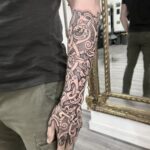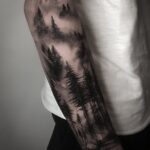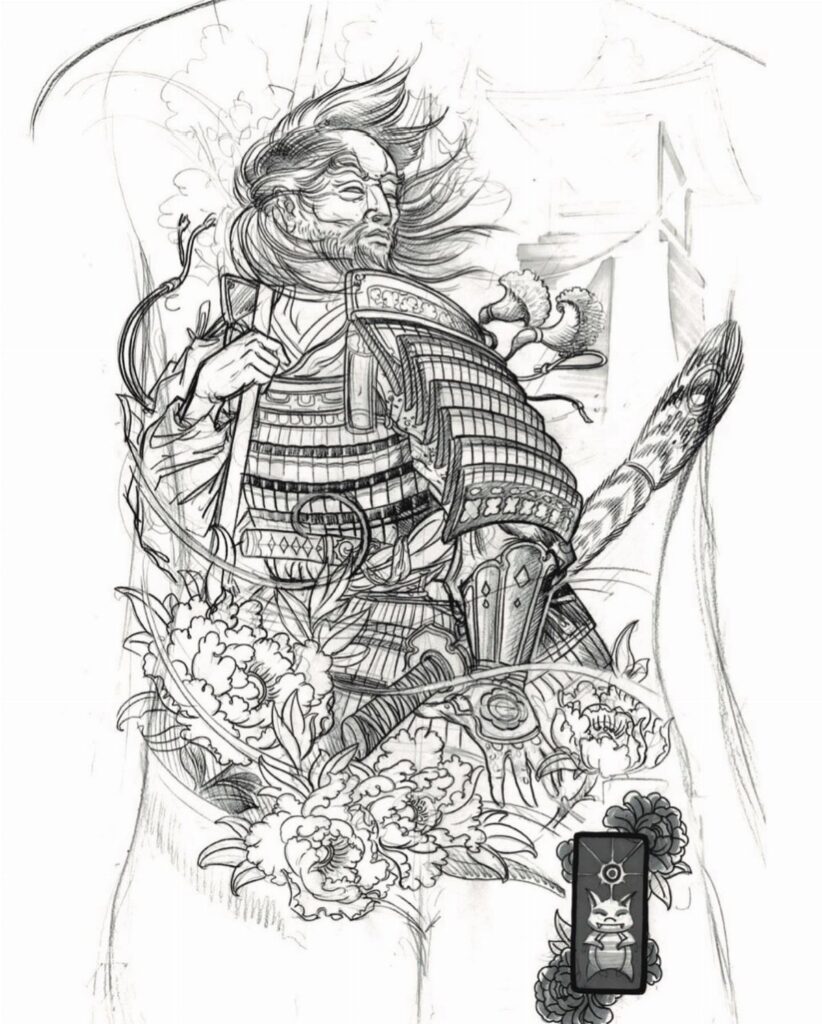
These tattoo style drawings sketches run from a single continuous line to full traditional flash, and what separates them is where you want the piece to live once it settles into your skin.
I tape my paper around a water bottle or my own forearm before committing, because a sketch drawn flat will crack at the elbow once the body moves.
[link-whisper-related-posts]1. Fine Line Drawings of Celestial Bodies
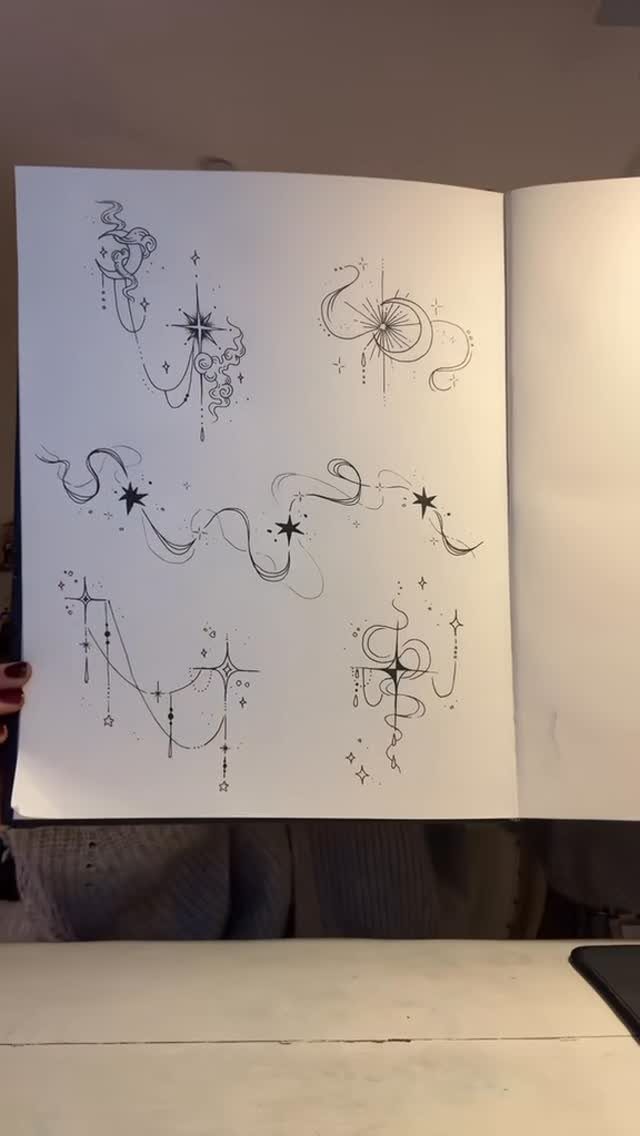
Fine line celestial work keeps the needle moving in one continuous motion, building moons and star clusters from hair-thin strokes that sit flat against the skin.
The stippling you see in some flash sheets adds texture without weight, which matters when you want a piece that reads clearly whether it sits small on a wrist or large across a back.
I would ask an artist to leave generous skin between elements. Those gaps close up over years as the lines soften, and a crowded sky turns muddy faster than most subjects.

Poseidon cartridge adopt a one-time joint design hygienic standard The material is stainless steel and easy to color,and has better ink flow

Package: 50pcs mixed tattoo cartridge needles, includes 10pcs each of 1203RL, 1205RL, 1207RL, 1209RL, 1211RL.

Dragonhawk Tattoo Needles: High-quality tattoo needles, manufactured under the trusted Dragonhawk brand, are perfect for all-purpose work. With a polished, long taper design, these needles ensure reliable performance and excellent control.
2. Abstract Tattoo Patterns
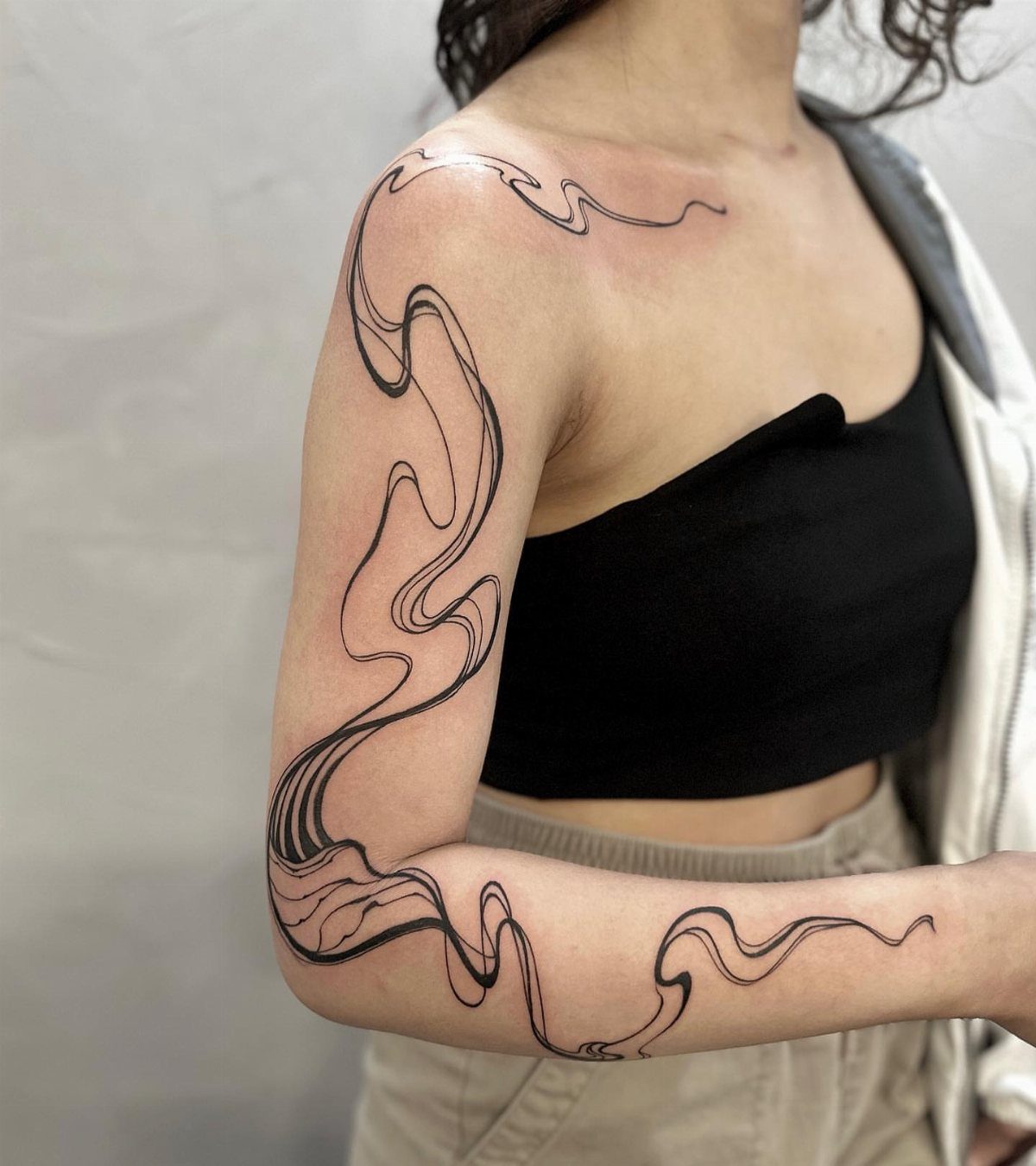
Abstract patterns live or die on flow. Sharp spikes pull the eye along the limb’s length, while interlocking geometry can lock a design to one spot like a sticker.
Curved shapes follow muscle and bone better than straight lines do, which is worth remembering for anything that wraps.
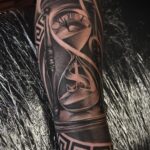
A full-arm piece needs either a single continuous motion or deliberate breaks where the body bends. I have seen stiff geometric work crack visually at the elbow because the artist drew it flat.

24PCS Unique Henna Stencil Pack – This complete henna tattoo kit accessory set includes 24 sheets of reusable mehndi stencils (6.89" x 3.34"). Featuring exclusive designs like long arm bands, moon motifs, vine flowers, and large floral templates, it is ideal for creating DIY temporary skin art on wrists, arms, back, and full body.

6PCS Abstract Face Stencils: You will receive 6PCS creative hollow out characters theme template with 1PC plastic paint brush. The template features 6 styles of abstract human face patterns, the unique tribal designs will surely inspire you. Our stencil are suitable for decorating for easy DIY home decoration, add a splash of color to your home.
3. Minimalist Animal Tattoos
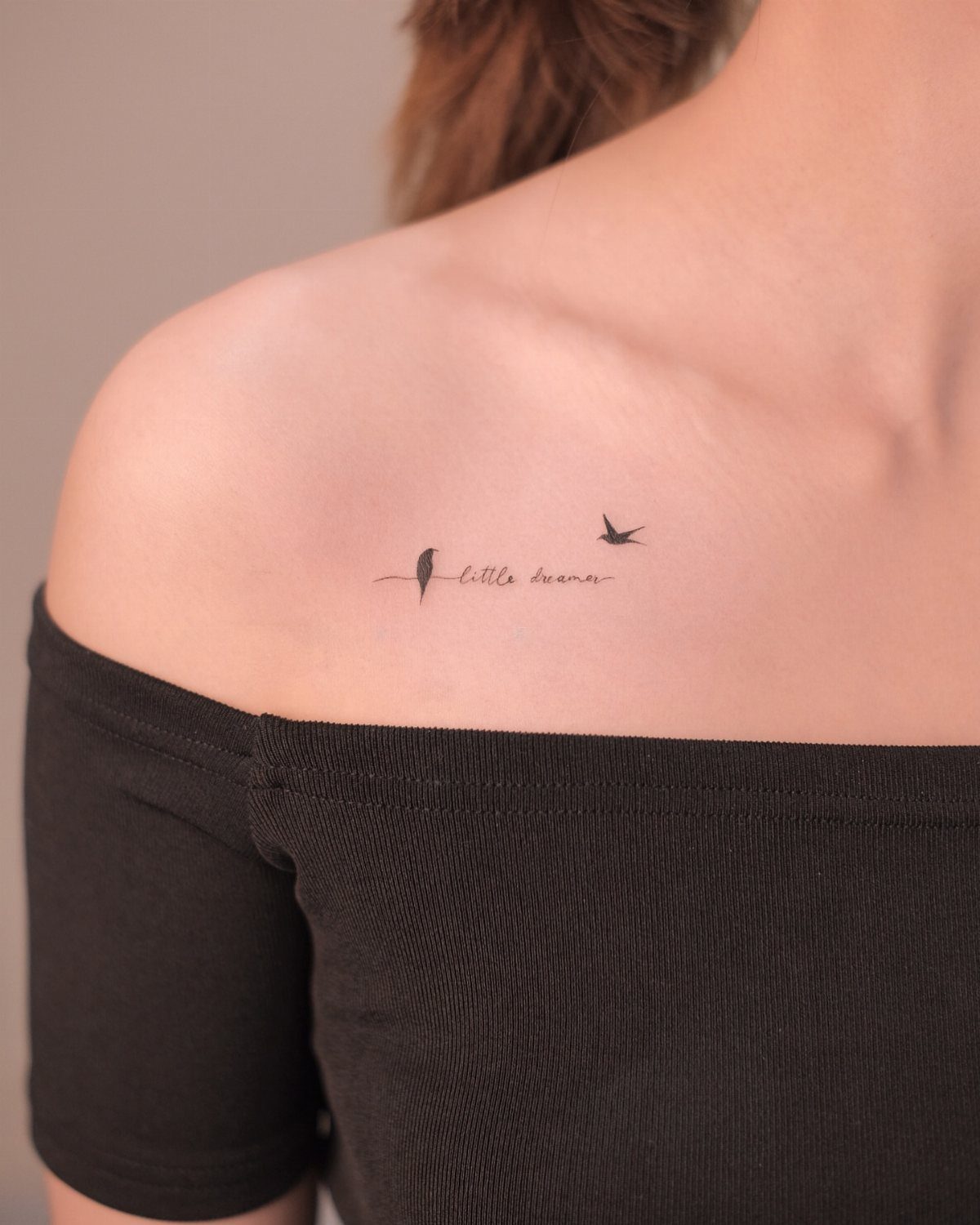
Single-line animal tattoos ask more of the artist than they look like they should.
A turtle or bird rendered in one unbroken stroke has no room to hide a wobble; the confidence shows in the sweep of shell curve or wing angle.
Small keeps the line from collapsing under its own length; a minimalist animal tattoo works best when it has room to breathe without stretching.
These work best where the skin stays relatively still. Below the collarbone moves with breath; the shoulder cap holds steadier for birds in flight.

Warm Tips: The tattoo transfer paper need to work with transfer medias.You will need to purchase the stencil ointment separately. Apply the design made on the master paper. Please pay attention to press the back side of the pattern to the skin for at least 3 seconds

Saving Paper & Cut Down Consumable Costs: Featured with a compact 2.2 x 3.1 inch printing area, which equals 1/8 of a standard A4 tattoo transfer paper. Avoid unnecessary paper waste when printing small tattoo patterns, greatly improve paper utilization and effectively reduce your daily operating expenses

Precision Transfers & Long Lasting: Tattoo stencil paper delivers vibrant, high-definition transfers even for intricate designs. Creates crisp, dark lines that transfer cleanly to skin (clearly on different skin tones) which are easy to follow during tattooing. The carbon layer made from high-quality dyes ensures sharp outlines without smudging or fading and maintains crisp lines visibility throughout long tattoo sessions, so you can focus on creating art instead of re-drawing lines
4. Floral Tattoo Designs
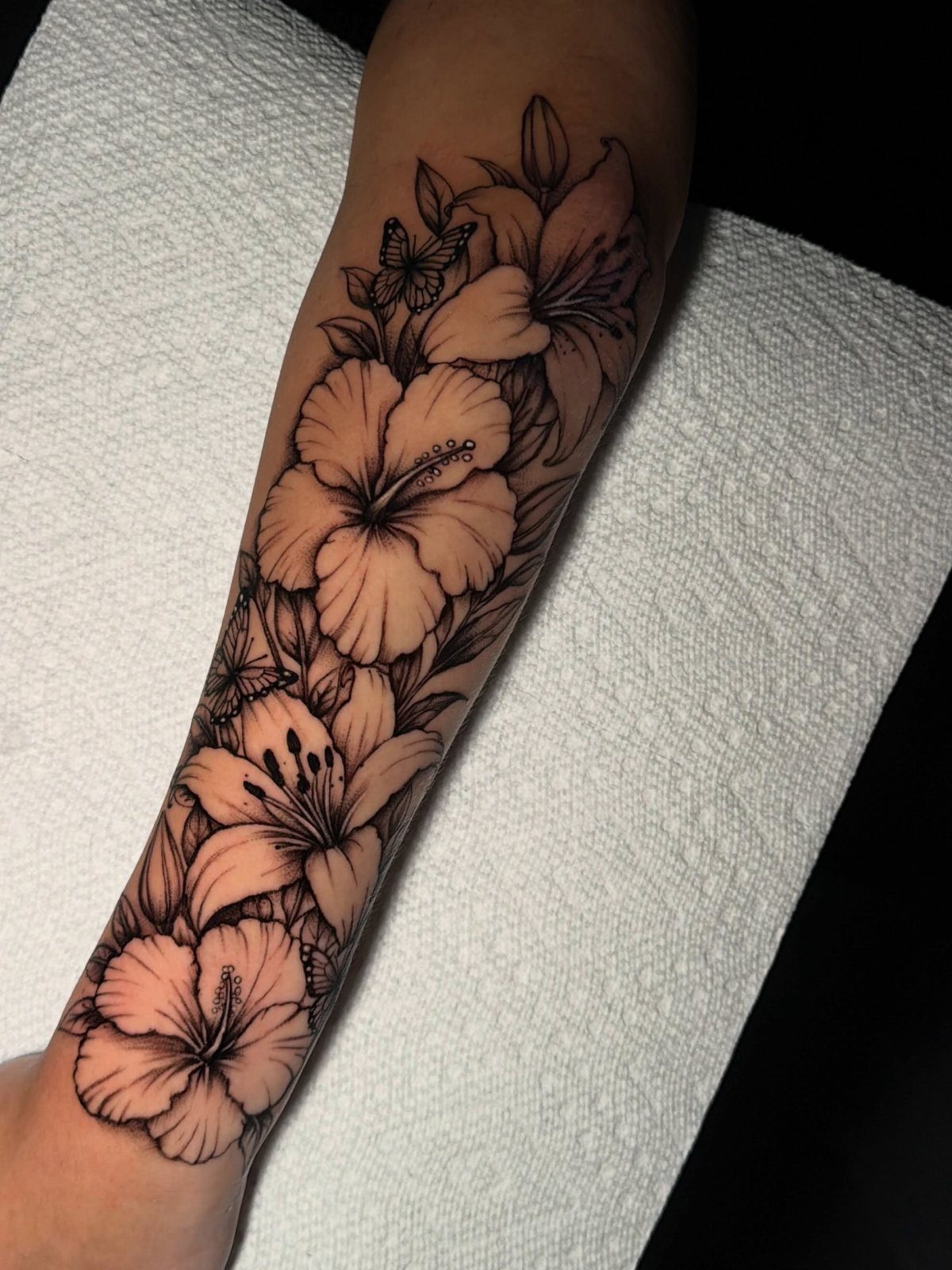
Floral design gets interesting when it stops being only flowers.
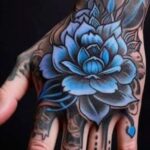
Cracked marble and skull splits use the bloom as a reveal, not a subject, which gives the tattoo a second read once the first impression settles. Roses paired with daggers or lilies breaking through bone carry the same double weight.
Black and grey keeps the focus on shape rather than color drama. If you are working toward a sleeve or larger piece, this palette leaves room to add saturation later without fighting existing ink.

[AUTHENTIC INDIAN & ARABIAN DESIGNS]: Features 6 pairs (12 sheets total) of premium henna stencils with matching left-right hand floral patterns specifically designed for hand back applications, blending traditional Indian mehndi and Arabian arabesque styles.

142+ Nature-Inspired Tattoos Stencil Designs in 12 Sheets: This temporay tattoo template set features over 142 unique, delicate designs centered on enchanting botanical and natural elements. Discover a vast collection of flowers (daisies, roses, sunflowers, lavender), intricate leaves, winding stems, complete bouquets, elegant wreaths, crowns, bees, and butterflies. Perfect for creating floral temporary tattoos, henna-inspired patterns, and nature-themed body art.
5. Traditional Tattoo Designs
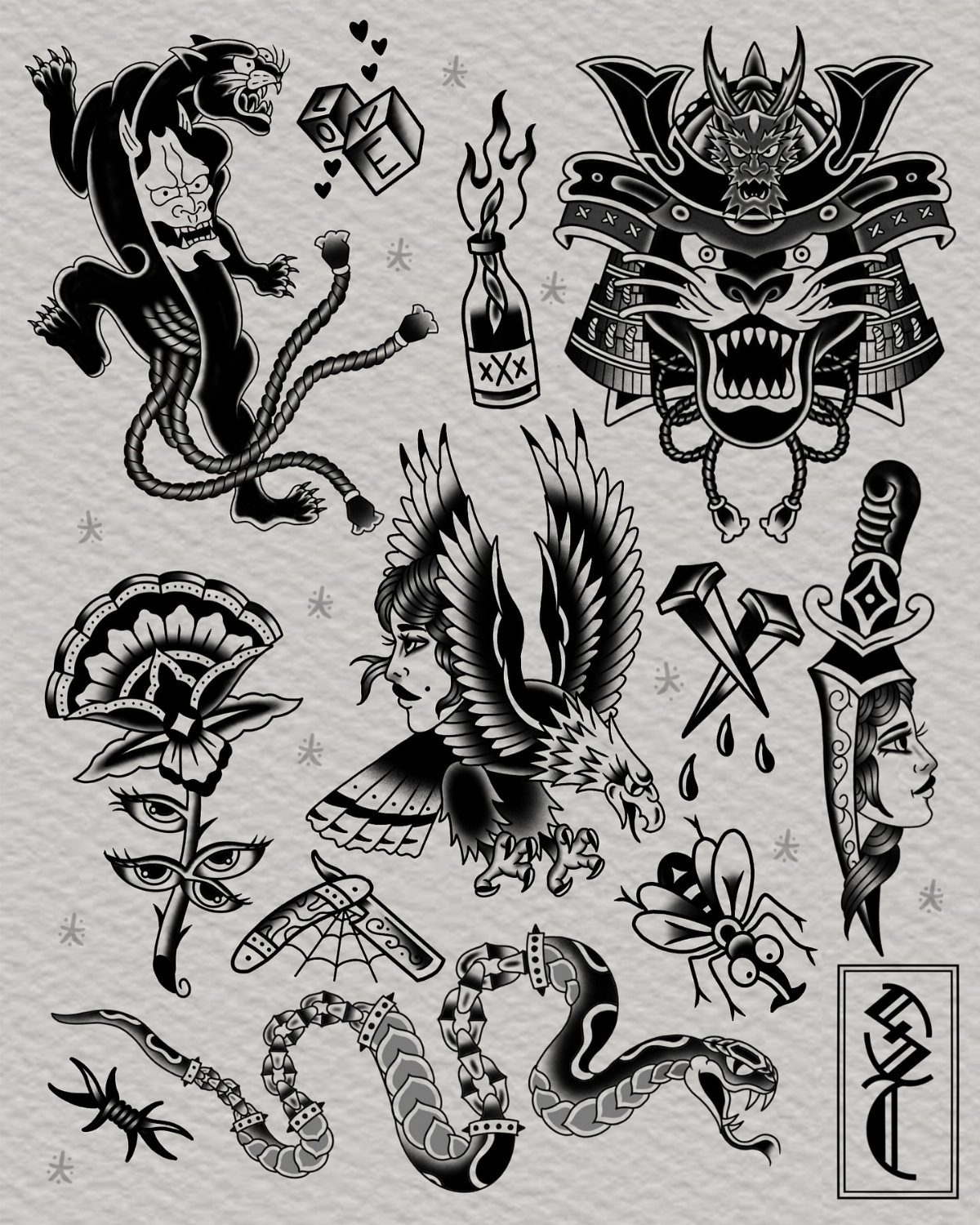
Traditional flash builds from a limited vocabulary: eagle, panther, snake, rose, skull, dagger, each drawn to read across a room and hold for decades.
The bold outlines and limited shading in classic sheets are not nostalgia; they are engineering for how ink ages in skin. A panther head with saturated black and clean edges still scans as a panther decades later.
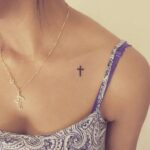
Religious iconography in this style carries specific meaning within tattoo culture that predates most current wearers. Worth researching if you are drawn to crosses or virgin imagery; the history is there whether you intend it or not.

Unisex and one size fits most.Unless you have really huge arms, these should fit comfortably because they are stretchable.
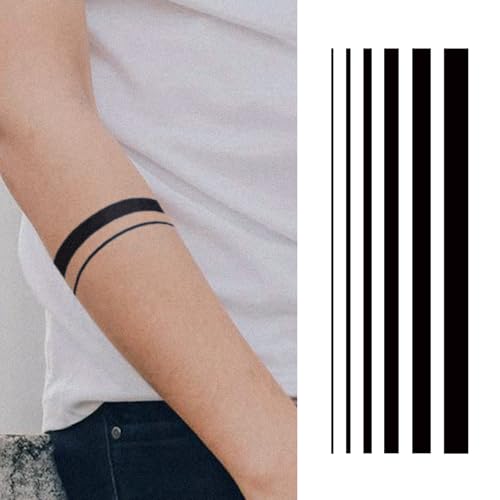
GEOMETRIC LINE & ARMBAND DESIGNS: Features a striking minimalist collection of continuous parallel lines engineered in varying stroke weights. This modern unisex set ranges from delicate hairline threads to bold solid blackout bands

Premium Quality 1.5mm Silicone Material – Crafted from premium 1.5mm thick silicone, this tattoo skin offers a true-to-life feel with excellent durability and a smooth surface for effortless needle movement during practice.
6. Line Art Tattoos
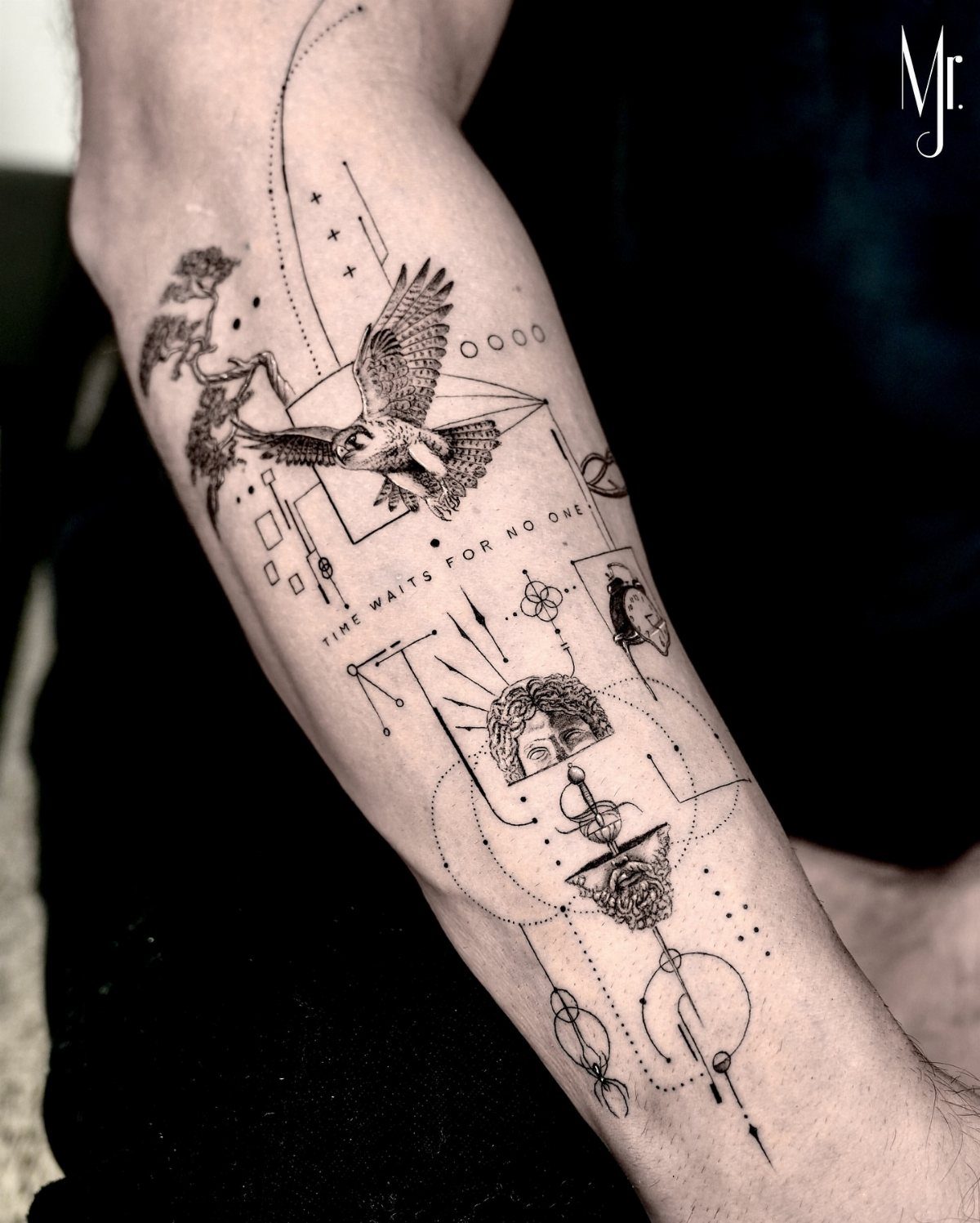
Line art tattoos separate into 2 camps: the geometric and the illustrative.
Illustrative work lets line weight carry shading and depth, while interlocking symbols rely on even stroke width throughout. Geometric pieces age more predictably; illustrative line work softens into something closer to charcoal wash over time.
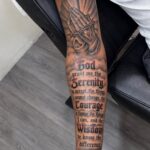
Text in line art needs spacing that looks loose on day one. Letters blur together as the edges spread, and what reads as elegant tracking fresh will tighten toward illegibility.

1203RL FOR DEFINED FINE LINES – #12 0.35mm three-needle Round Liner configuration delivers a defined fine-line setup for lettering, detailed outlines and small tattoo designs.

【PROFESSIONAL TATTOO NEEDLES CARTRIDGES FOR EVERY ARTIST】Premium tattoo needles designed for artists who demand precision, stability, and consistent performance. These tattoo needle cartridges feature smooth ink flow and reliable needle movement, making them ideal for lining, shading, and detailed tattoo work. Compatible with most tattoo pen machines.
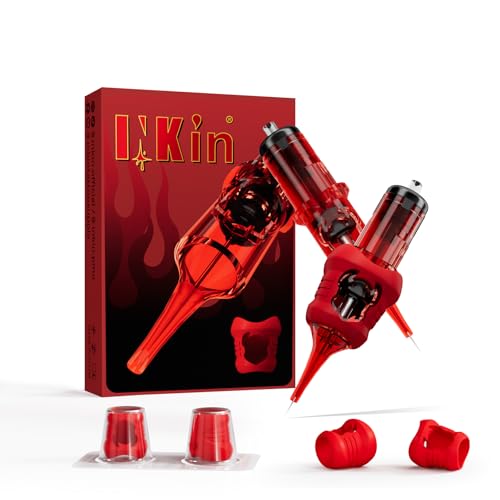
Upgraded Silicone Grip: INKin as one of the earliest brands focusing on tattoo finger ledge cartridges, upgraded design with high-grade TPE material, EL Diablo tattoo cartridges include 8 pcs optional grips, allowing tattoo artists to customize grip based on individual preferences, giving a comfortable, anti-slip grip reduces vibration and hand strain for long sessions.
Tattoo Sketching Techniques
Fine liners come in a range of widths, and the difference matters more than most people expect.
The finest tip deposits so little ink that a single pass can skip on skin with any texture; a mid-size gives the artist enough flow for consistent stippling without ballooning the dots.
I keep a range on my table and switch mid-piece rather than forcing one pen to do work it was not made for.
Placement planning starts on paper, not skin.
A sketch drawn flat on a desk will distort when the body flexes; I tape the paper around a cylindrical object, a water bottle or my own forearm, to see where the line breaks and where it holds.
The ribs compress the design with every breath, while the outer thigh stays stable enough for fine detail that would blur elsewhere.

Double Sided Tattoo Practice Skin: easy wipe, 2 sides designed fine line tattoo practice skins feature over 20 different stencil designs.

【Abstract Face Paterrn】You will receive a character-themed drawing template. The template features abstract human's face, contains 10 styles of geometric art face expressions, ideal for drawing tracing, make your life full of art and fun.

【 575+ Fun Assorted Tattoo Stencils 】-The ChurlChurl tattoo stencils collection includes 575 high quality stencils with multiple themes. enjoy cute trendy tattoo stencil designs like butterflies, words, flowers, symbols, totem, Egypt style patterns and more.
Choosing Tattoo Styles
Personal significance and aesthetic appeal pull in opposite directions more often than people admit.
A design tied to a specific memory may not suit the visual language of the style you are drawn to; a traditional panther carries no grief, and a memorial portrait will never read as clean flash.
Clients often sit with this tension for months.
The choice that holds is usually the one you can explain in plain words to a stranger. If the explanation falters, the tattoo probably will too, regardless of how skilled the artist or how current the style.

Precision Transfer Performance - It’s professional-grade tattoo stencil paper delivers vibrant, high-definition transfers even for intricate designs. The carbon layer ensures sharp outlines without smudging or fading, ensuring crisp lines that stay true to your original artwork.
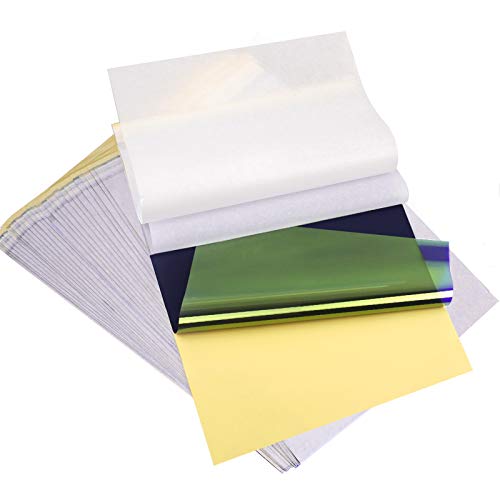
ADVANCED MATERIAL: Tattoo transfer paper is made with the high quality dyes and stencil paper. Transfer marks are very clear, clean and smooth. Tattoo transfer paper kit come with 35 sheets. Great for tattooing, trace and transfer images onto the body.<br>

Crystal Clear Transfer & Stable Stencil Effect : Our KVM transparent tattoo stencil film delivers sharp, clean printed lines. The pattern transfers perfectly onto skin, not easy to smudge or wipe off after application. It works great for intricate mandalas, skulls, portraits and line art.
Frequently Asked Questions
What is a tattoo sketch called?
Tattoo sketches go by a few names depending on where you are in the process.
A drawing the artist makes to develop the idea is usually called a concept or a design; once it is polished and ready to transfer, it becomes a stencil or flash if it is drawn for multiple use.
The term "flash" comes from the old shop walls where sheets hung for walk-in clients to pick from.
What tattoo style looks like drawings?
Line art and illustrative styles keep the hand-drawn quality most deliberately, letting line weight carry shading and depth the way a pencil sketch does.
Fine line work and stippled pieces also read as drawings on skin, especially celestial designs built from hair-thin strokes and dot texture.
The key difference from a paper sketch is that the artist has to predict how those delicate marks will soften and spread over years.